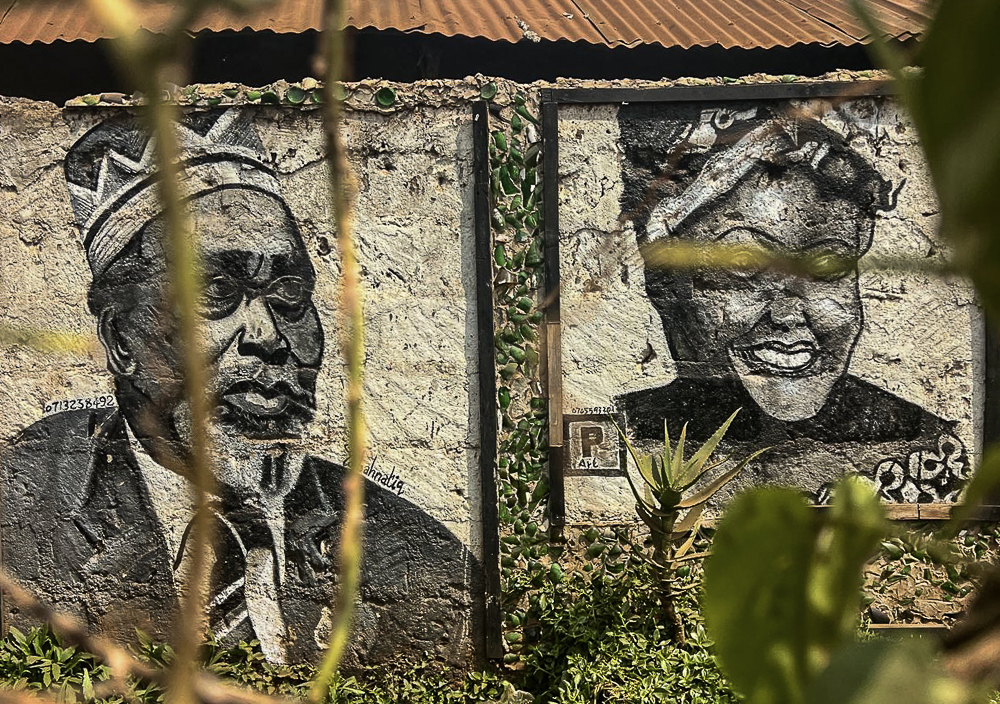
Introduction: Reparations and Visual Culture
This section of Kiberanet aims to explore visual culture in the local context, examining the critical role that art and aesthetics play in processes of reparations.
Traditional art forms have emerged to become resonant vehicles for reparations.
Visual culture – including art, images, films, exhibitions have emerged to become resonant vehicles for reparations.
In assembling this themed section of Visual Culture, we were also compelled by the important traditional, tribal and political works that artists do in sensing and seeing reparation.
TRADITIONAL HANDMADE ARTIFACTS
Music Fashion, Streetwear, and Identity
Community music shows are far more than auditory events; they are living galleries of local visual culture. From the grassroots stage design and DIY merchandise tables to the raw, expressive streetwear of the crowd, these shows act as temporary spaces where a community physically visualizes its identity, history, and solidarity.
KNOW ARTIST PURCHASE MERCHANDISE
Feature Artist - ...
Paint Artist.
This section explores artists and how to purchase authentic merchandise from them. This serves as our tangible, community-driven form of economic and cultural restitution.
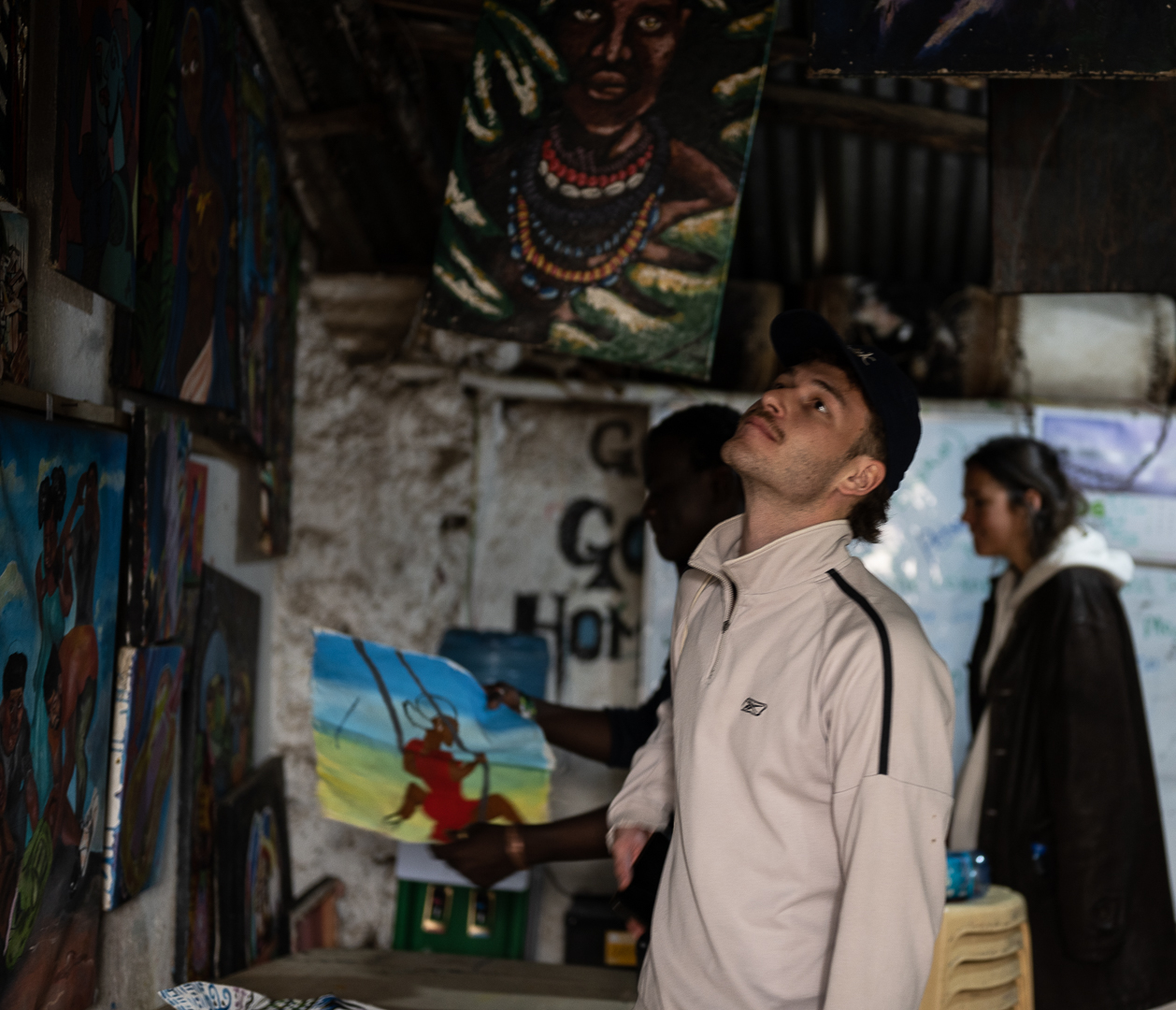
Architectural Student from Switzerland buying art inside Kibera Slums DURING A TOUR of Nairobi.
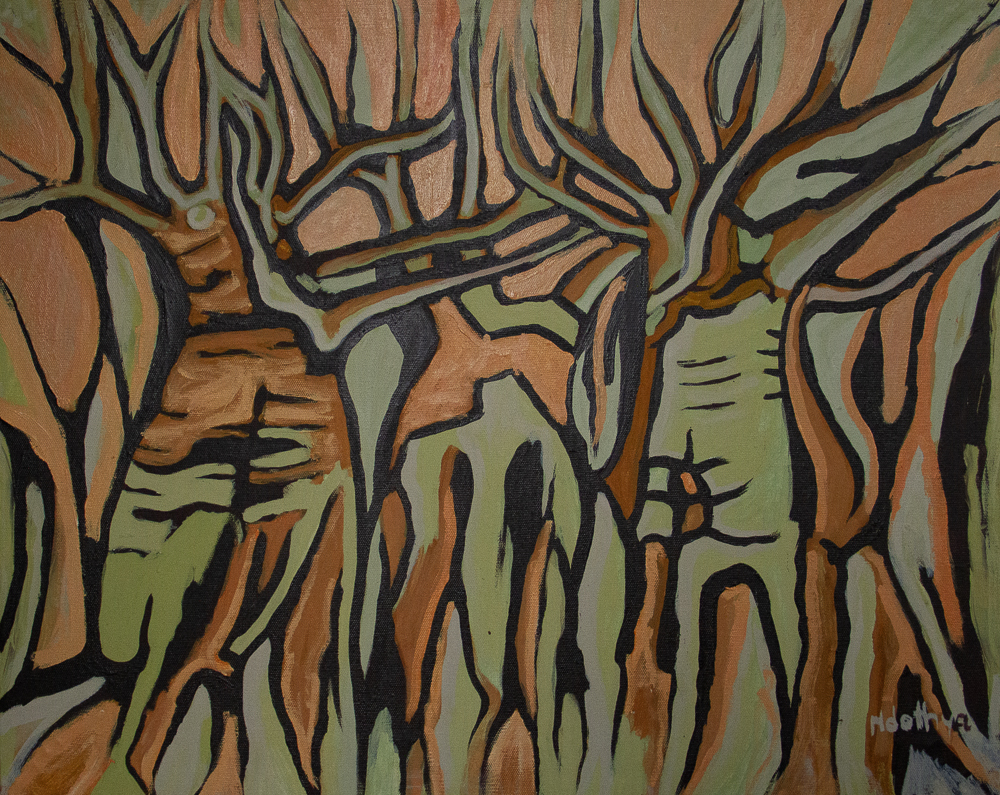
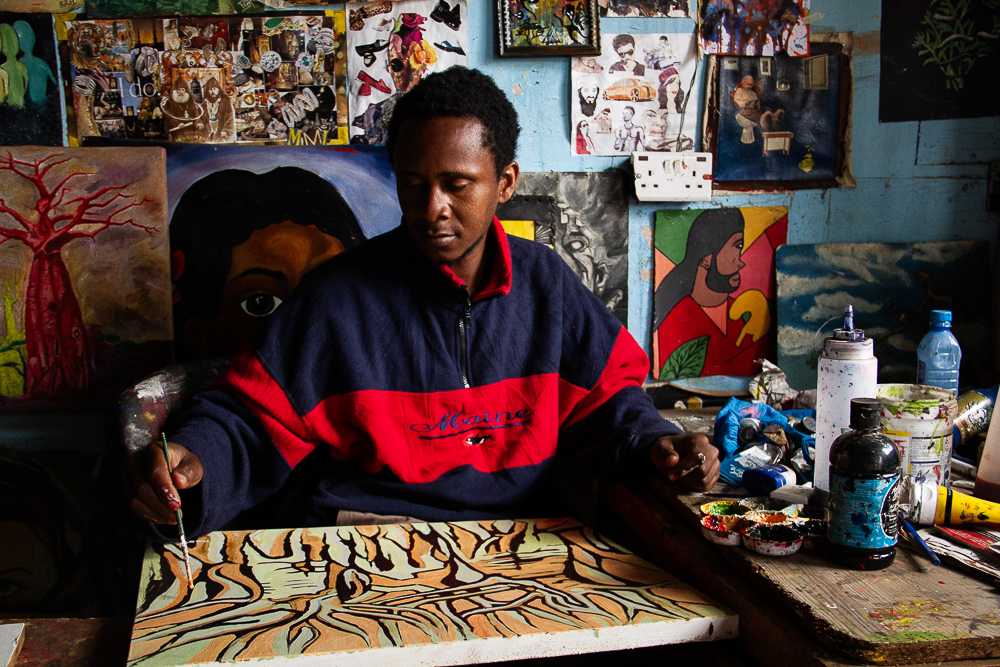
Artist
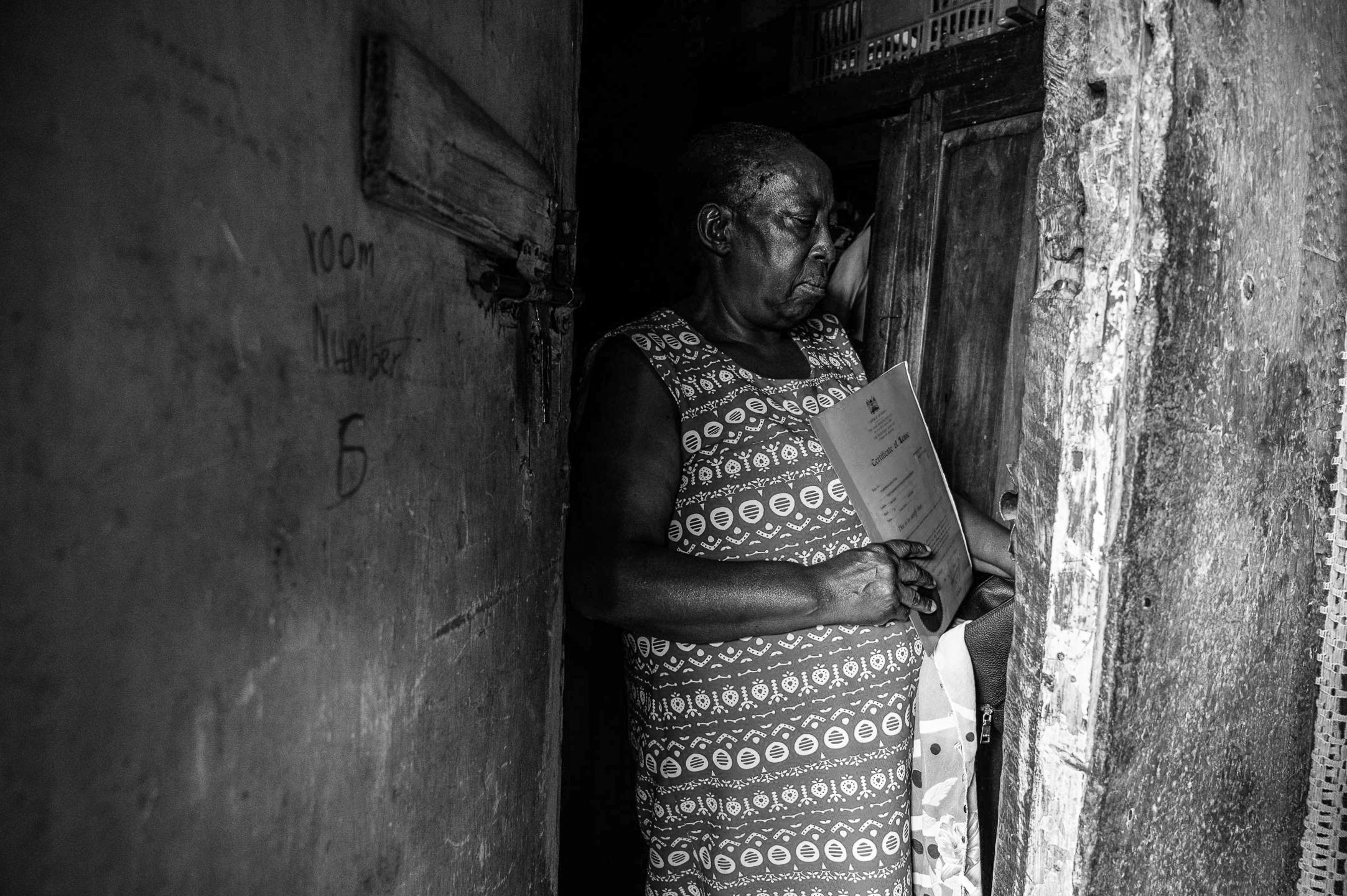
Physical Eviction vs. Documented Rights
Forced evictions are not merely structural changes to a city; they are direct violations of human dignity that fracture entire social fabrics. In this special visual feature, we trace the human cost of rapid urban development and systemic neglect. The following articles document the exhausting cycle of constant movement imposed upon vulnerable neighborhoods. By centering the visual narratives of those on the frontlines of displacement, we aim to transform passive observation into active solidarity.
As seen in cases like the Kariobangi Sewage Farmers Self Help Group in Nairobi, communities often hold physical title deeds (the visual proof of justice), yet they are still forcibly evicted for state or private projects.