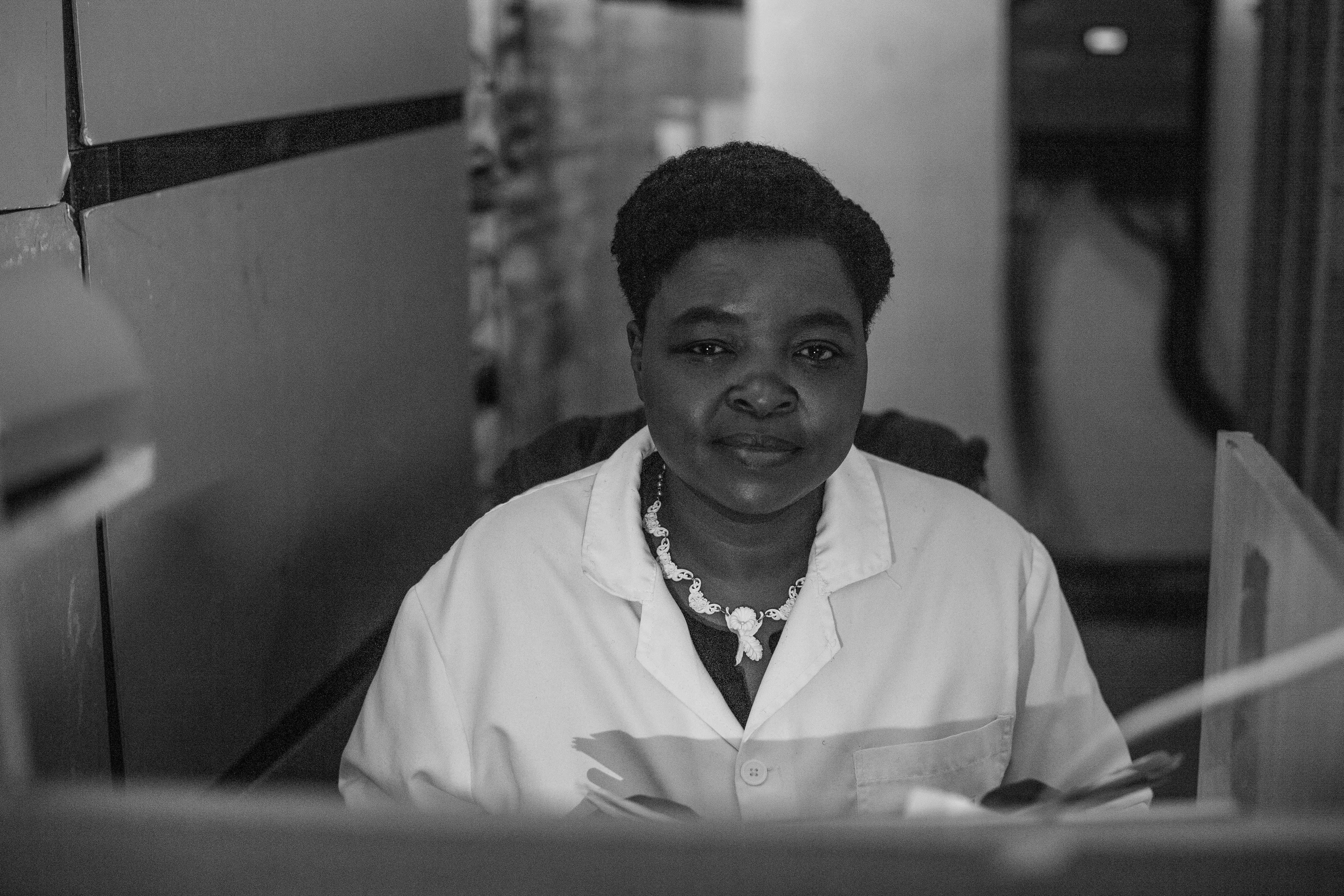
Evelyn Mogeni, popularly known as "Nyasu," first knew her work was vital when she showed it to delegates from Grundfos, the global leader in water solutions when they visited Kenya. One of their senior staff members later highlighted the incredible work she does in Kibera on LinkedIn. At the time, she hadn’t even joined the platform, and a colleague had to make her aware of the post.
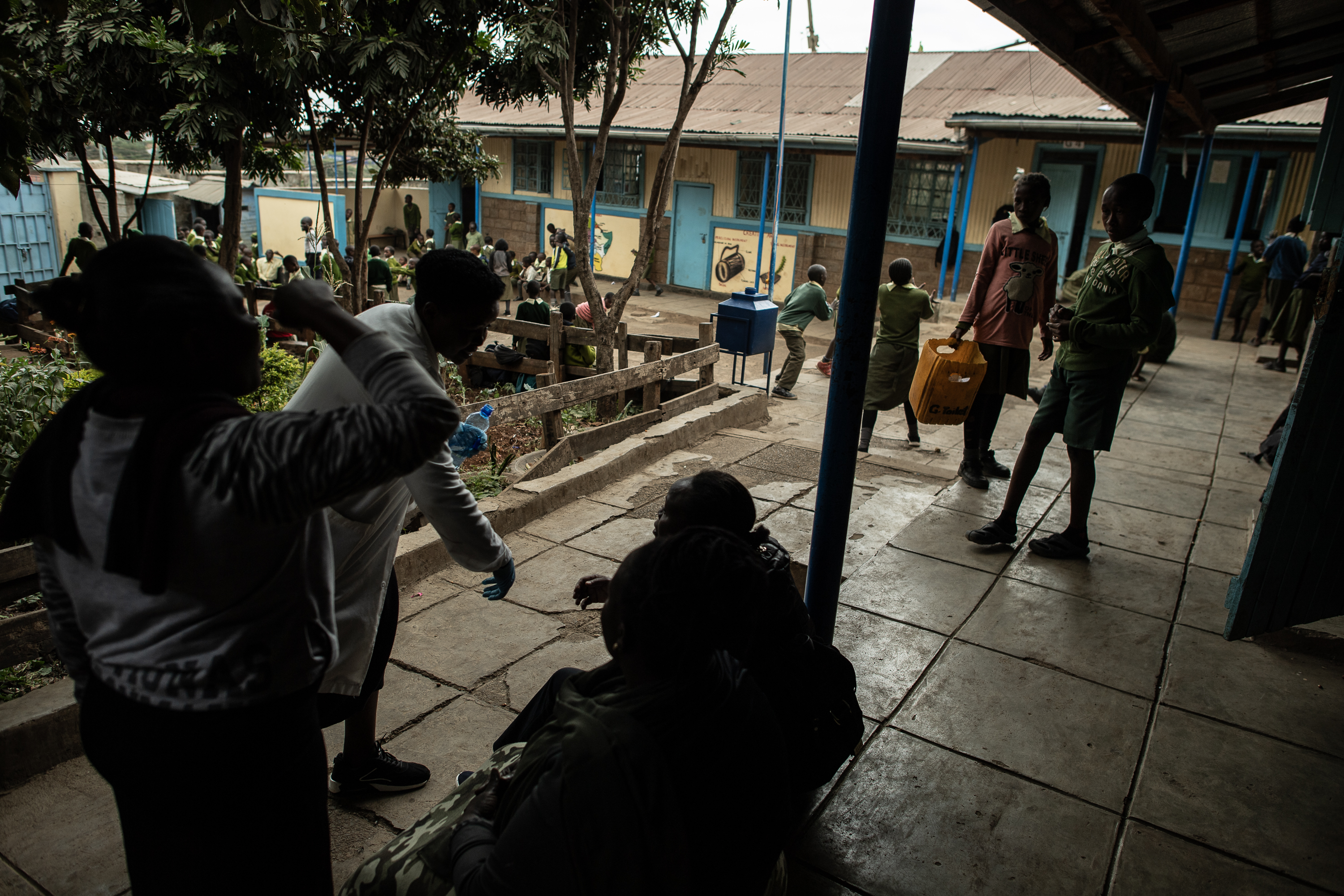
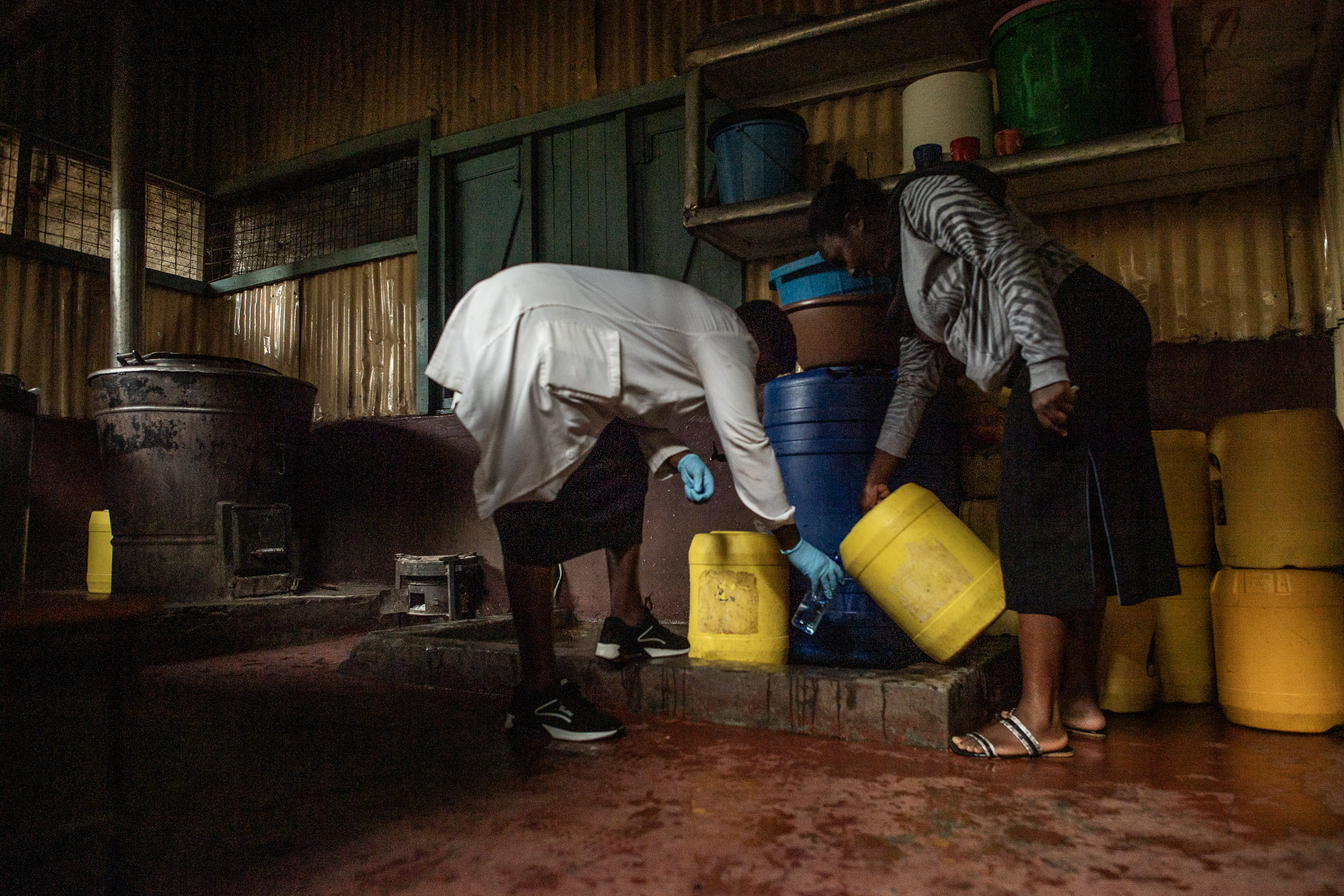
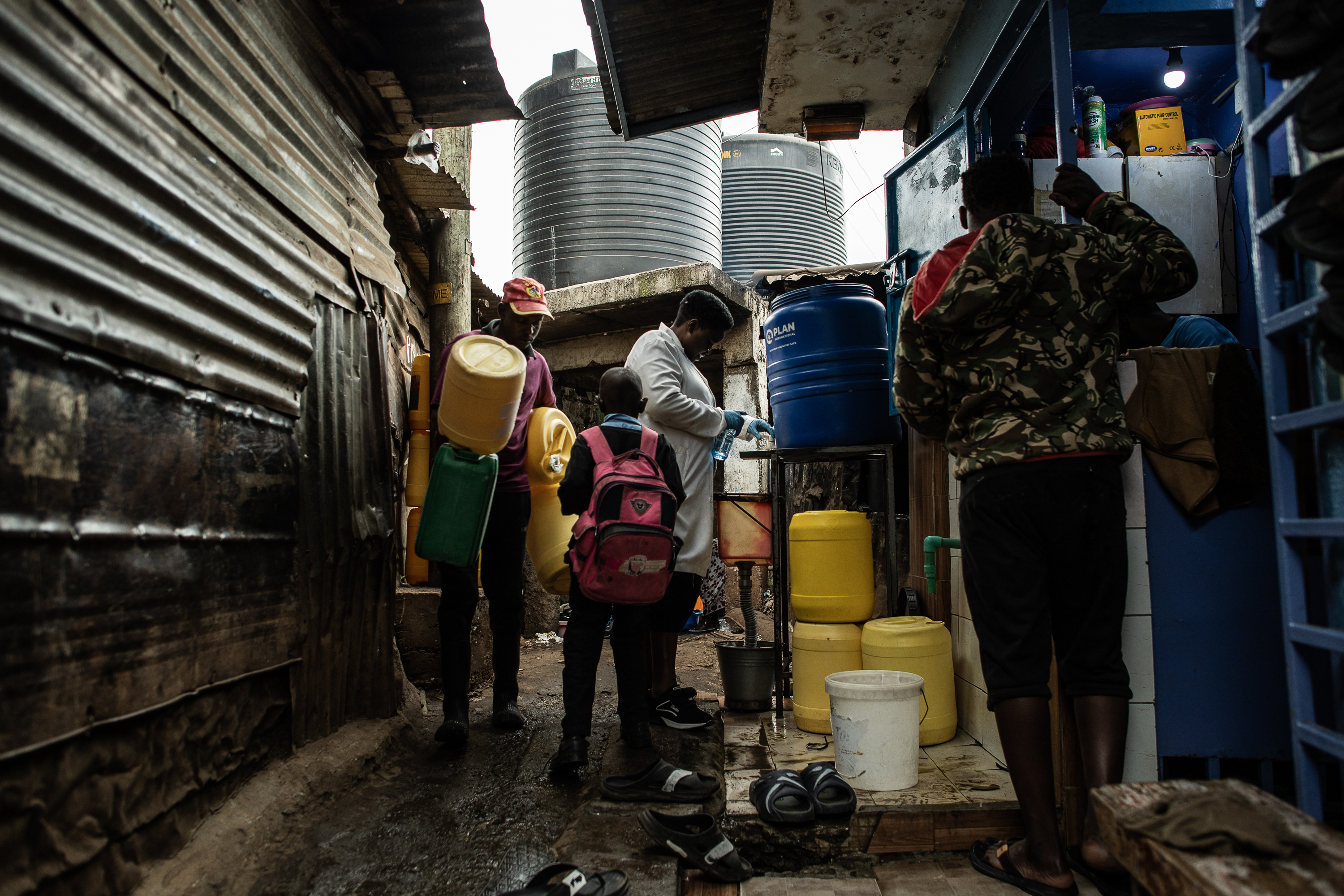
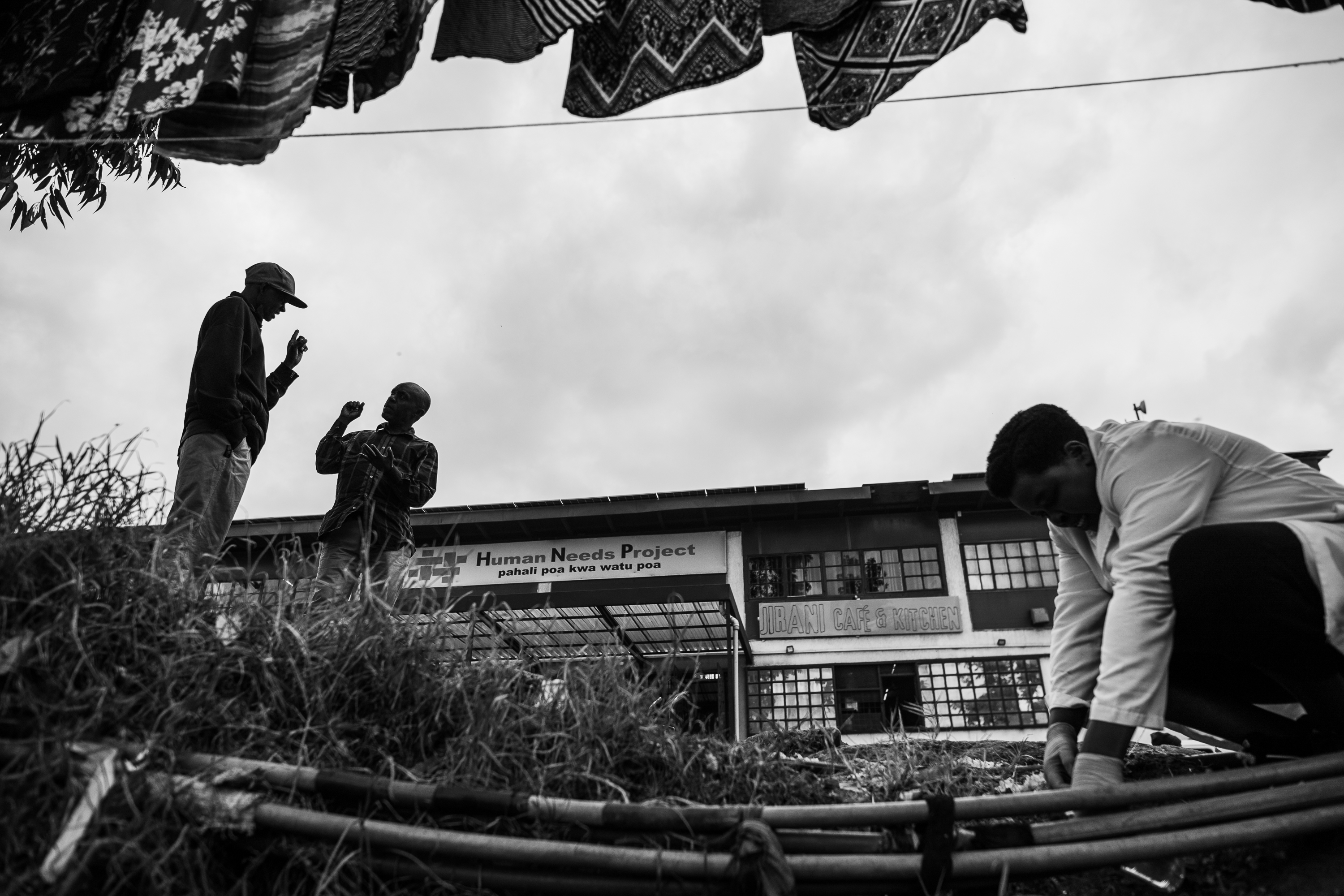
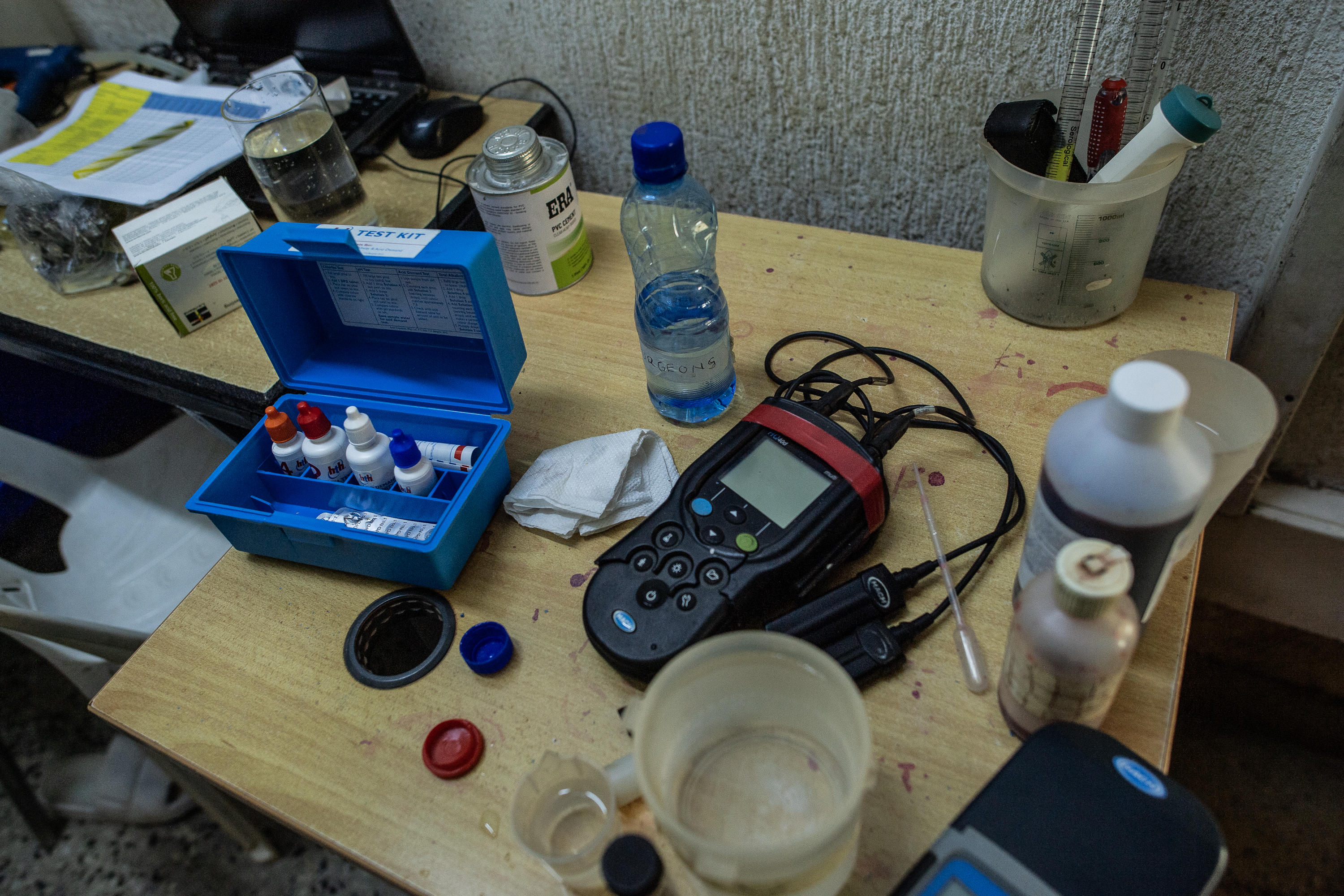
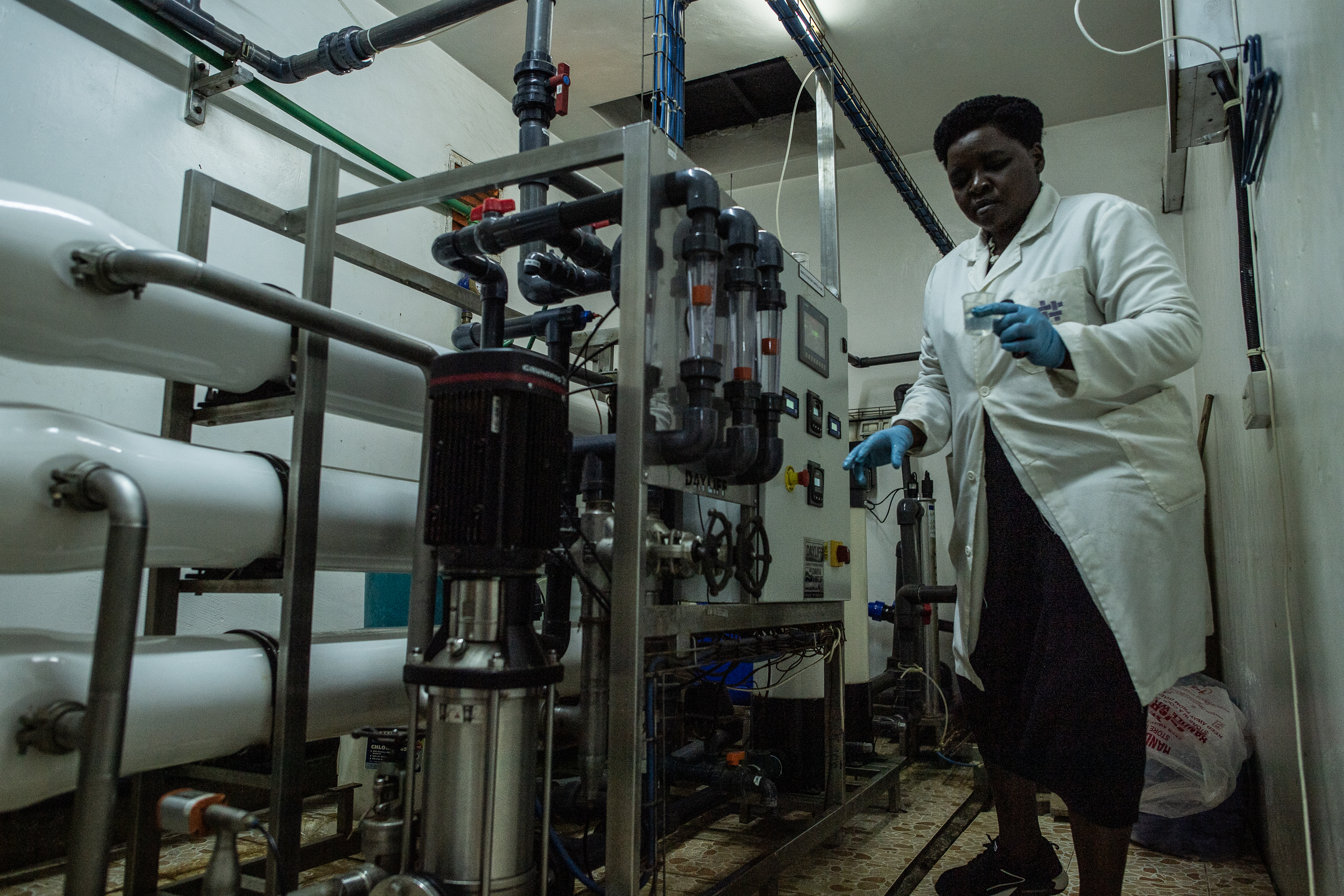
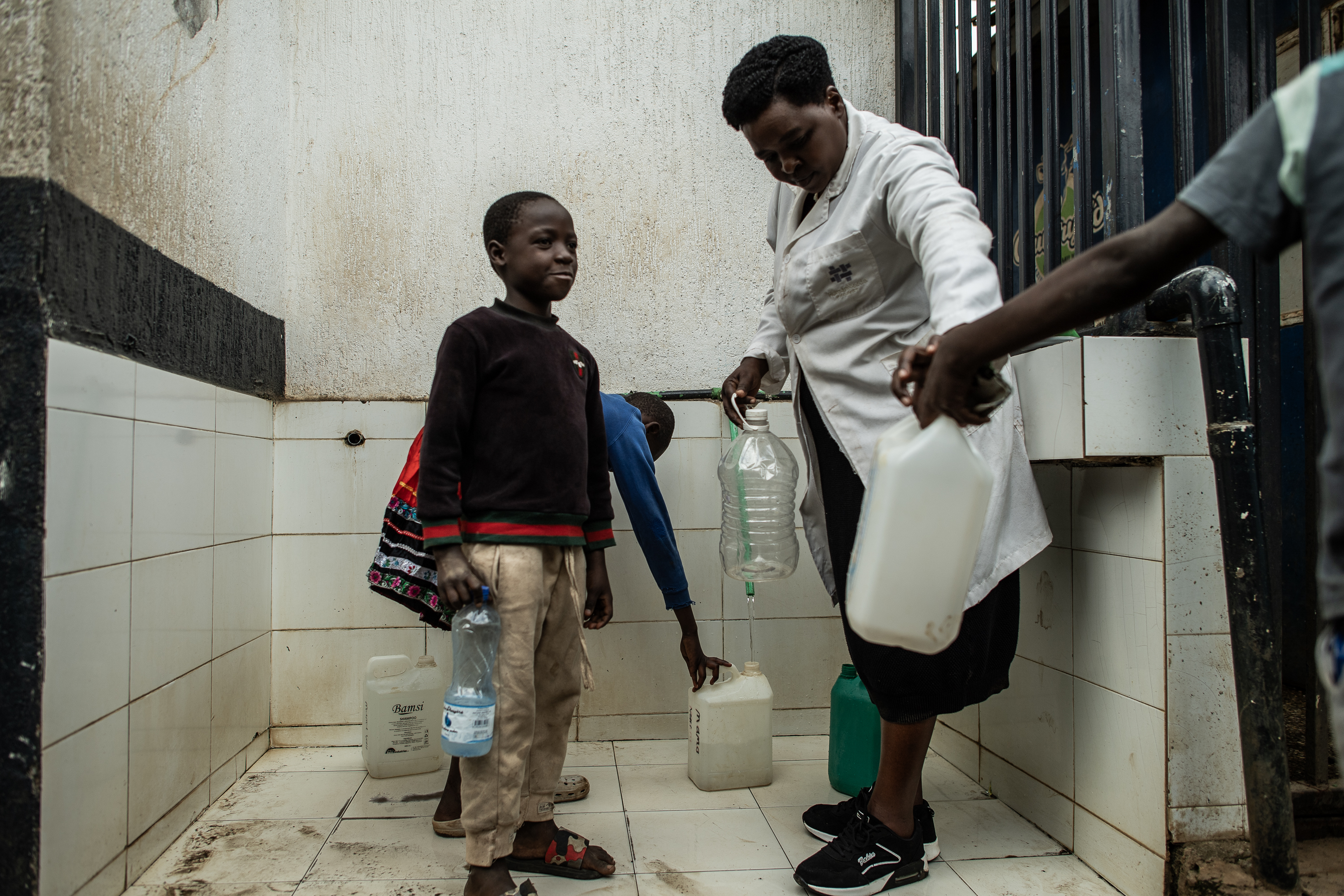
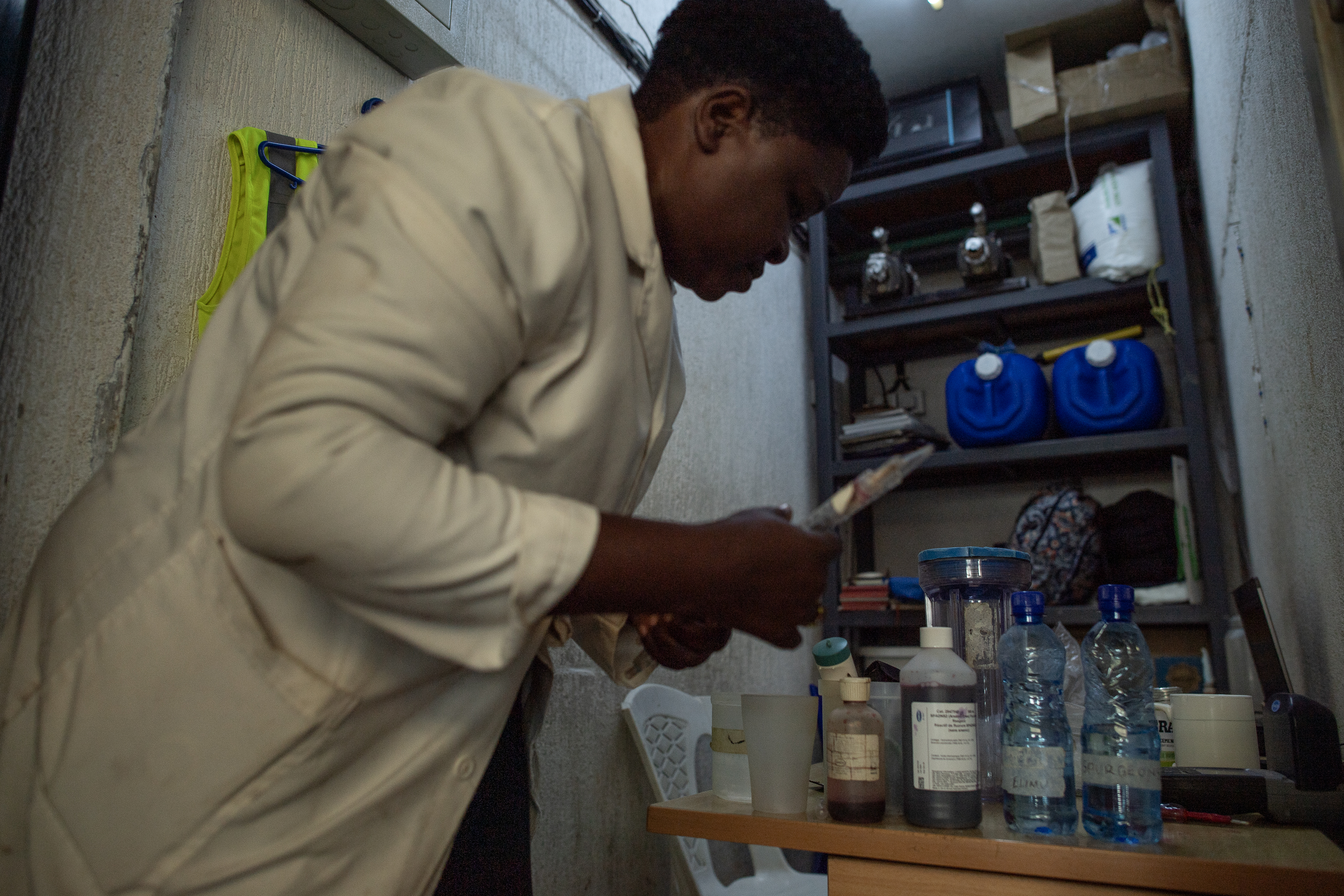
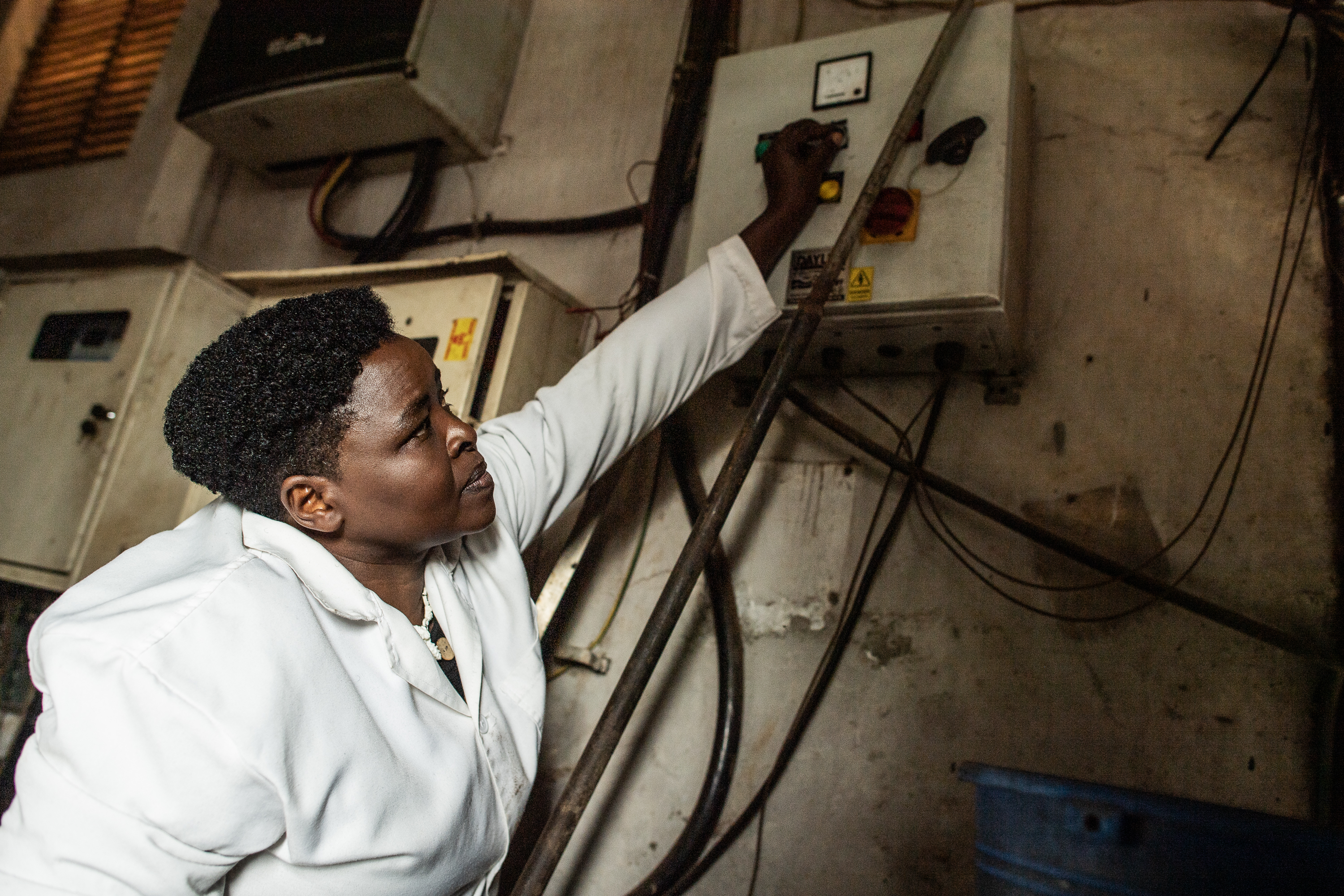
She is always among the first to arrive at her desk at the Human Needs Project's local center in Kibera slums because her role demands an early start, well before residents begin using the facility's hot showers. Her routine begins by collecting water samples from the tap inside the centre’s cafeteria, before hitting the streets to inspect the various water kiosks belonging to the hub. Nyasu is one of the senior women in a heavily male-dominated technical department, pioneering a space that has traditionally excluded women in this area.
Her path to gaining technical skills was not through the traditional Kenyan school system. Instead, she took advantage of the employee development programs offered by the organisation to advance her education, which included completing professional short courses with Davis & Shirtliff. Through the centre's continuous support, she has steadily pursued practical technical certifications that make her highly effective in her role.
“My current status as someone who’s skilled gives me more confidence and also people like it when you mention water technician ’ (broadens smile)’. She adds more weight to her titles and on weekends when the days are slow, you’ll find her with her daughter at the office going through technical manuals. 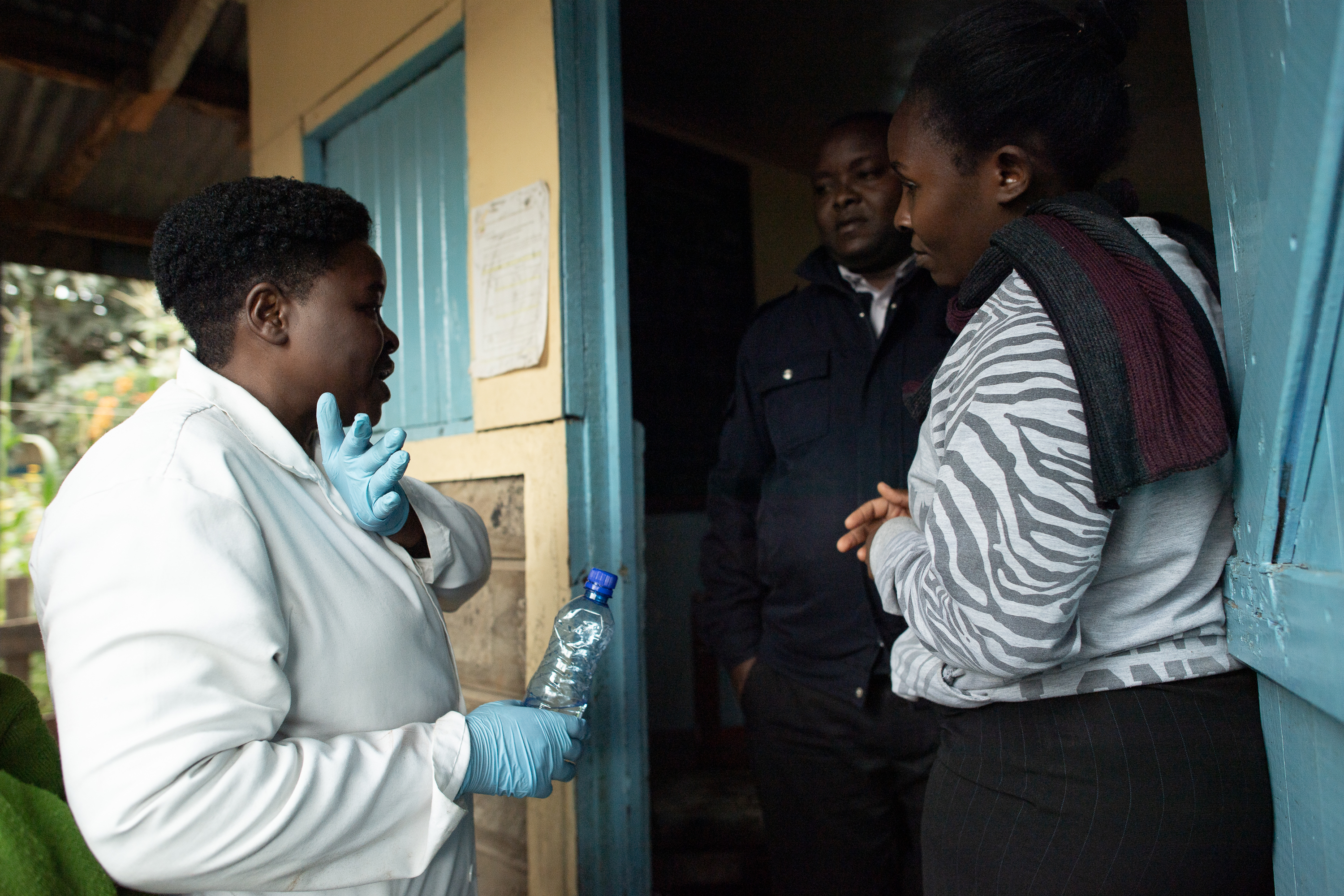
Nyasu is always looking to learn. She mentioned that whenever she vacates a position, she explicitly recommends that the administration replace her with another woman. “That way, I’m not moving alone.” Her smile brightened, and she grew energized as she shared how she now attends high-level water assemblies, including those with UN officials, where she is given opportunities to provide meaningful input on matters directly affecting women.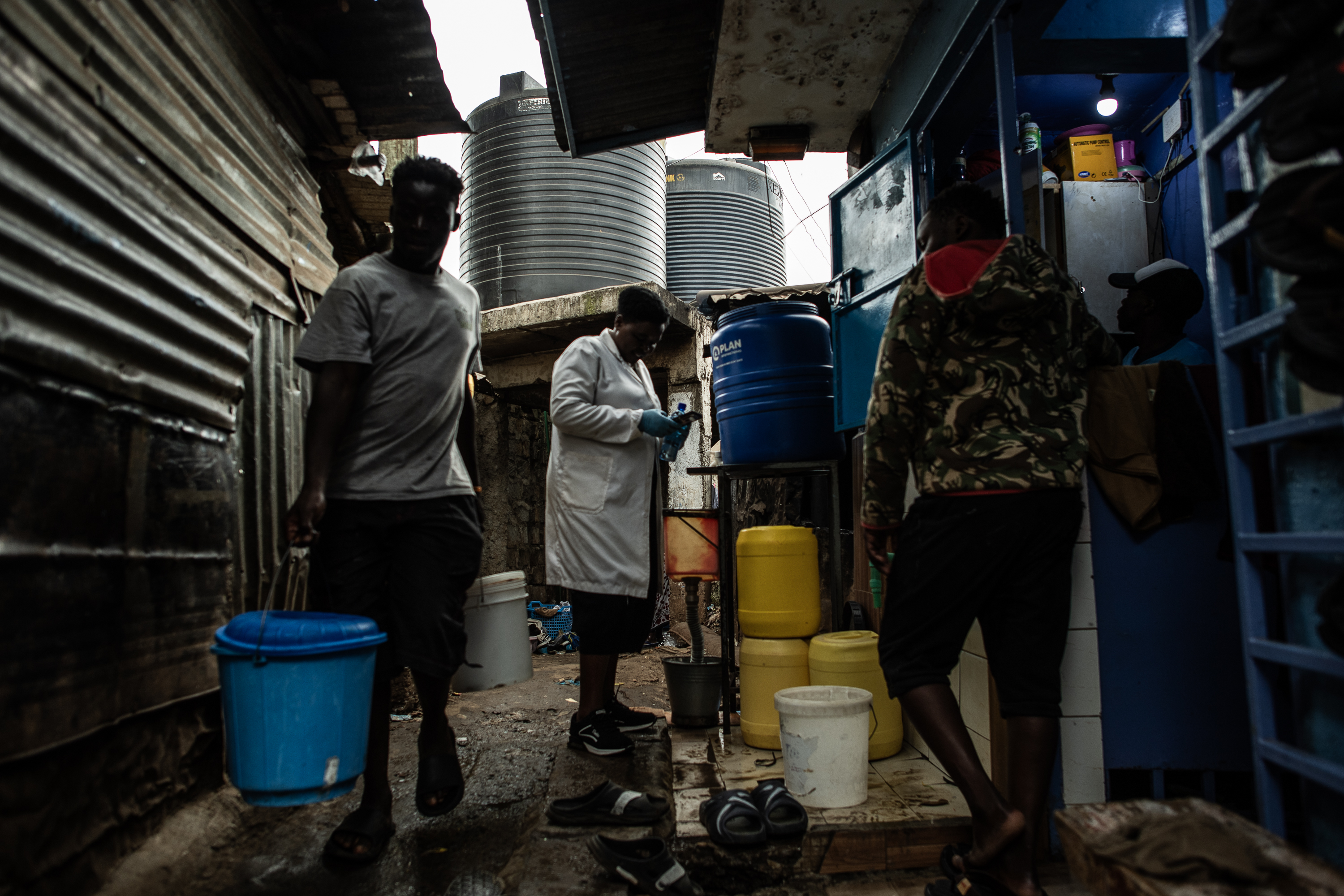
Nyasu’s life has also been shaped by deeply personal tribulations. Having lost her own child at infant, the profound empathy she feels for other suffering women and children is what drives her daily work. “You might not understand, but I gain strength from doing this. This job forced me to step out into the world when I could have easily shut down.”
Profiling Nyasu is a profound testament to the fact that the passionate pursuit of skills knows no age or institutional boundaries. Her deep connection to the neighborhood underscores the critical need for more local women who can face adversity with grace and take life and water one drop at a time.
Over years of meticulous testing, Evelyn has quietly built a vital, comprehensive database on local water quality. If explored and utilized by community planners, her findings have the potential to permanently improve public health and ensure clean, safe drinking water for everyone in Kibera.