I first encountered Samuel Owiti when we were kids, hanging out at an open playing space we called Charlton. The exact spot where the famous Gorofani toilet stands today. He was a new kid on then, and he rarely joined in on our 'gwash' marbles games or street football.
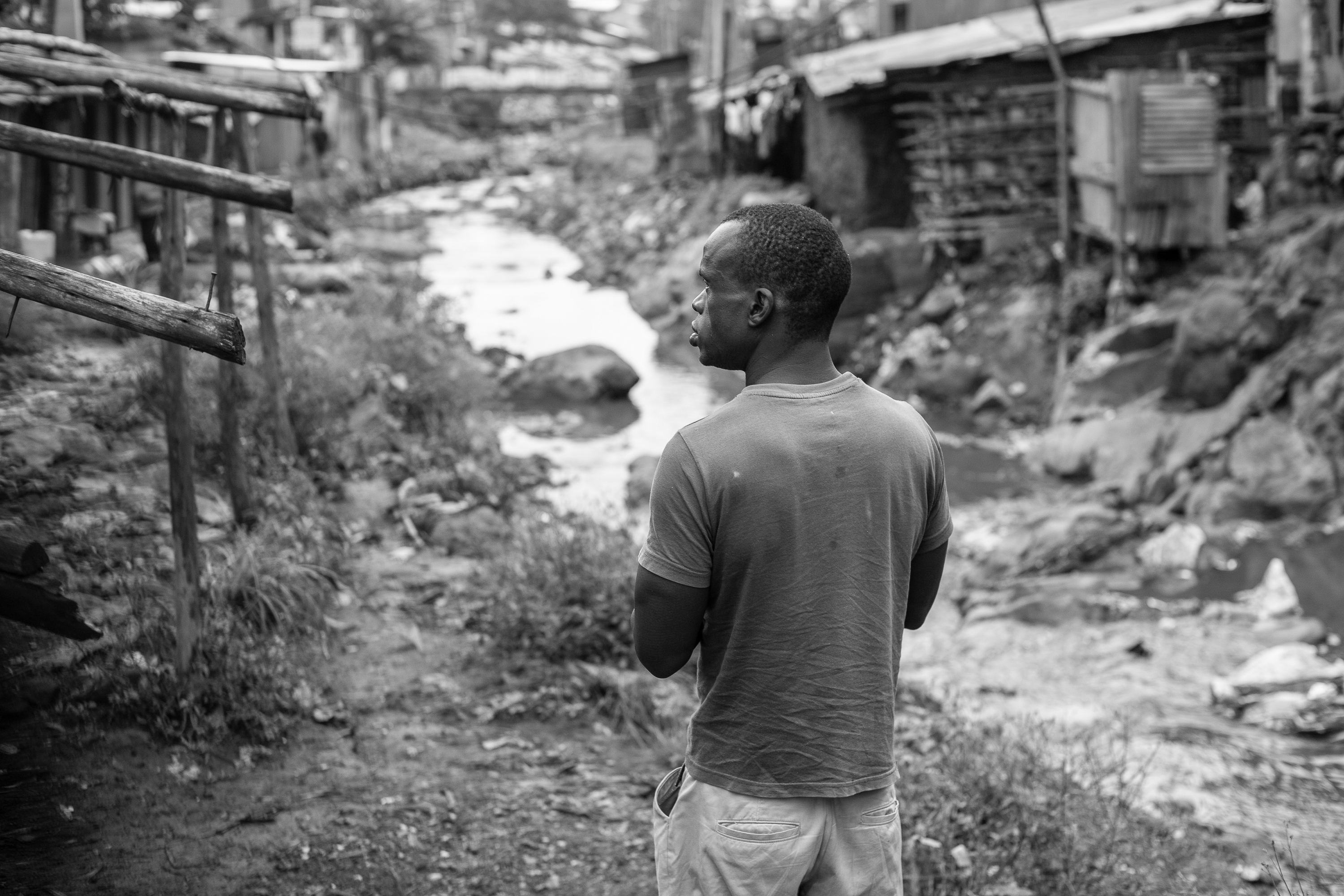
Years later, between 2016 and late 2019, I started running into him regularly again. By then, everyone called him Doh. He was still living in the same area where we grew up, but he had joined a local crew of bouncers. His team was well-known for handling security at high-end events across Nairobi, working with major entertainment brands like HomeBoyz and popular clubs like The Alchemist.
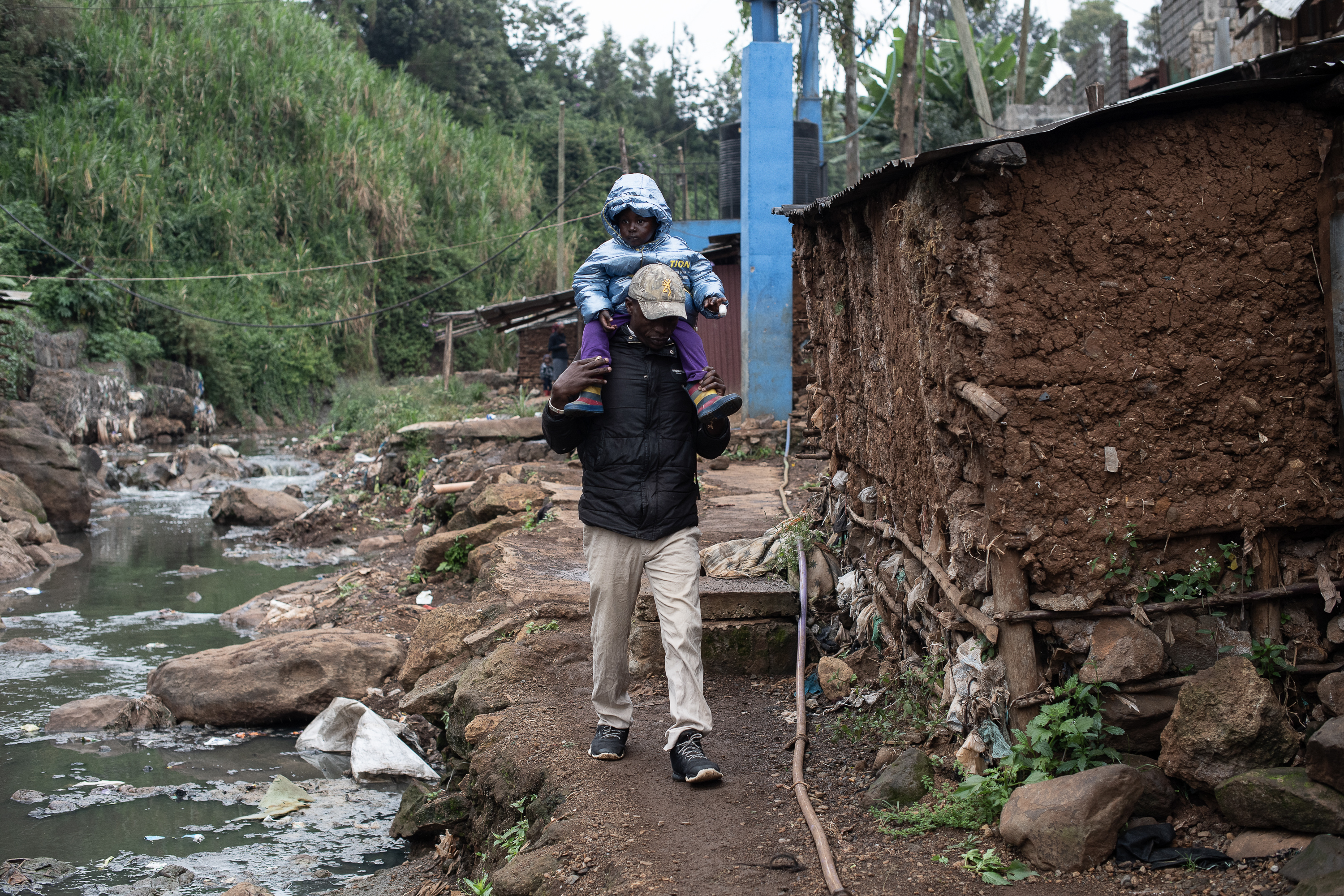
Having known him as a quiet child, it was impossible to ignore the stark transition he had undergone. He stood straight, radiating the quiet confidence of someone who had endured years of grueling gym work and was finally enjoying the fruits of his labor. He had built a physique that commanded respect, even among his formidable peers. His walks around the Katwekera area followed a strict, disciplined routine, mostly moving between the local gym, the neighborhood shower rooms, or returning home in the early morning fog after a long night shift.
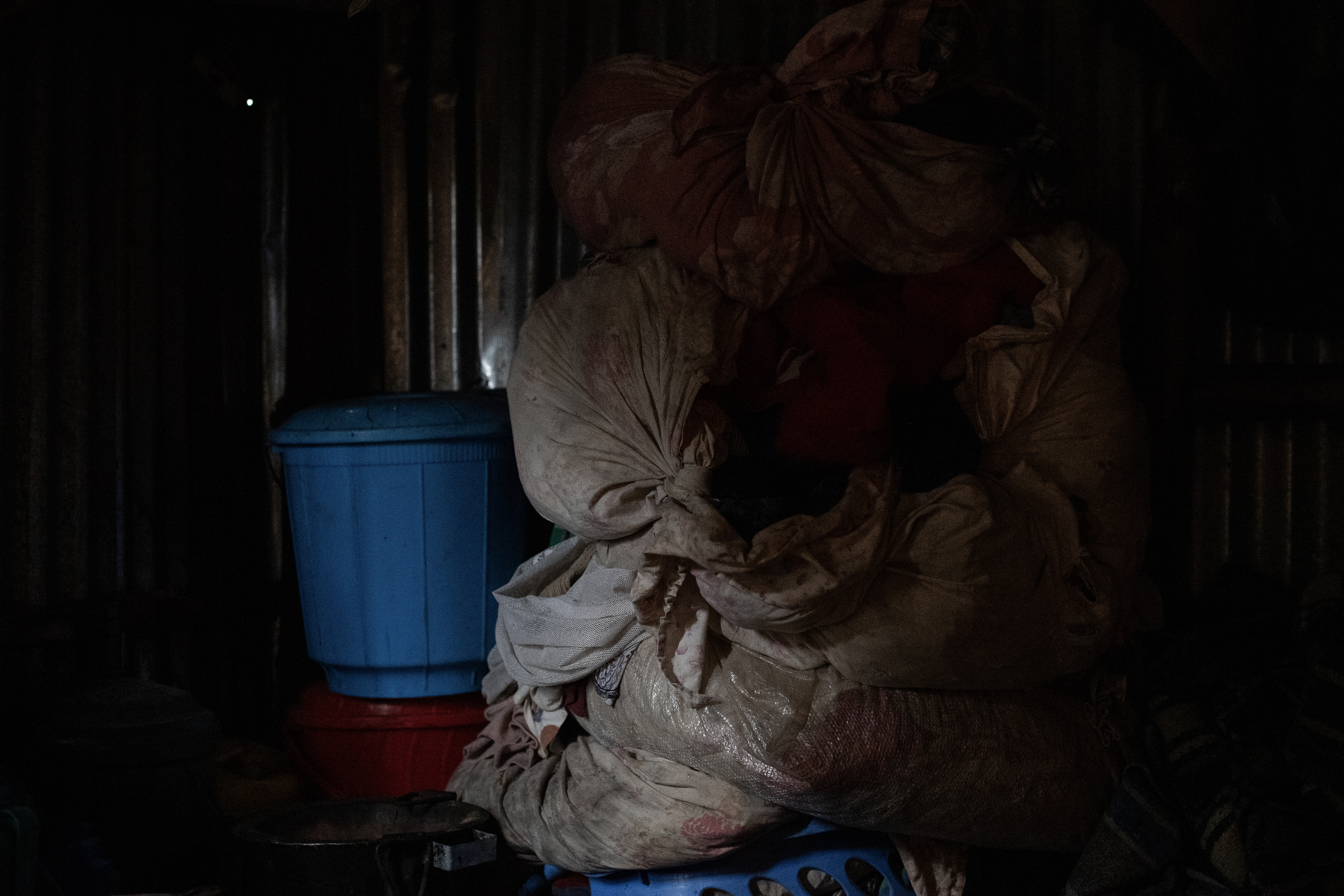
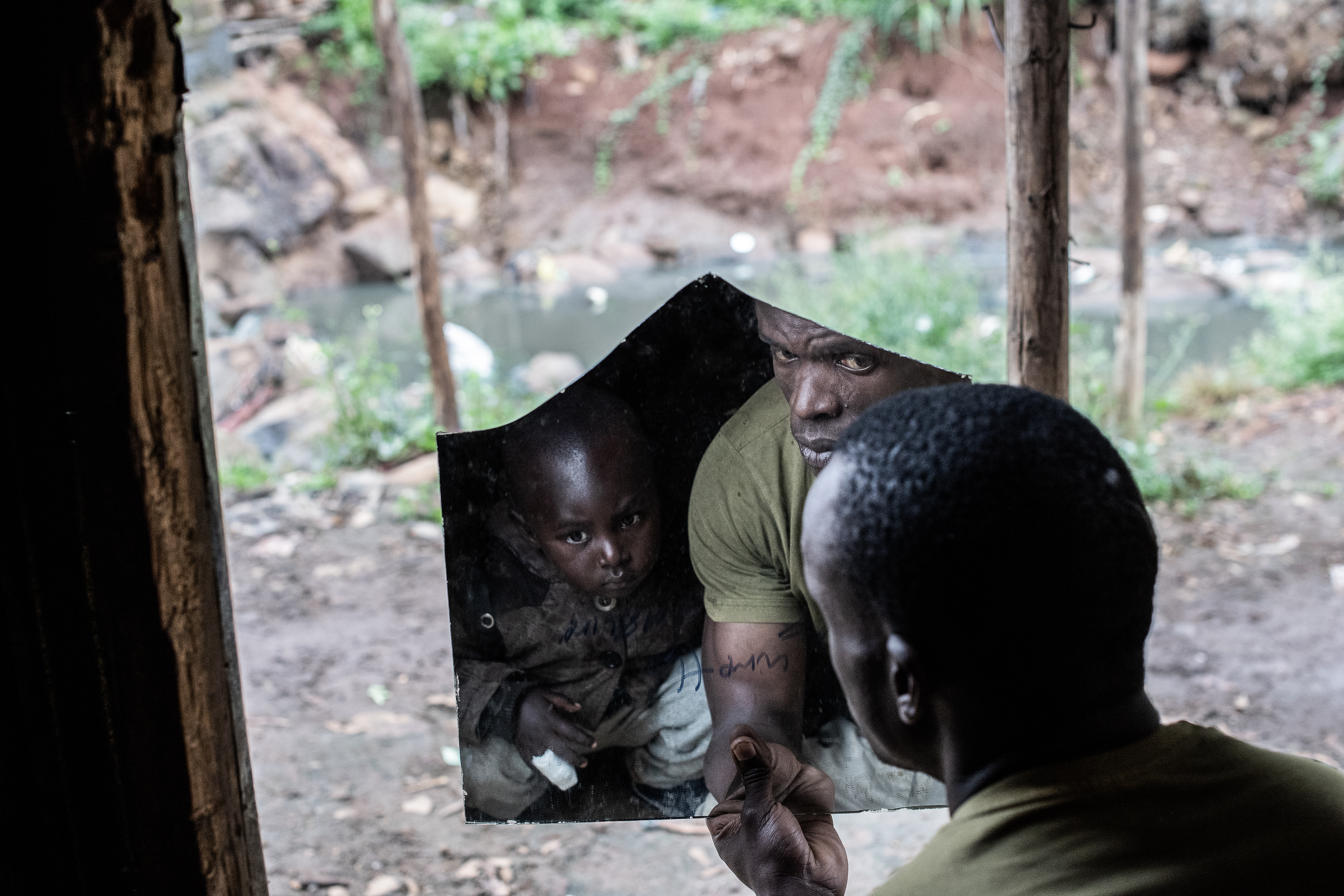
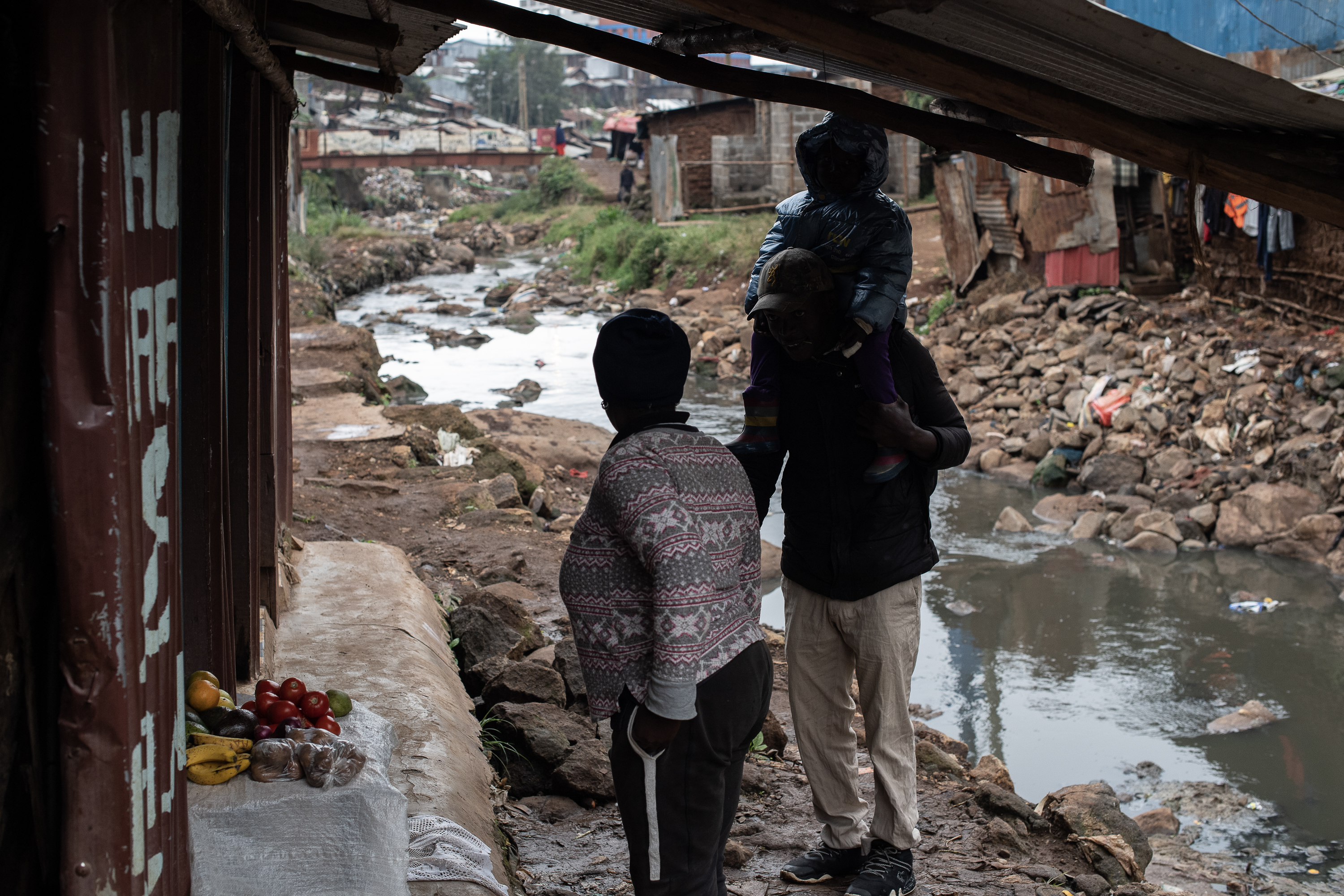
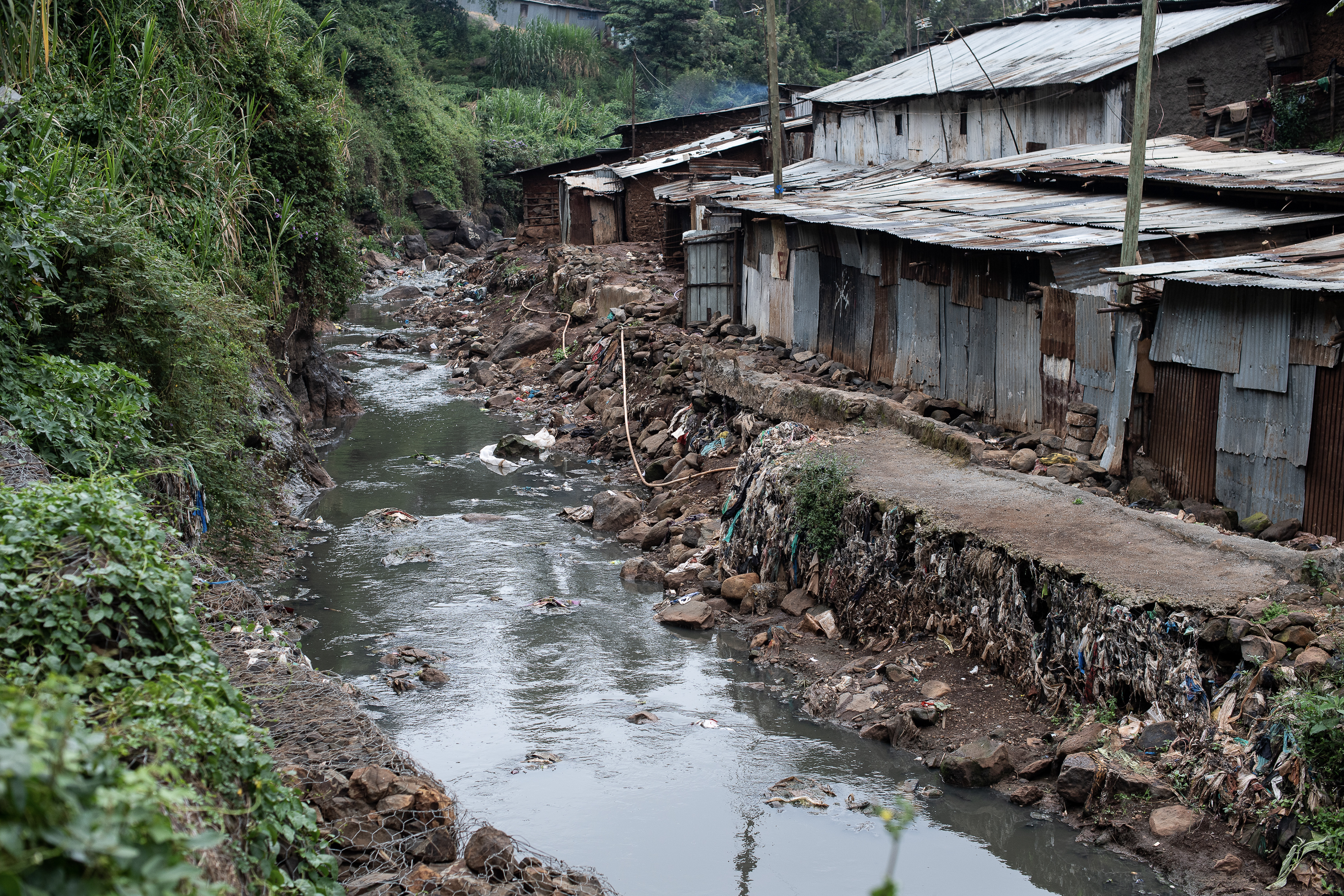
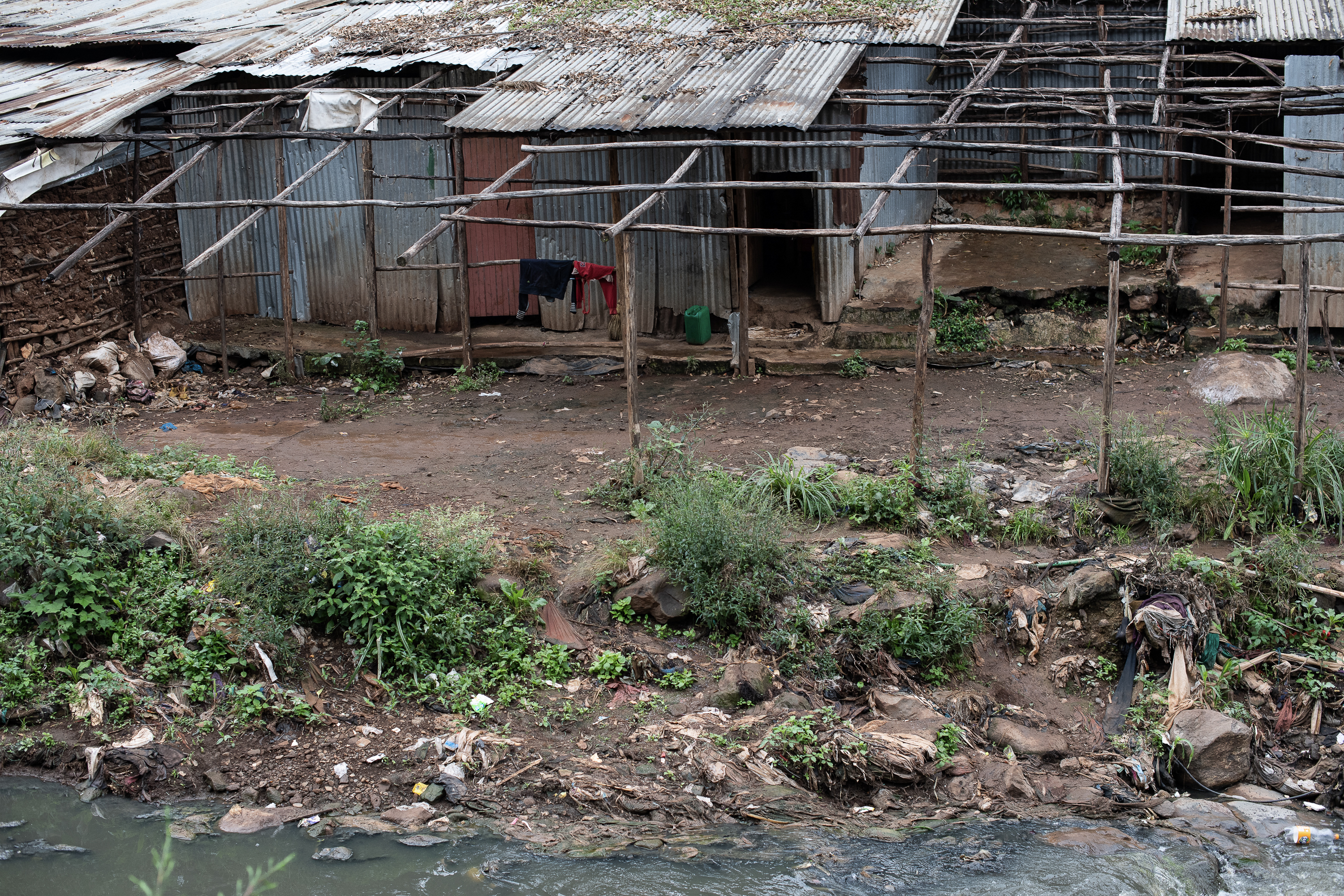
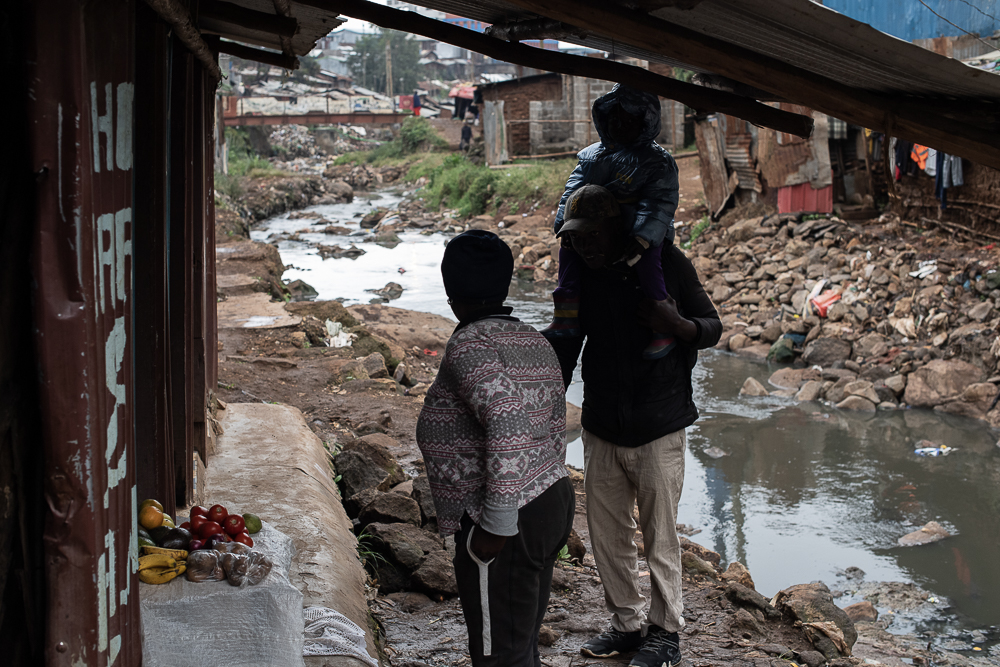
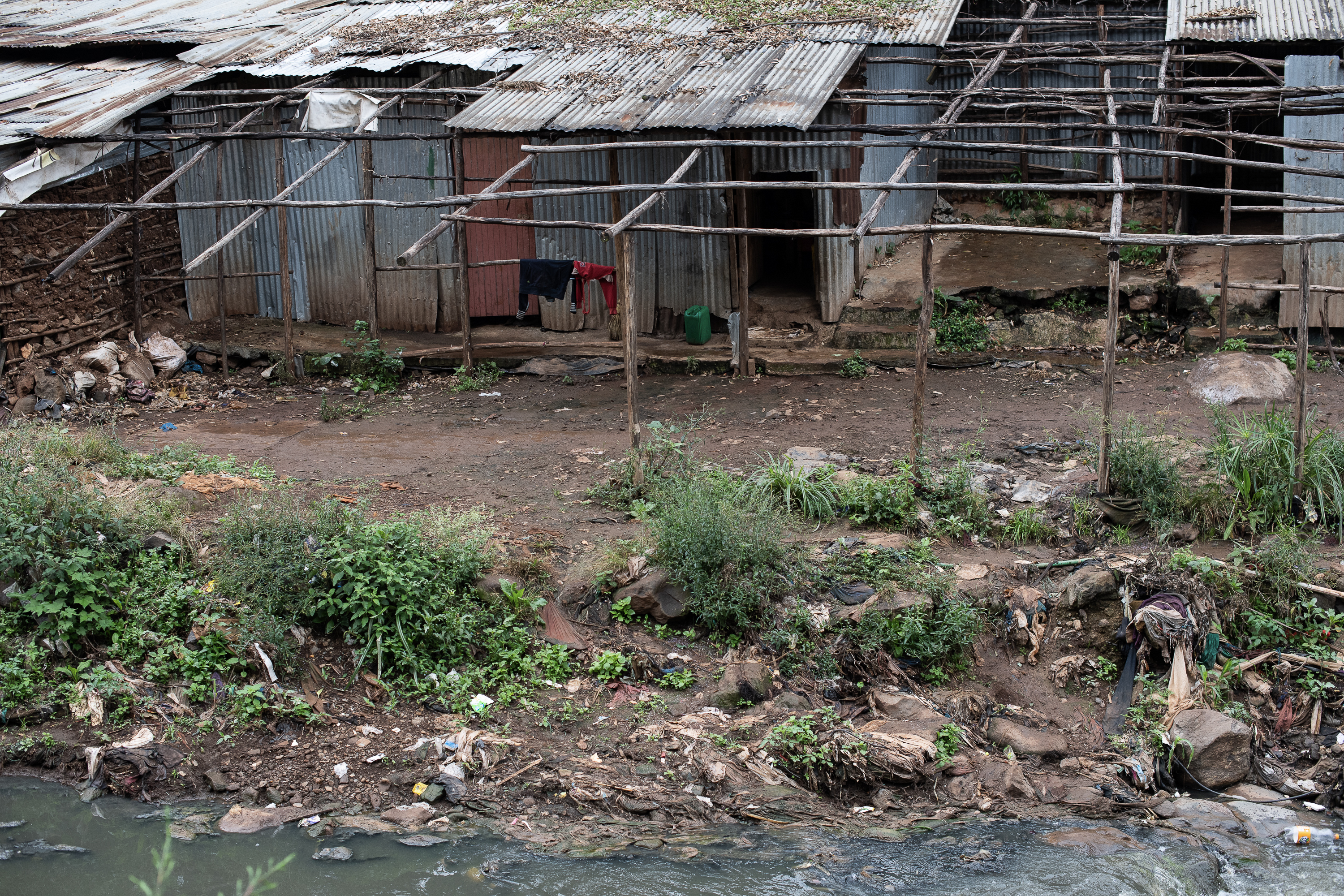
By May 2024, it had been about two years since I last saw Doh. That changed when I went out to document the aftermath of the devastating Nairobi floods. I was strolling along the Riverside Banks, as I often do after heavy downpours, to assess the damage from the previous night's rains. As I surveyed the area, a particular house caught my eye. It was structured dangerously close to the edge of the banks, yet it miraculously stood intact while the buildings around it have been waded off. On the opposite side of the river, futile attempts had been made to fortify the banks with gabions, but the wire mesh had snapped, just waiting for the next rains for it to completely break.
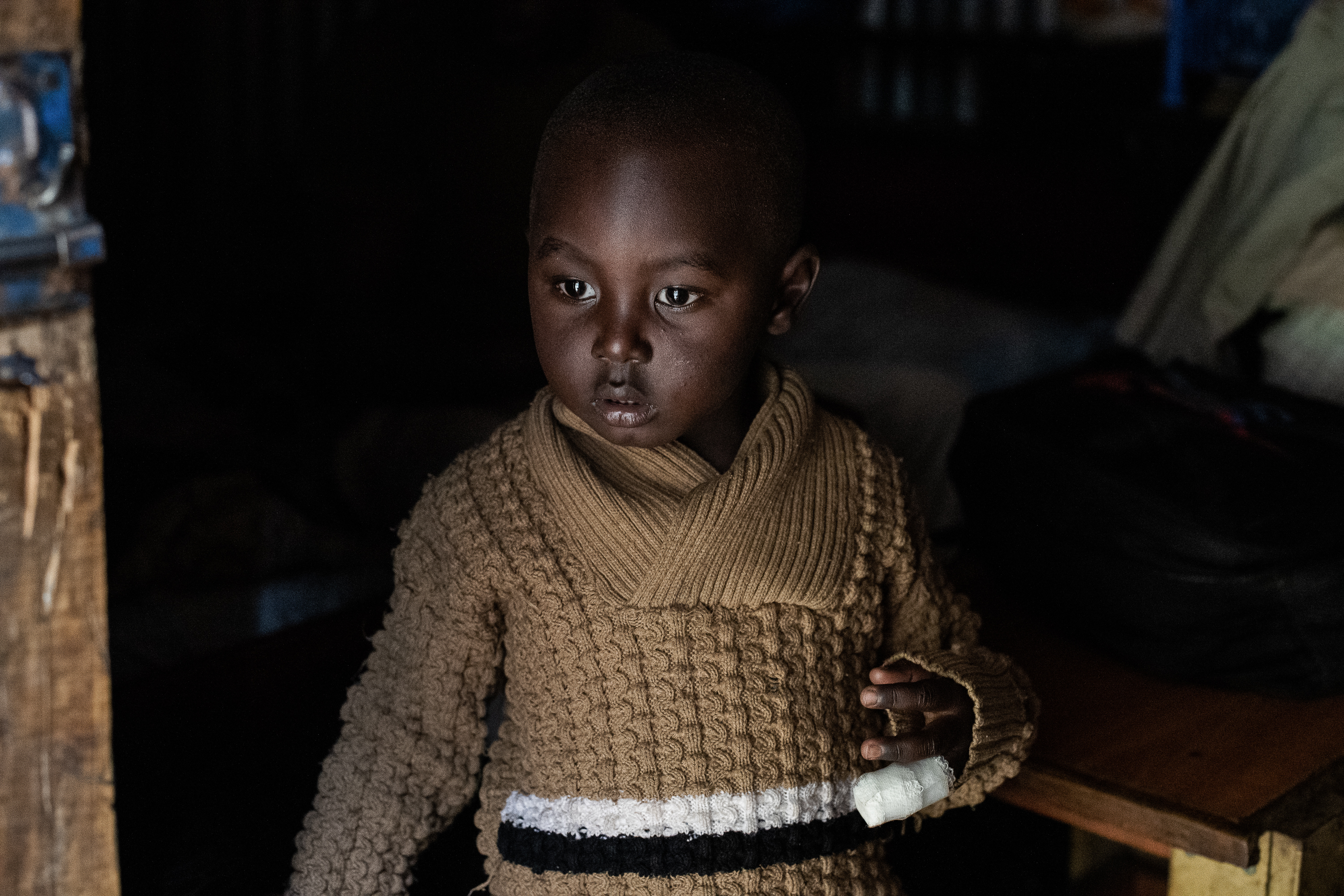
Curiosity drew me to the door. I knocked, and a young boy, whom I would later learn was Doh’s son answered. He told me his dad was asleep. It was around midday.
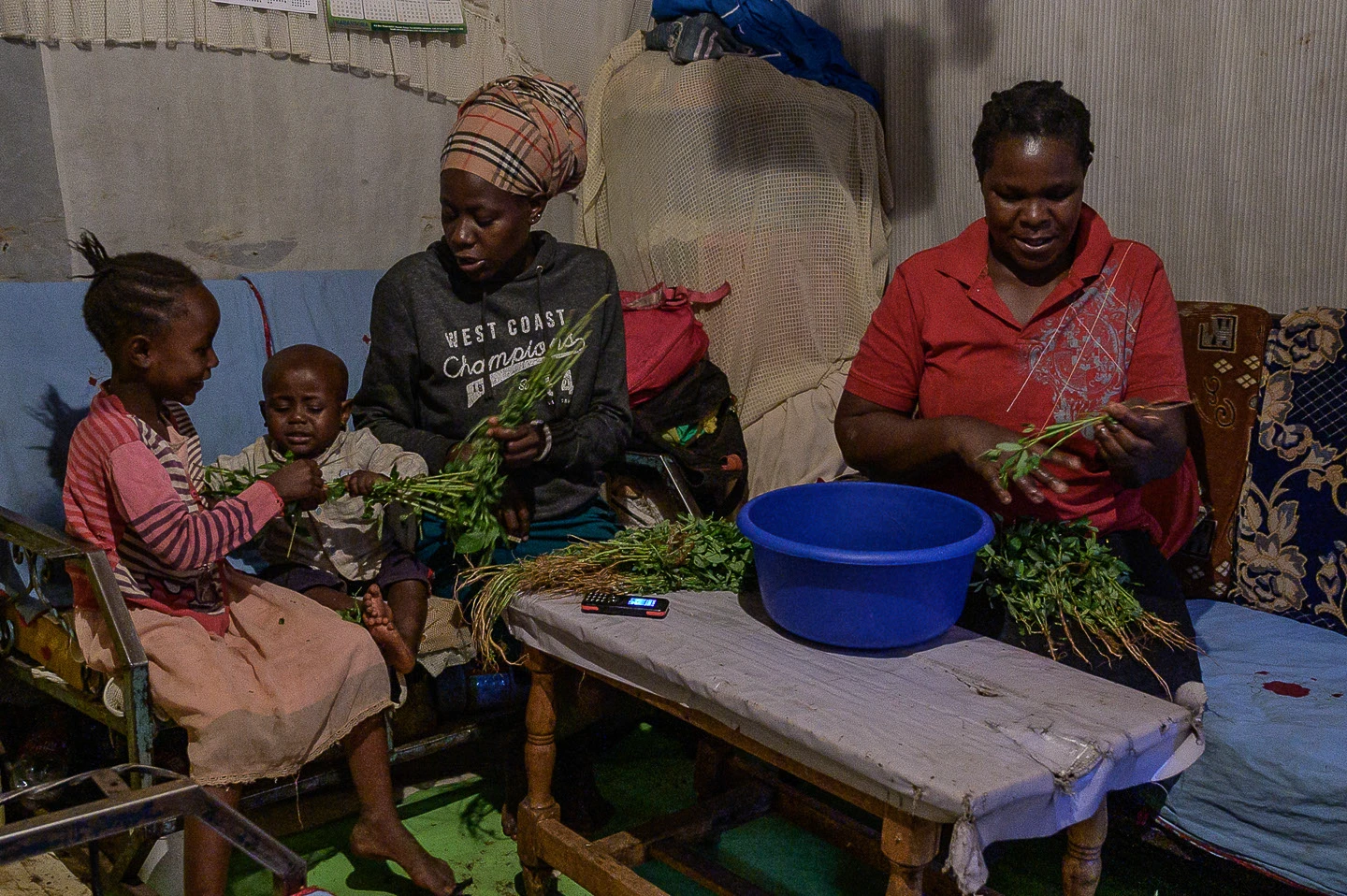
When Doh finally woke up, he looked exhausted, but the moment his eyes fell on me, his spirit lifted. "Ah, Ndiefi!" he greeted me warmly. The family had just finished a meal; remnants of ugali and a bowl of kales (sukuma wiki) sat on the table, indicating they had eaten simply but sufficiently. He quickly cleared a space on the chair and invited me to sit down.
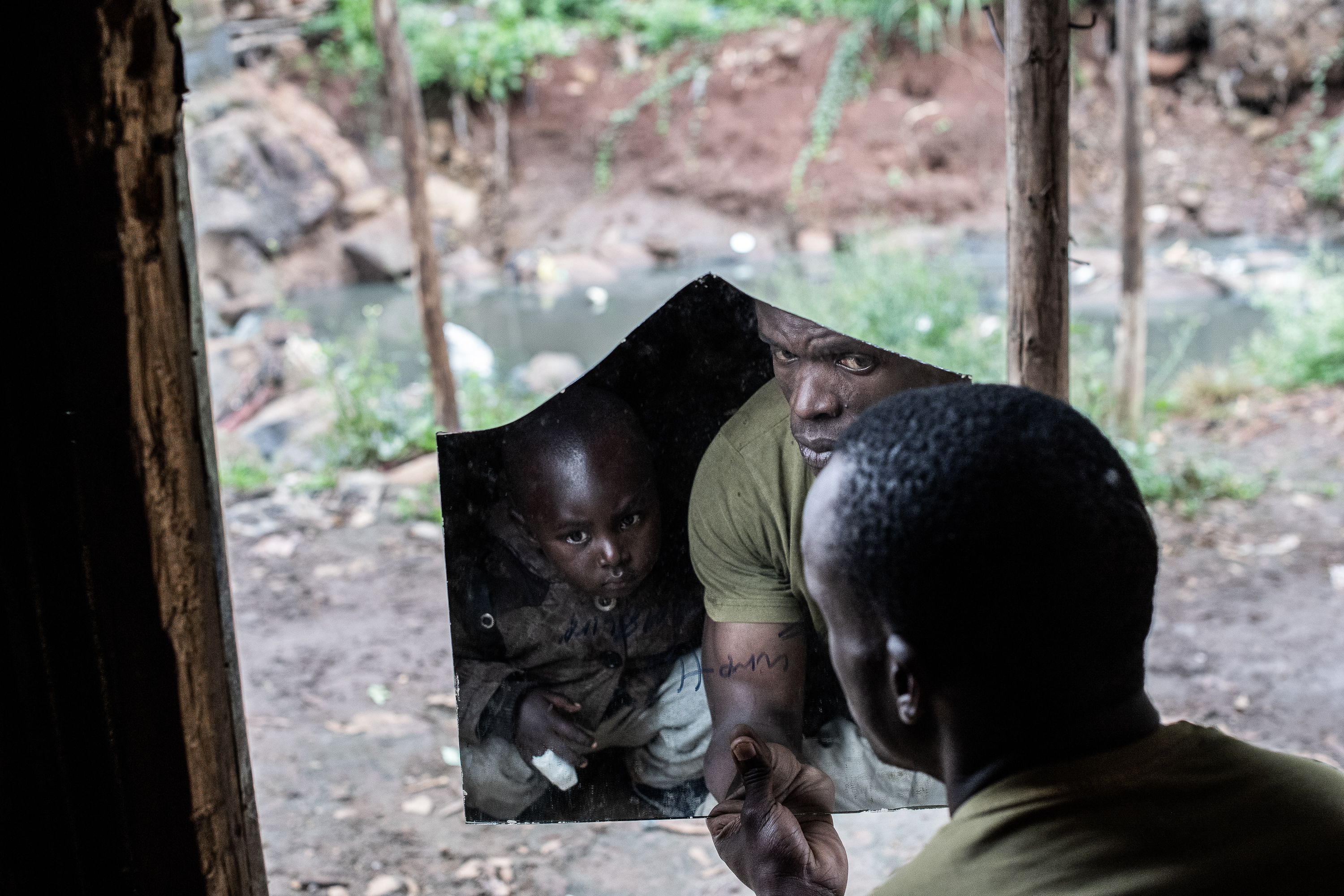
We talked for a long time, and the story of his missing years began to unfold.
I learned that his downward spiral started in 2021, when the government abruptly ordered the immediate shutdown of clubs and entertainment venues to curb Covid-19. Overnight, he and most of his bouncer friends lost their source of income. He remembered the exact day the axe fell because it came at the tail end of a brutal week. He had just spent five straight days at the hospital caring for his sick wife, followed by a Friday morning trip to a friend's burial that completely drained his remaining savings. That same Friday evening, as he was prepping to head out for his usual night shift, his phone rang. It was the call he dreaded: they no longer needed security. Nobody was coming to the clubs anymore.
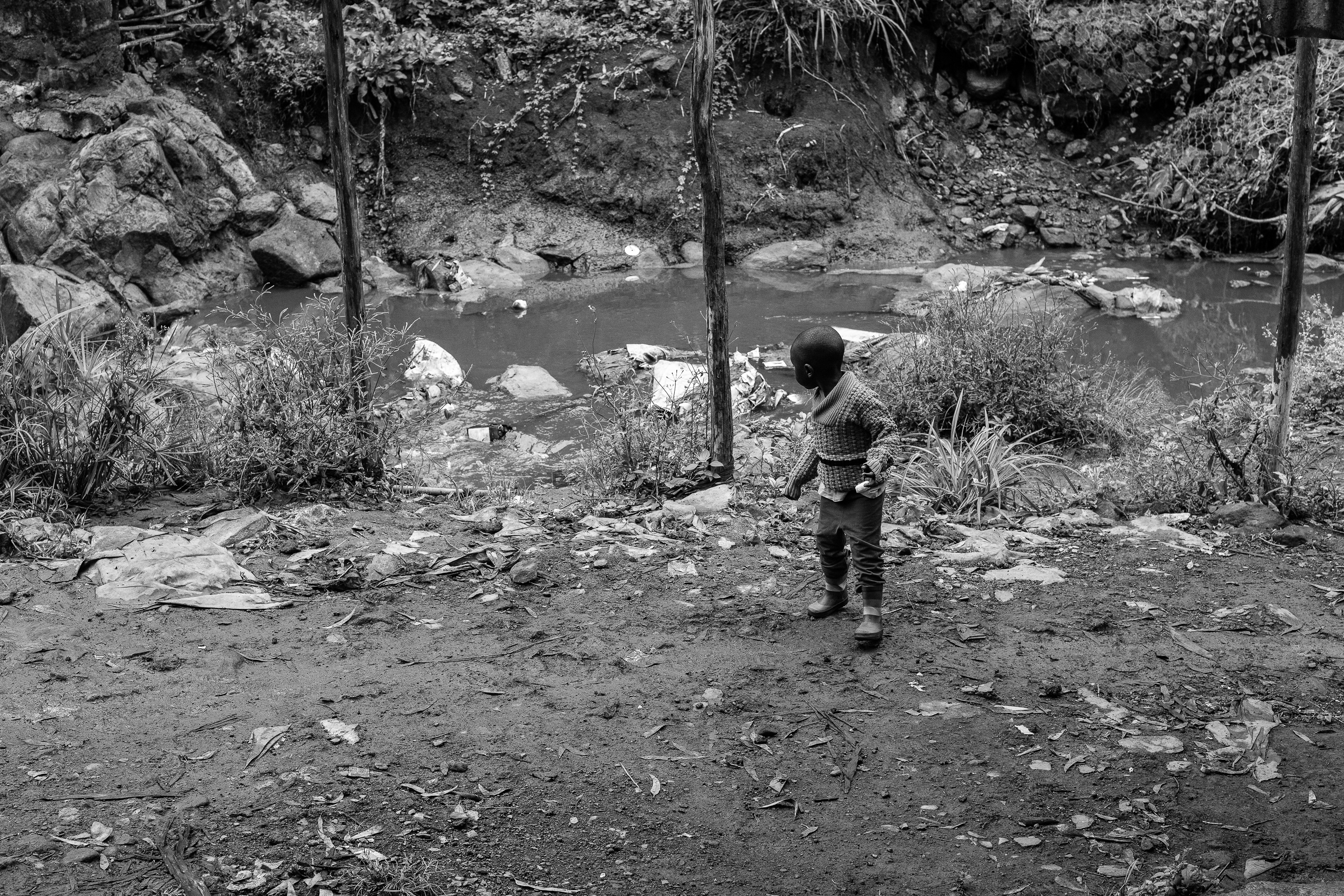
The previous evening, it was really raining and Doh was away from home and couldn't make it back in time to protect his family. To make matters worse, he didn't have a phone on him, leaving him completely cut off. Luckily, his neighbors came to the rescue. They had spotted a young child desperately trying to escape the rising waters inside the isolated house and waded in to pull him out. When Doh later learned about the exhausting, coordinated effort his neighbors made to save his son, he admitted to me with a heavy heart that he probably couldn't have pulled it off alone, even if he had been there.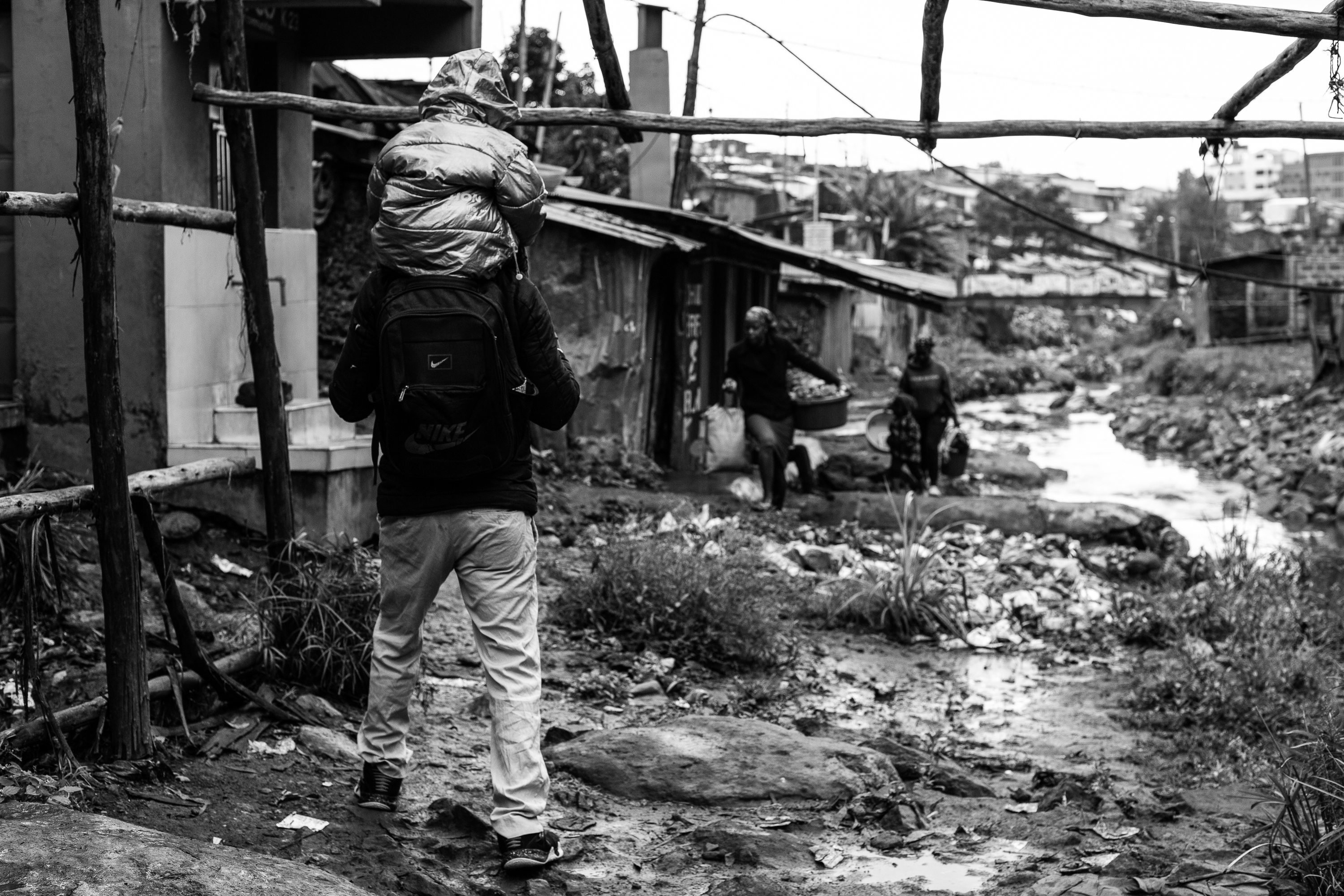
Now, a few years after the pandemic, he remains stuck in the same precarious housing situation, trying to scratch out a living by selling clothes. Despite the financial strain, he still prioritizes his mental and physical health; whenever he gets a little extra money, he pays his gym membership a few days in advance, making sure he trains at least once a week. "I haven't moved because moving is too difficult right now," he confessed quietly. "The days might look okay on the outside, but something is eating me up internally."
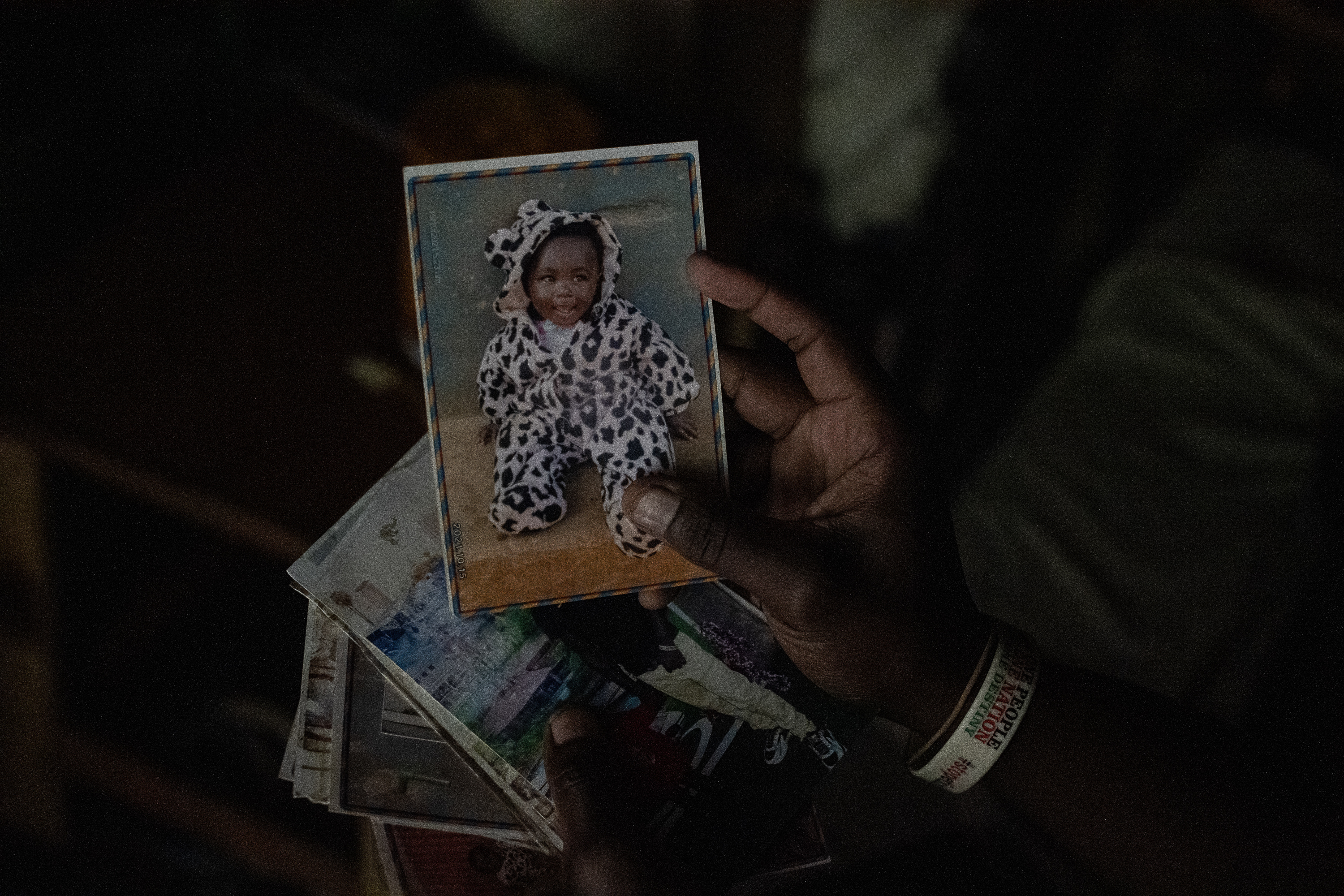
'I really want to protect this child, not only from rain but also be in a position to feed him and take him to school. I want to make sure that he doesn't experienced what he went through the floods again and also what I'm going through'.
You could see reflections on his face change as he says the words. Samuel believes that his situation is because of devil plants from people who do not want to see him prosper.
Doh’s trajectory has been unfortunate, and his soul bears the heavy scars of recent years. But unlike the quiet, isolated boy who first arrived at Charlton years ago, he now possesses a deep sense of awareness and community ties. Most of his old crew have drifted away or left the area, leaving his friends scattered and out of place. But Doh is actively adapting. He is meeting new people at the gym, forging new connections, and drawing strength from the neighborhood that saved his son. He is down, but he is fully resolved to bounce back.