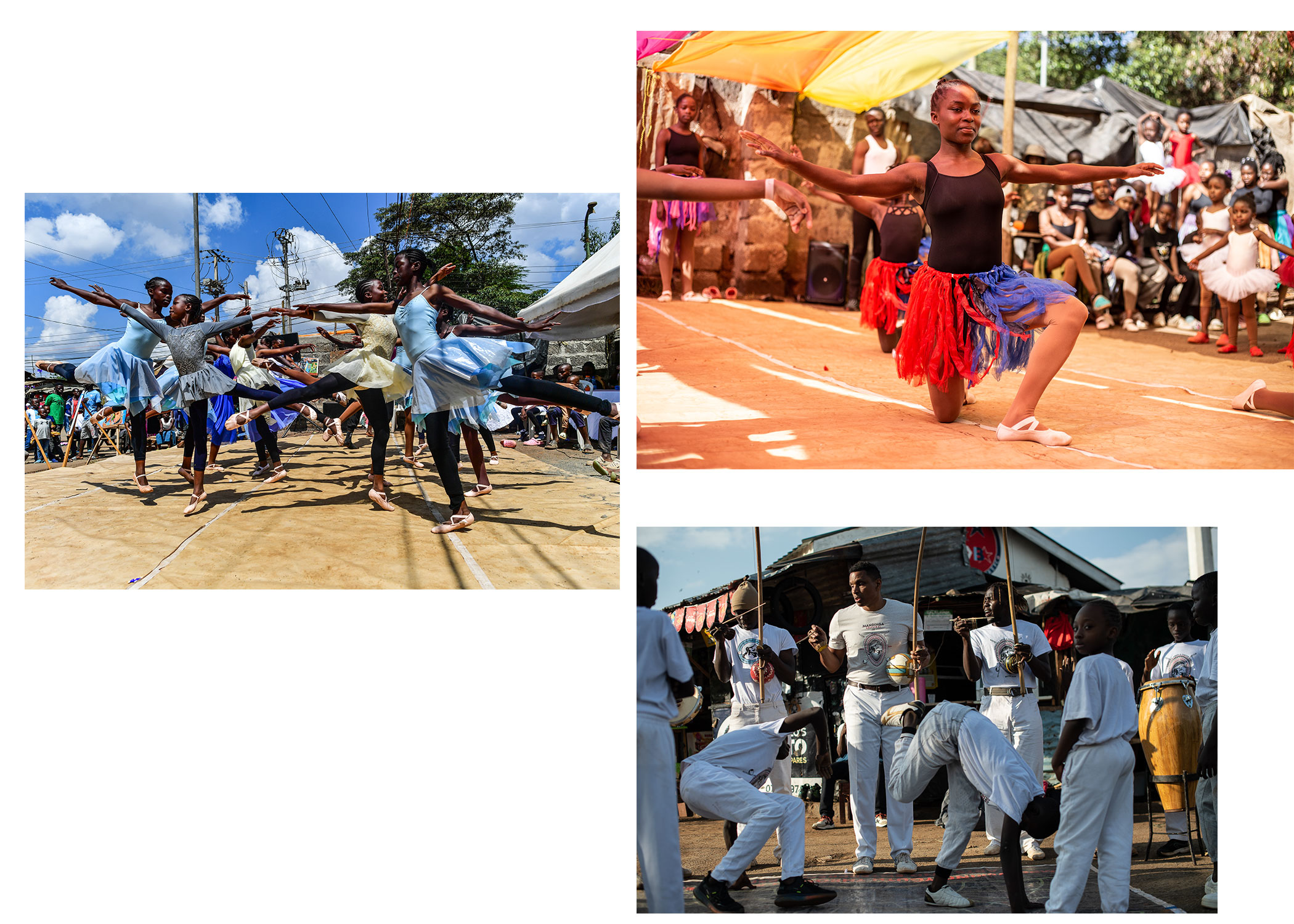
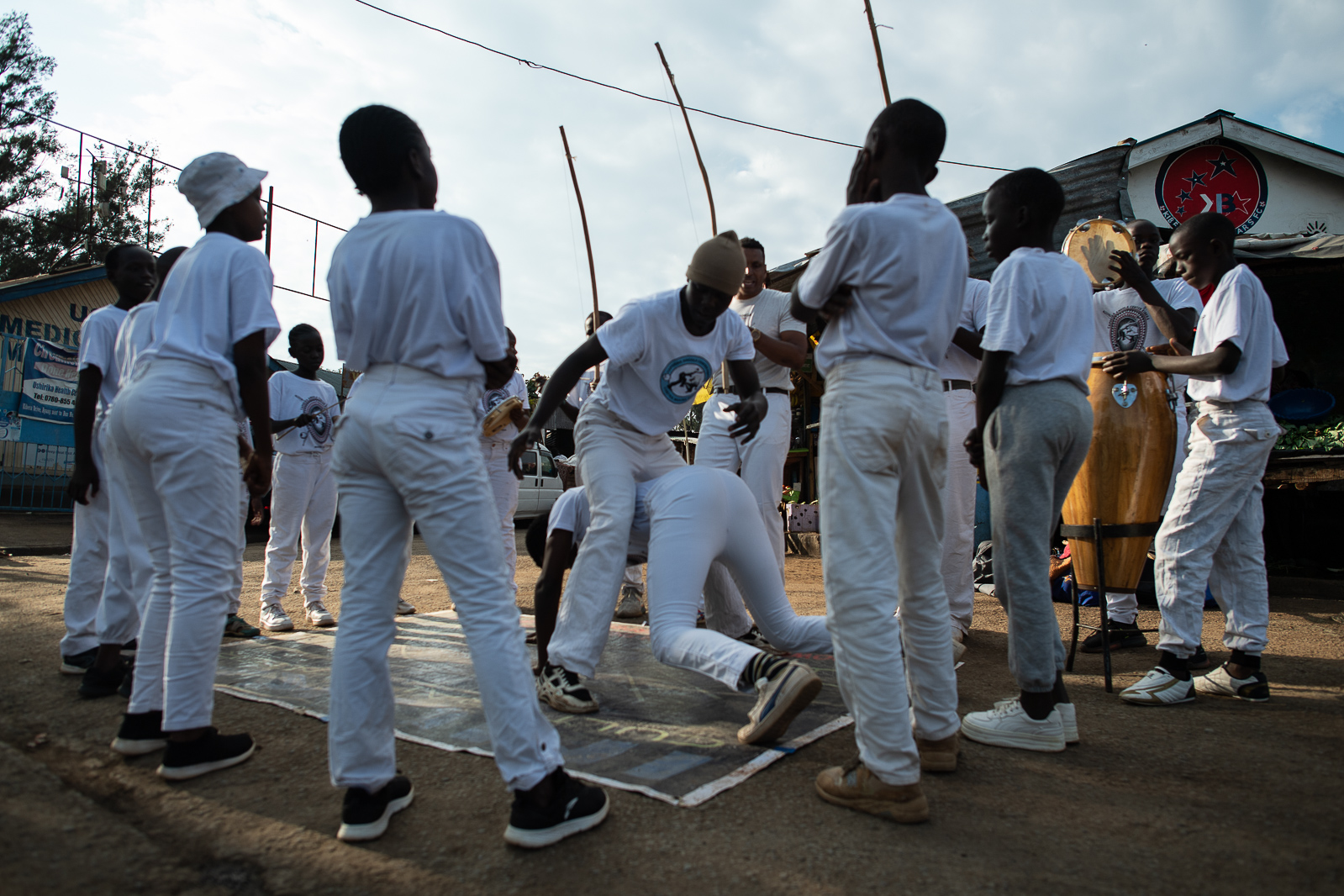
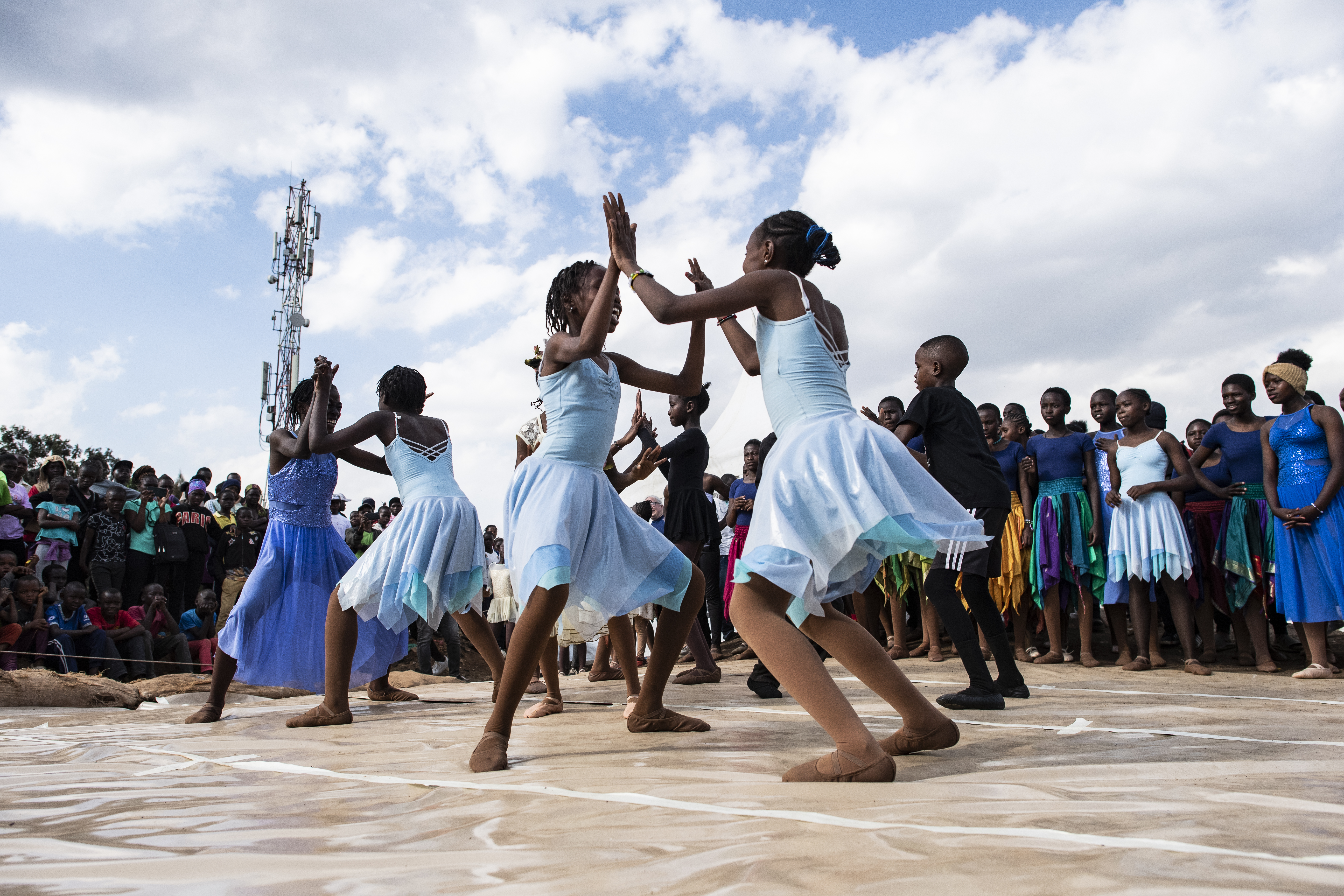
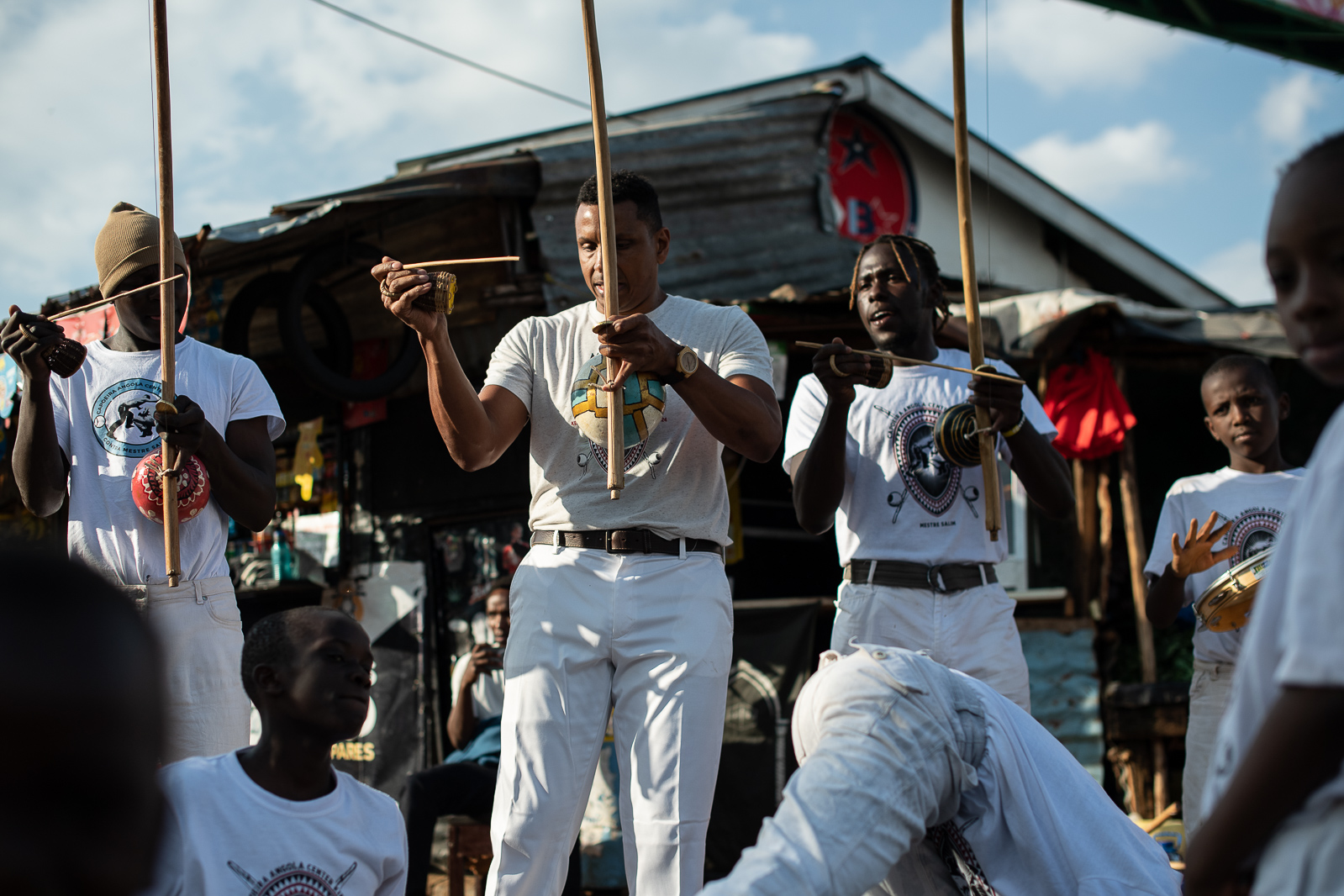
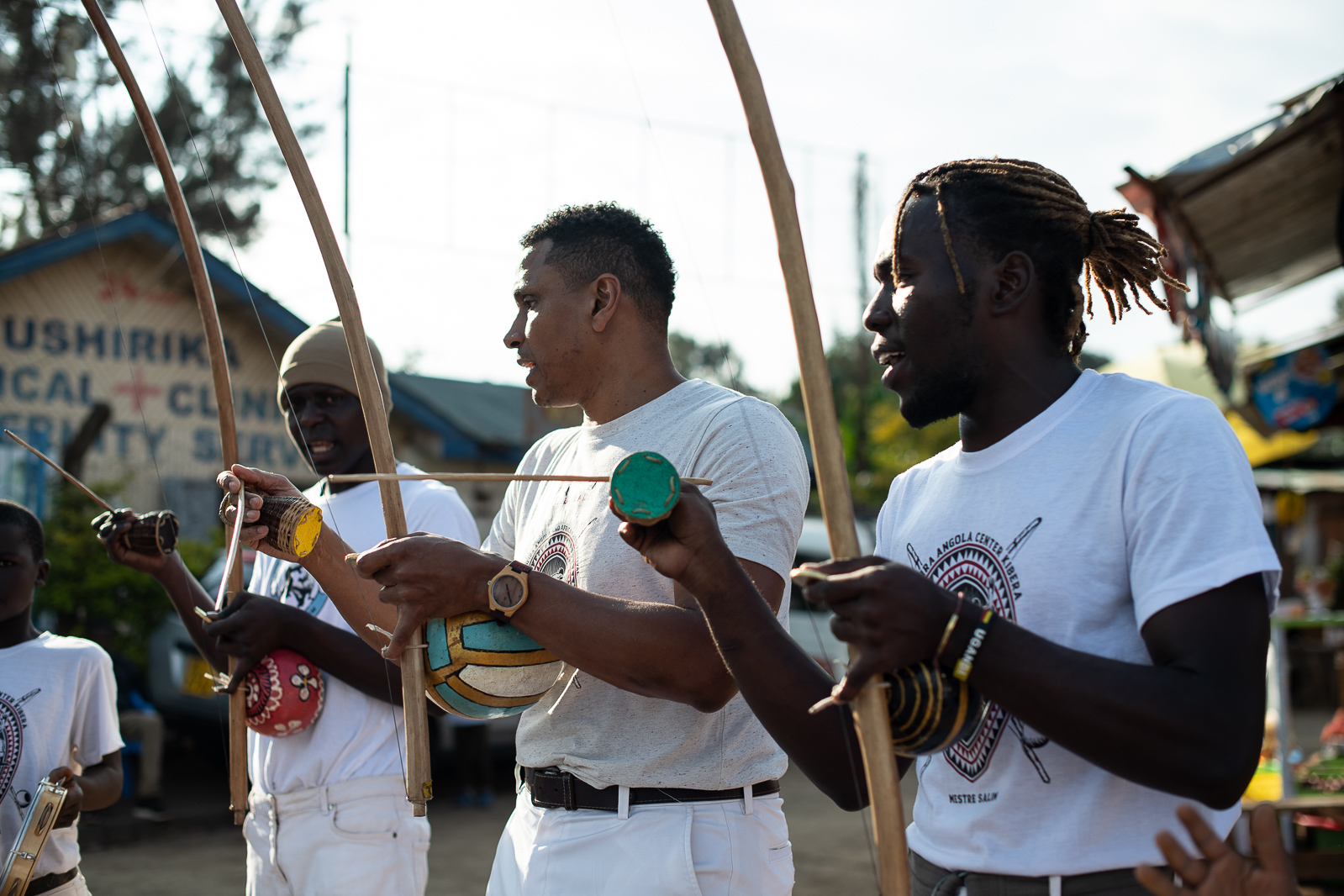
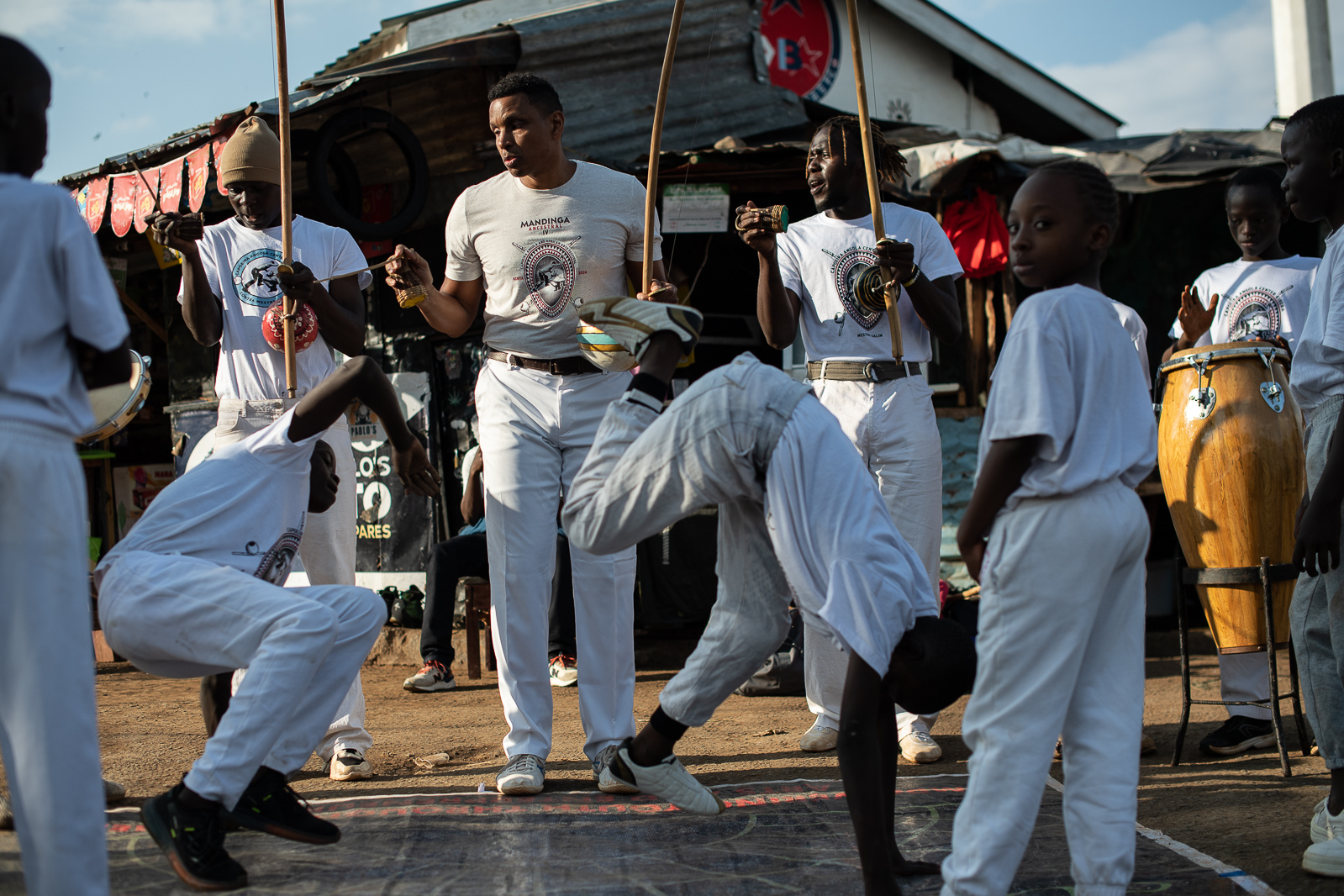
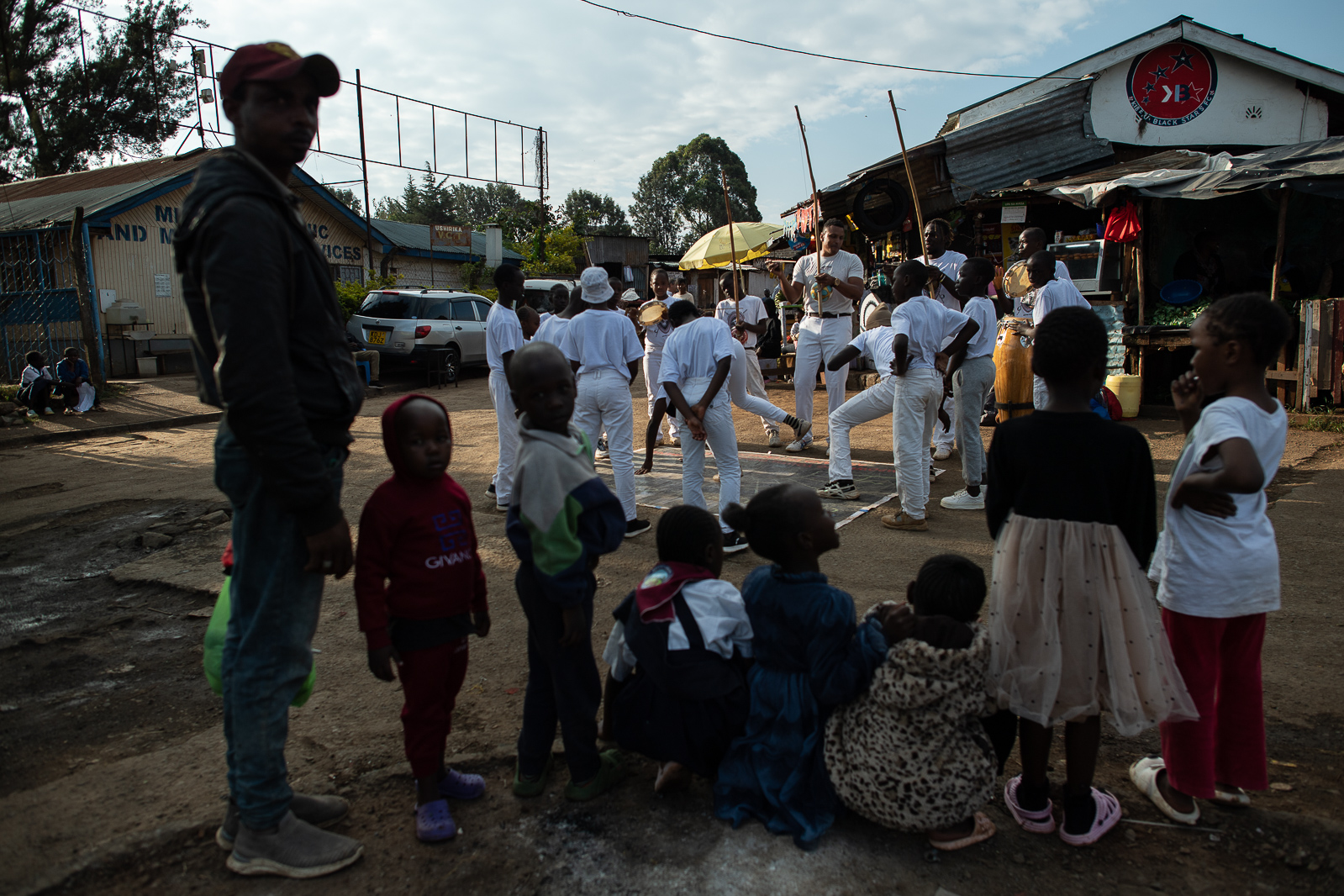
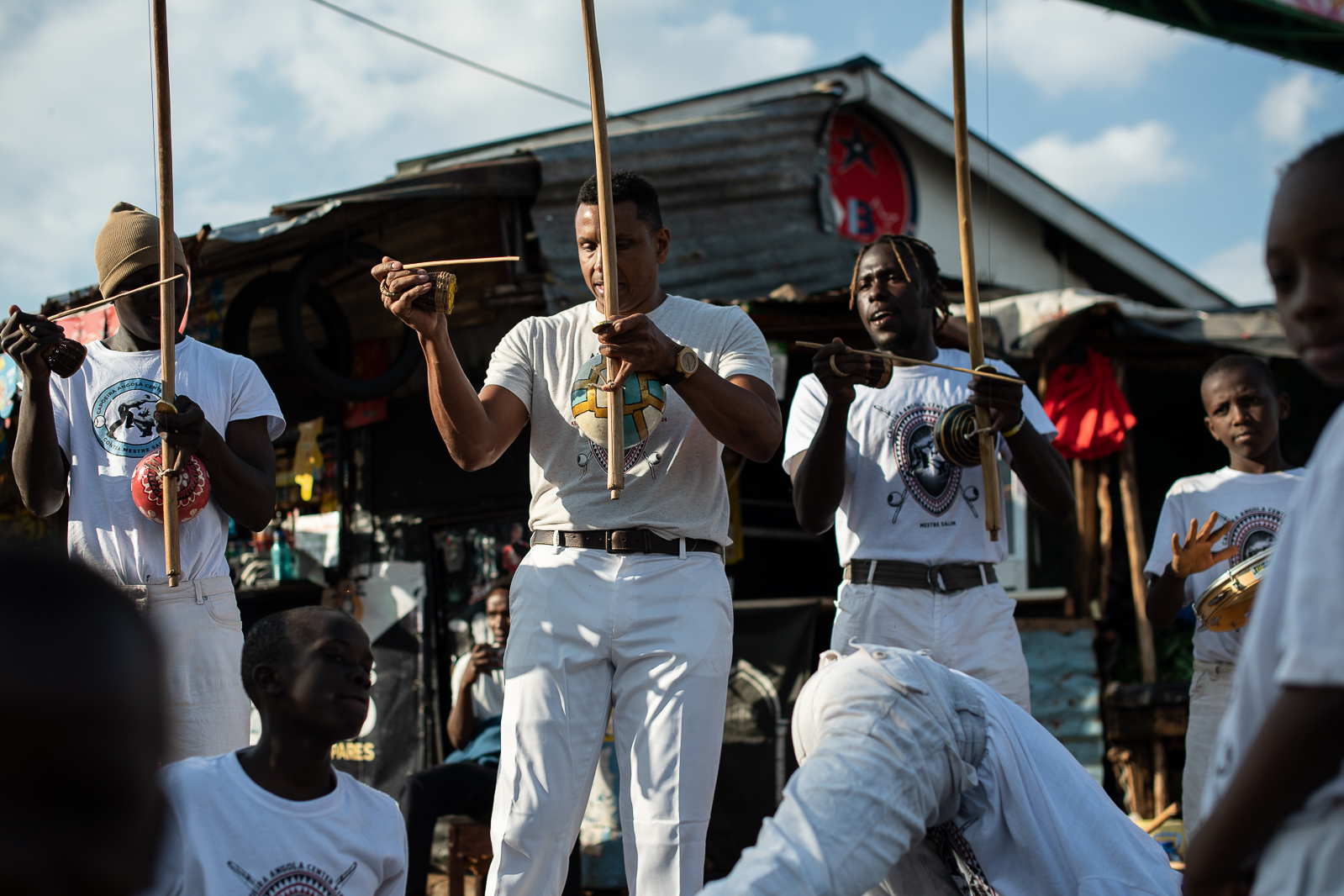
In recent years, entirely new vocabularies of movement have arrived on these streets, carving out unexpected spaces alongside tradition.
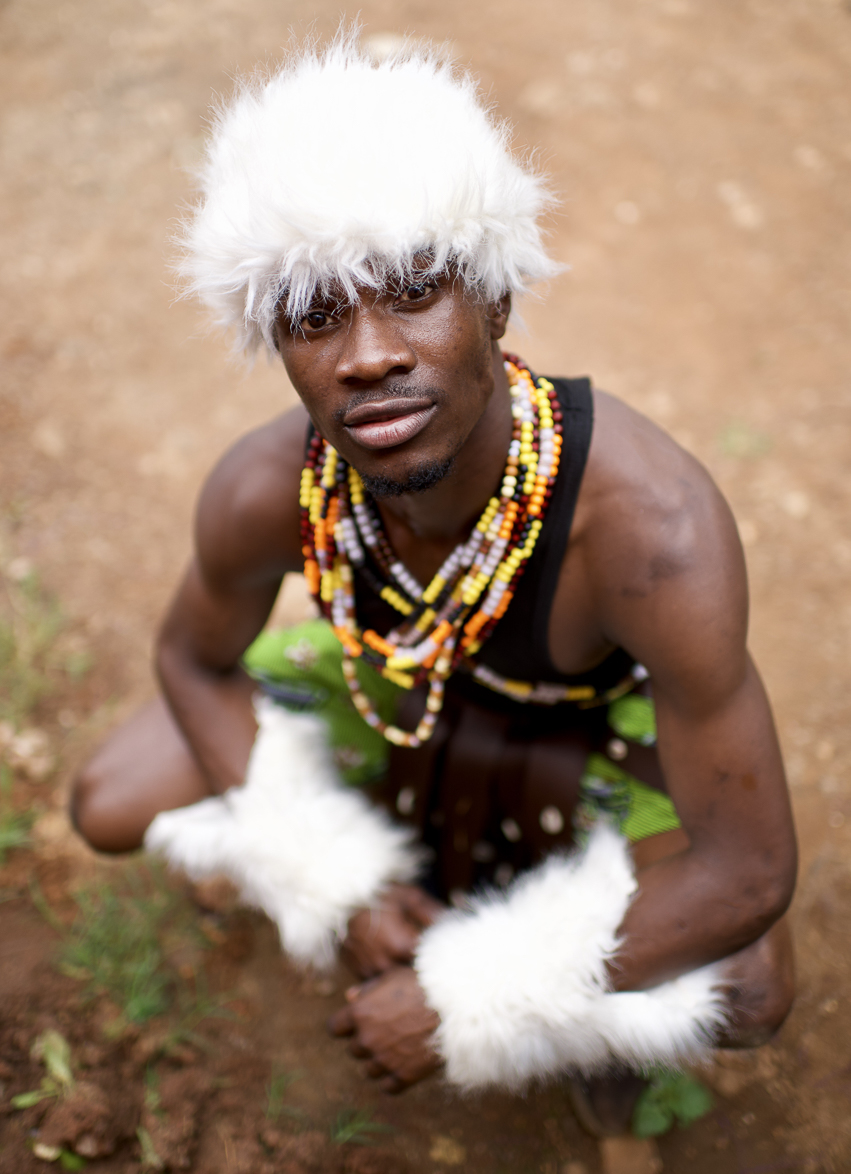
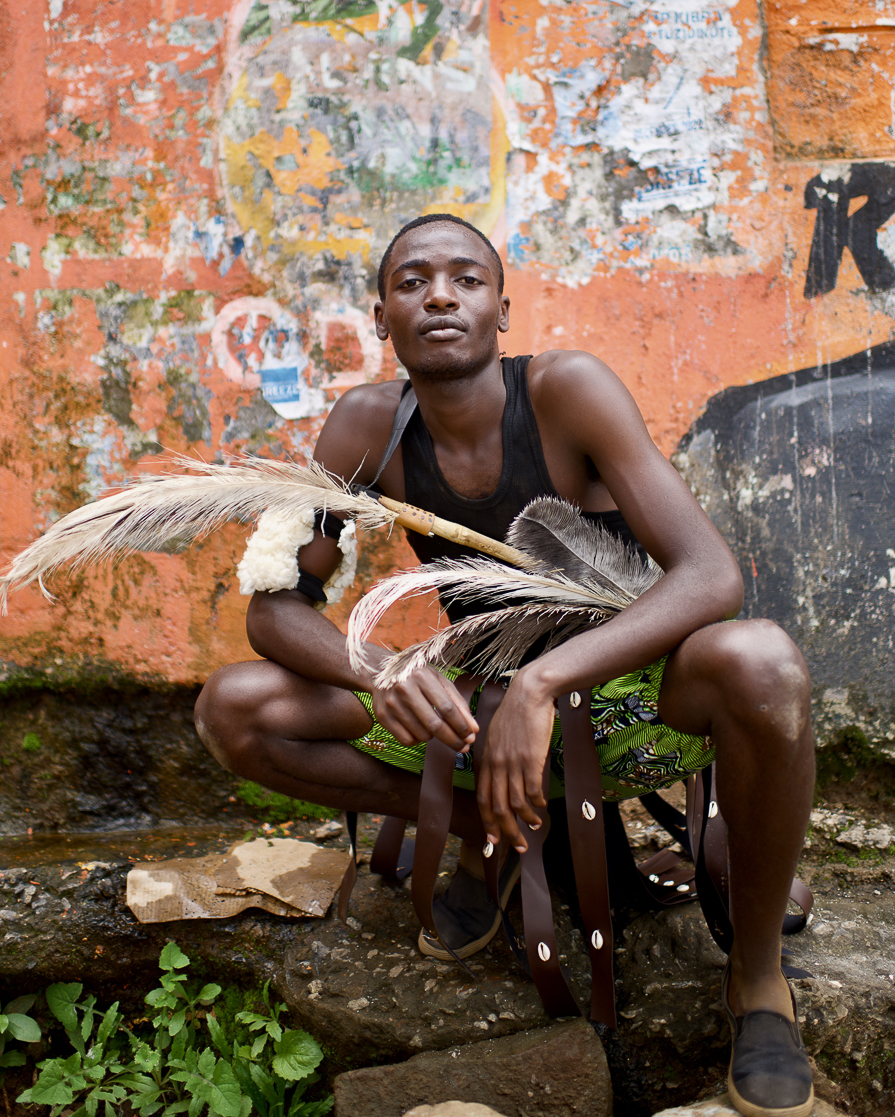
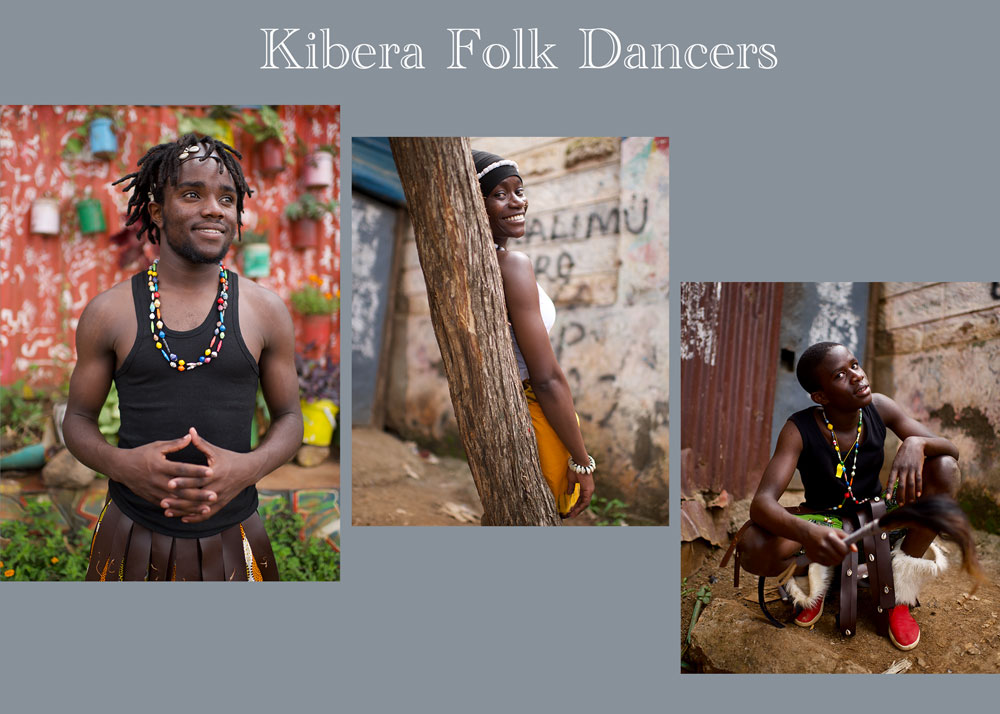
A premier force leading this traditional preservation is The Kibera Folk Dancers (KFD). As a prominent local ensemble, KFD operates with a clear mandate: to keep indigenous music, rhythmic storytelling, and historical dances alive for an urban youth population.
By introducing these non-traditional movements, community leaders are facilitating a profound cultural exchange that offers the youth a completely new vocabulary for their lives. Rather than isolating local talent, these international art forms connect dancers to global networks of artistic expression, creating a two-way dialogue where Kenyan youth reinterpret classical forms through their own lived experiences.
These spaces of practice and expression of the dances provide physical fitness, protect mental health, and spark essential conversations about identity and belonging within a globalized world. In a rapidly changing urban landscape where open spaces are disappearing, safeguarding these creative safe havens is vital. They ensure that the next generation can continue to grow, heal, exchange ideas across borders, and leap toward a brighter future.Capoeira in Kibera completely subverts this model by executing a direct South-South subaltern dialogue between Brazil and Kenya, bypassing Western institutional mediation. The bodies of these young practitioners serve as a somatic archive, bridging centuries of separation by re-assimilating rhythms and movements that were strip-mined from the continent generations ago.
← Back to Top Stories
Read next
The Blueprint, Why Kiberanet
With the dynamic shifts occurring in visual journalism today, it is becoming increasingly vital that we harness the power of local storytelling.