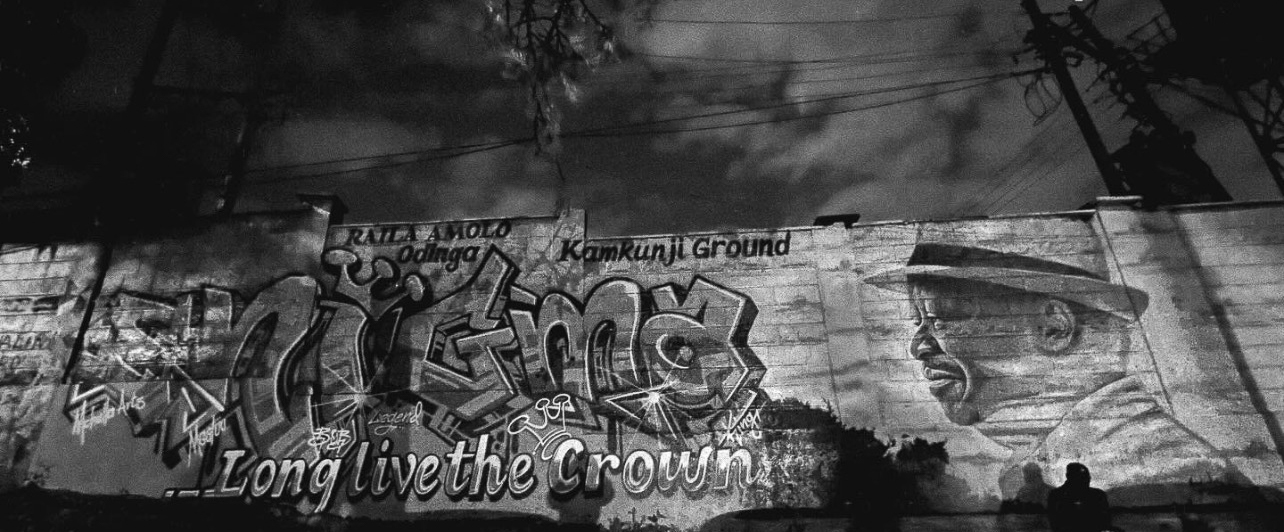
Silhouetted against a luminous memorial screen, a grieving congregation gathers to honor the legacy of Raila Amolo Odinga, whose decades-long political journey is commemorated under a vivid blue light that casts a solemn, reflective glow over the collective loss of his followers.
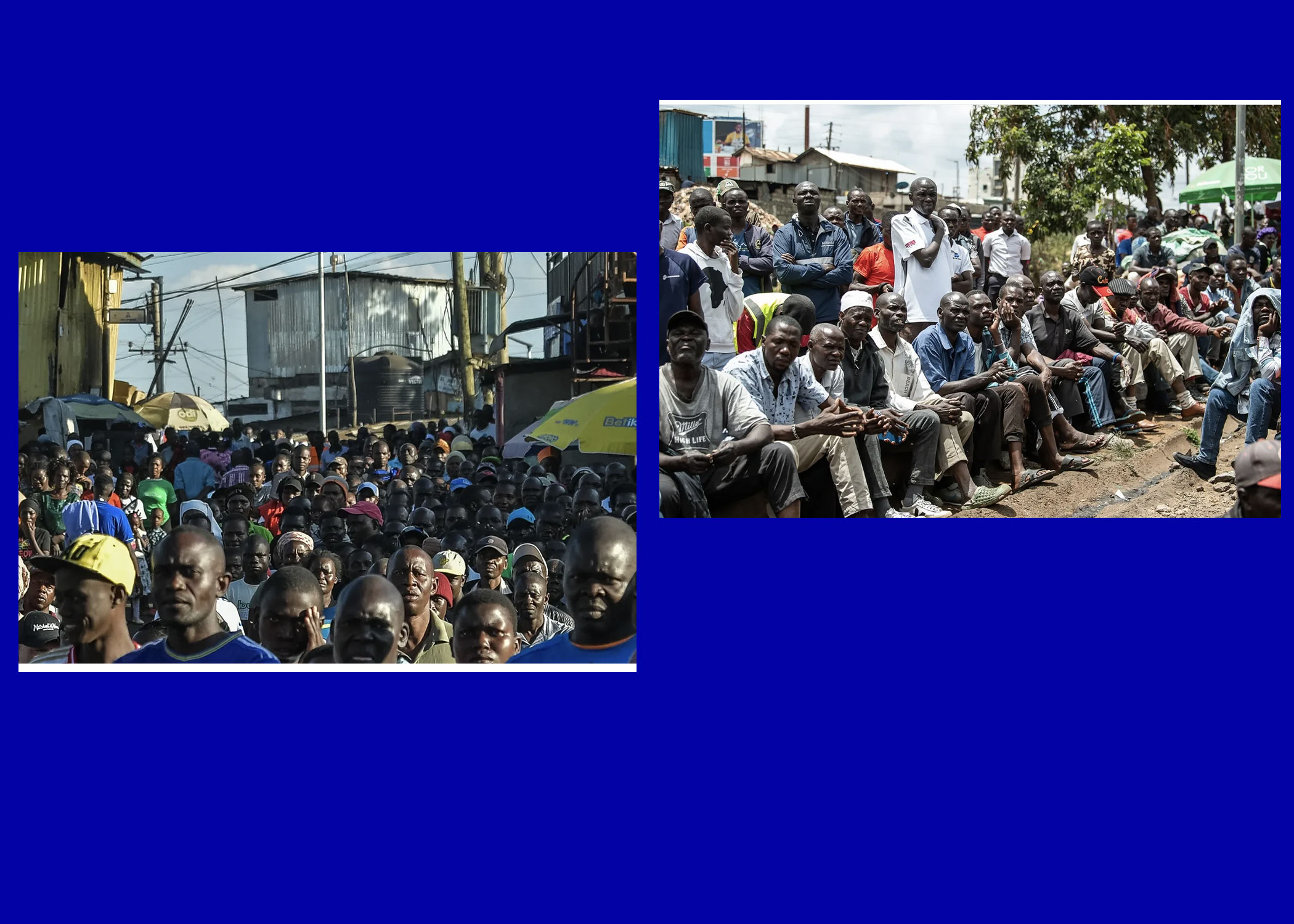
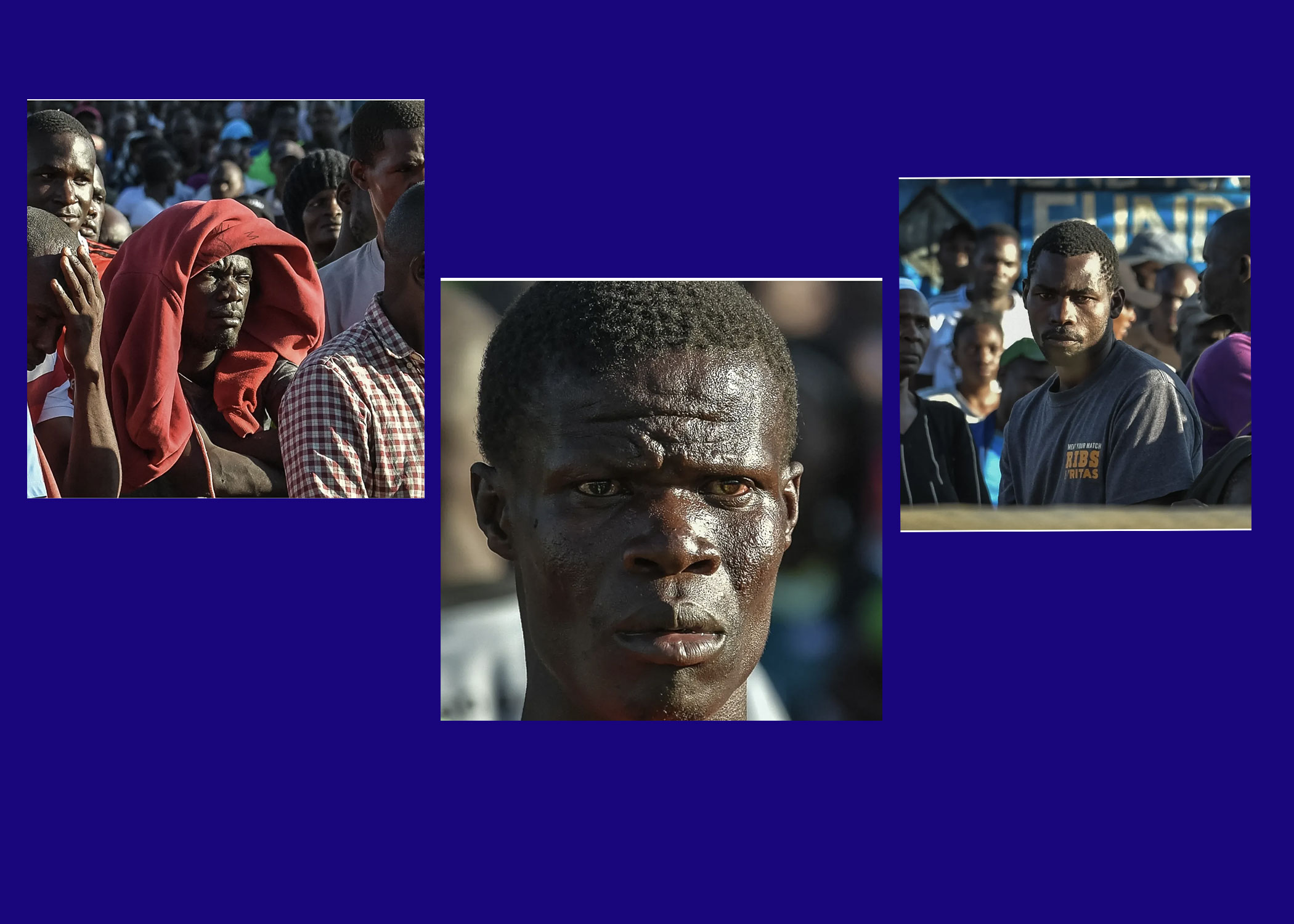
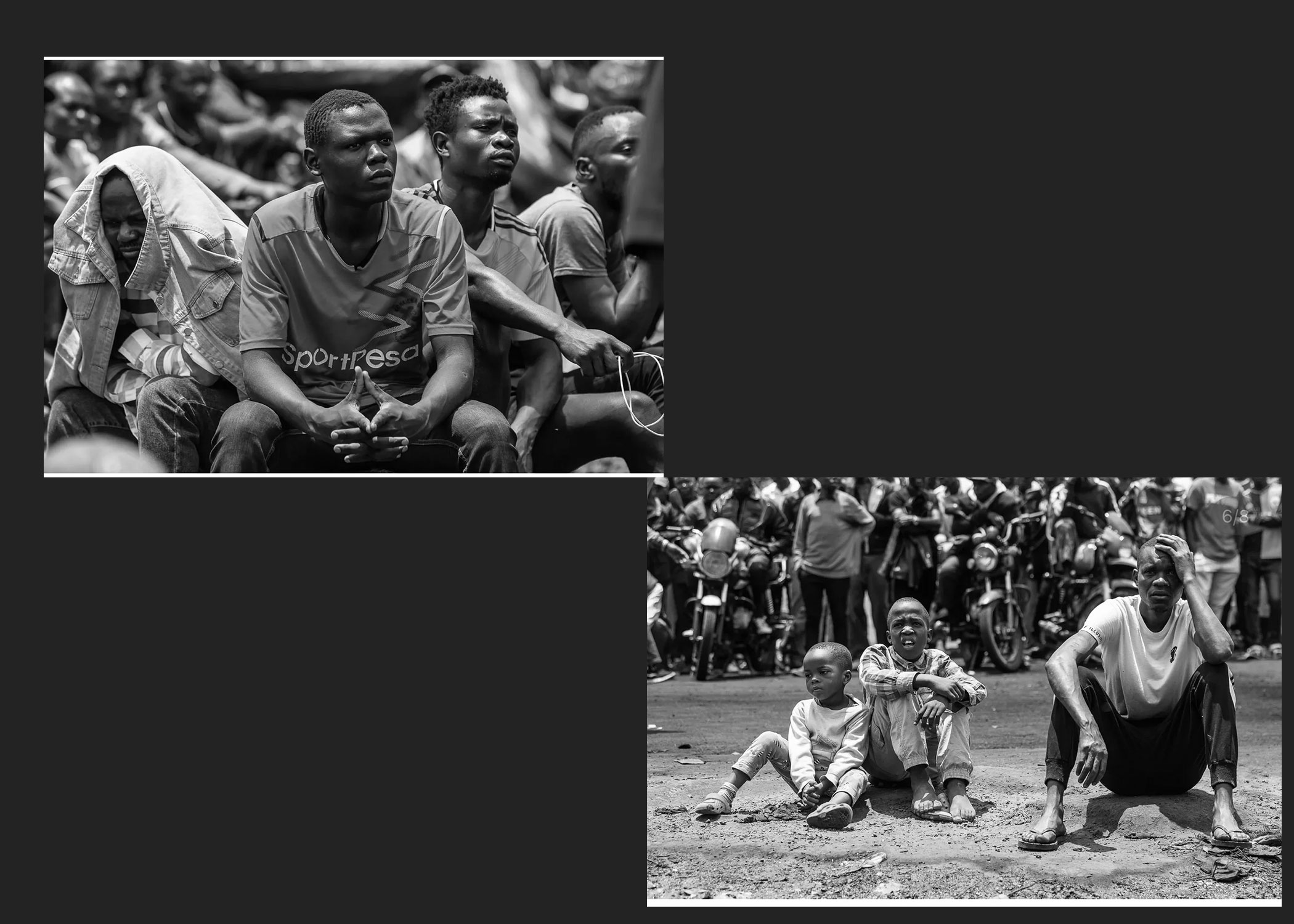
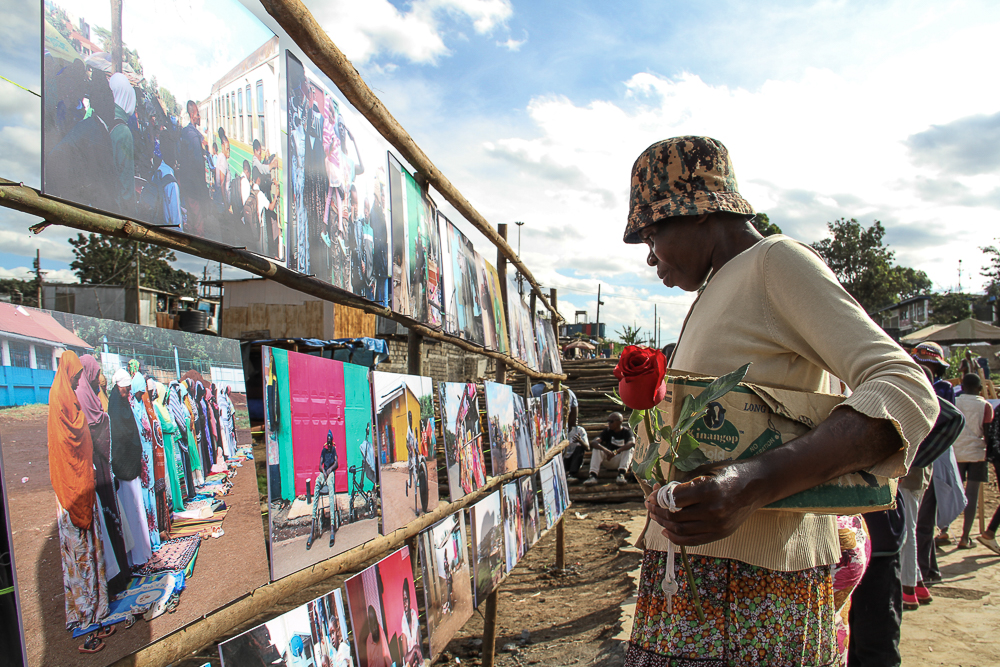
This phenomenological shift is best understood through the lens of collective grief. Unlike individualized bereavement, the mourning observed within Kibera operates as an interconnected, communal mechanism of coping. The shared loss of a political icon threatens the collective efficacy and forward-looking narrative of the community, destabilising the socio-emotional anchor that has long fortified residents against systemic adversity.A sea of solemn faces fills the streets of Kibera, where community members gather in shared grief and quiet solidarity to navigate the profound social and political void left by their departed leader.To process this void, the community relies on endogenous healing mechanisms rooted in solidarity, public memory, and communal dialogue. Understanding this intersection of political devotion and psychological resilience is crucial for mapping the contemporary emotional landscape of urban Kenya, illustrating how communities dynamically re-author their futures in the wake of monumental structural shifts.The deep sorrow and disbelief in the eyes of these young men from Kibera show a raw, shared grief, leaving a generation that only ever knew his leadership to face an uncertain future.To process this void, the community relies on endogenous healing mechanisms rooted in solidarity, public memory, and communal dialogue. Understanding this intersection of political devotion and psychological resilience is crucial for mapping the contemporary emotional landscape of urban Kenya, illustrating how communities dynamically re-author their futures in the wake of monumental structural shifts.The heavy silence of children and young men sitting by the roadside reflects a deep, shared sense of loss that spans across generations.To process this void, the community relies on endogenous healing mechanisms rooted in solidarity, public memory, and communal dialogue. Understanding this intersection of political devotion and psychological resilience is crucial for mapping the contemporary emotional landscape of urban Kenya, illustrating how communities dynamically re-author their futures in the wake of monumental structural shifts.
This series explores the profound psychological vacuum and emotional shifts taking place on the ground. Through personal essays, community conversations, and quiet portraits, we look at how a neighborhood processes deep collective bereavement, confronts a sudden ideological void, and dynamically begins to rebuild its future from within.