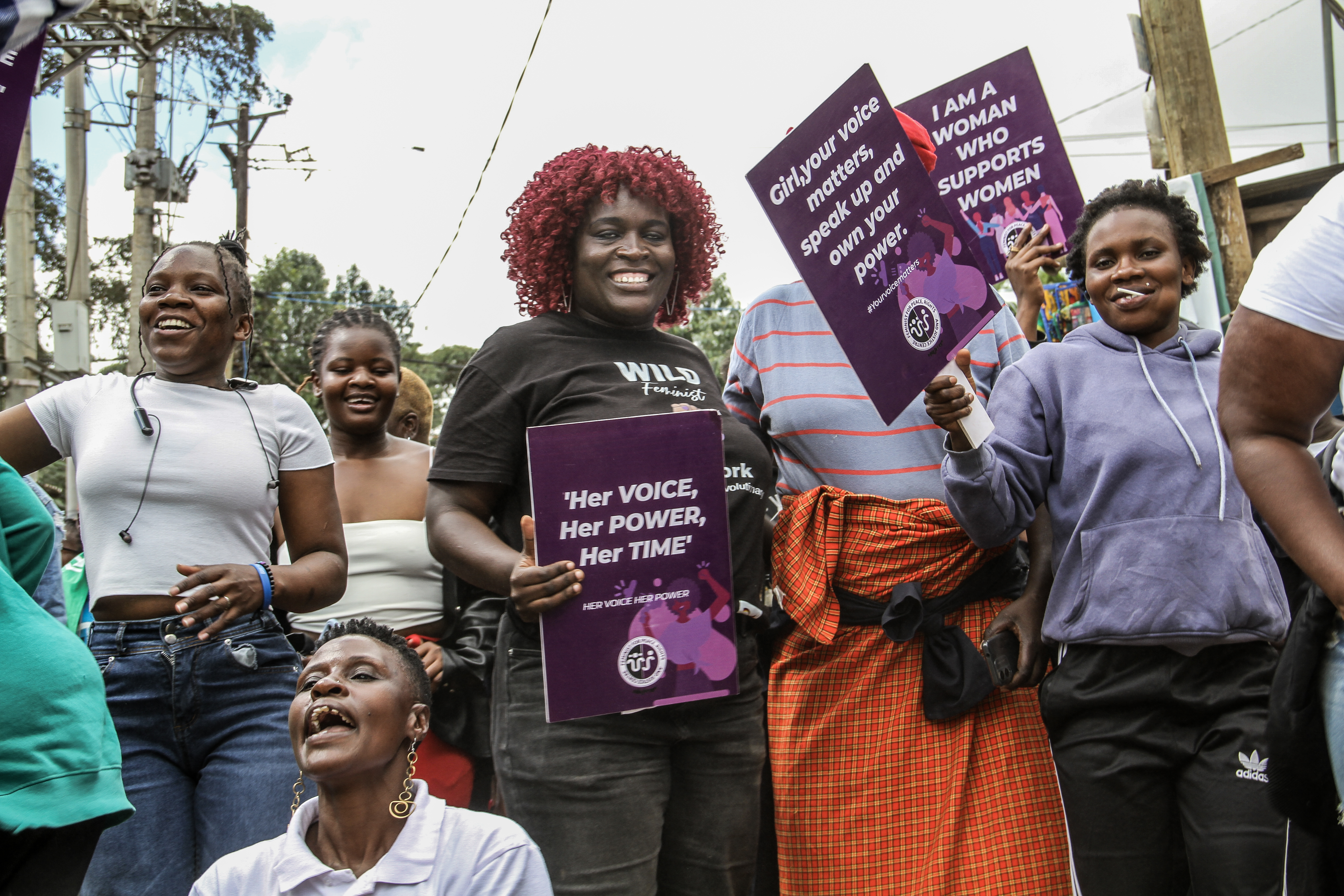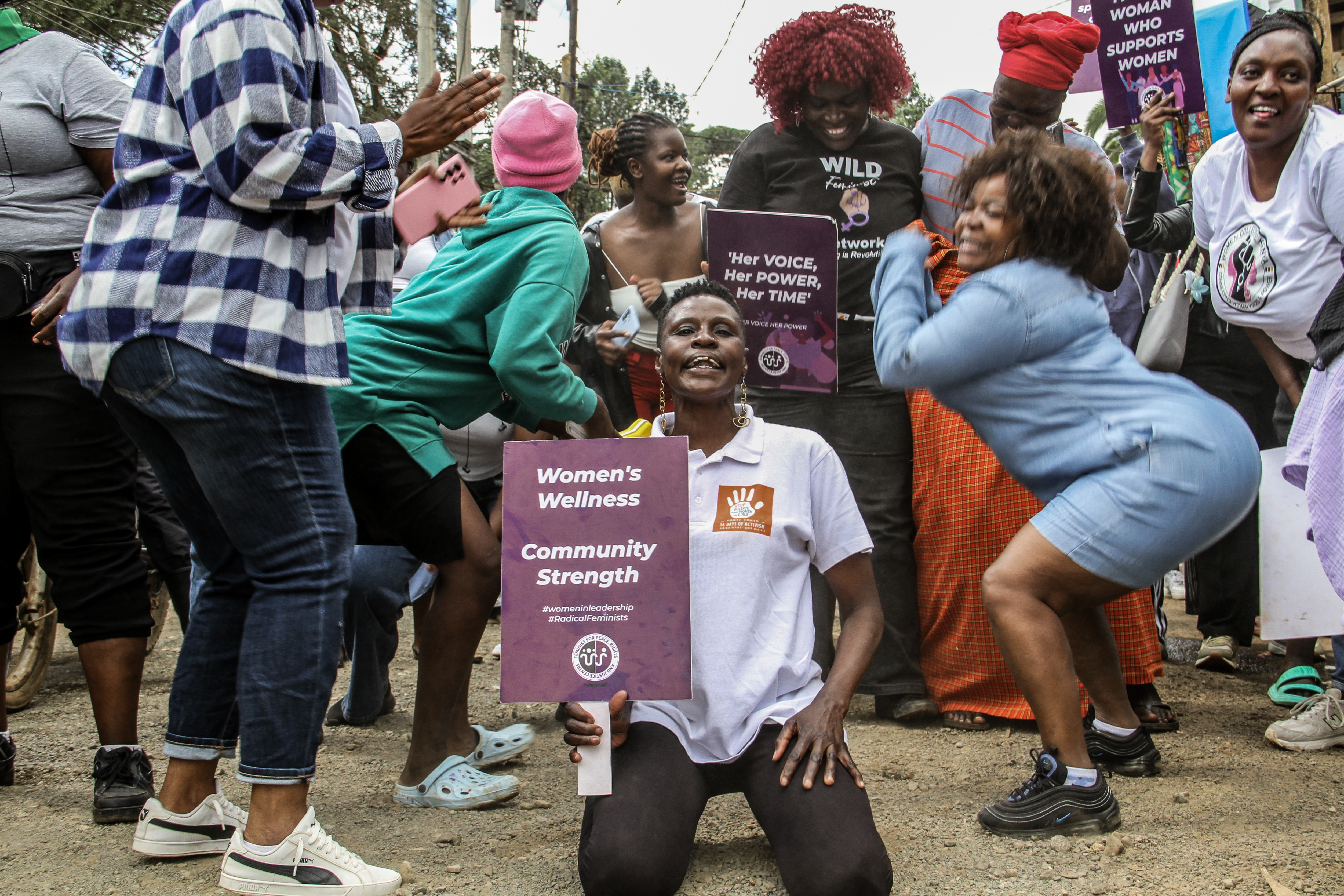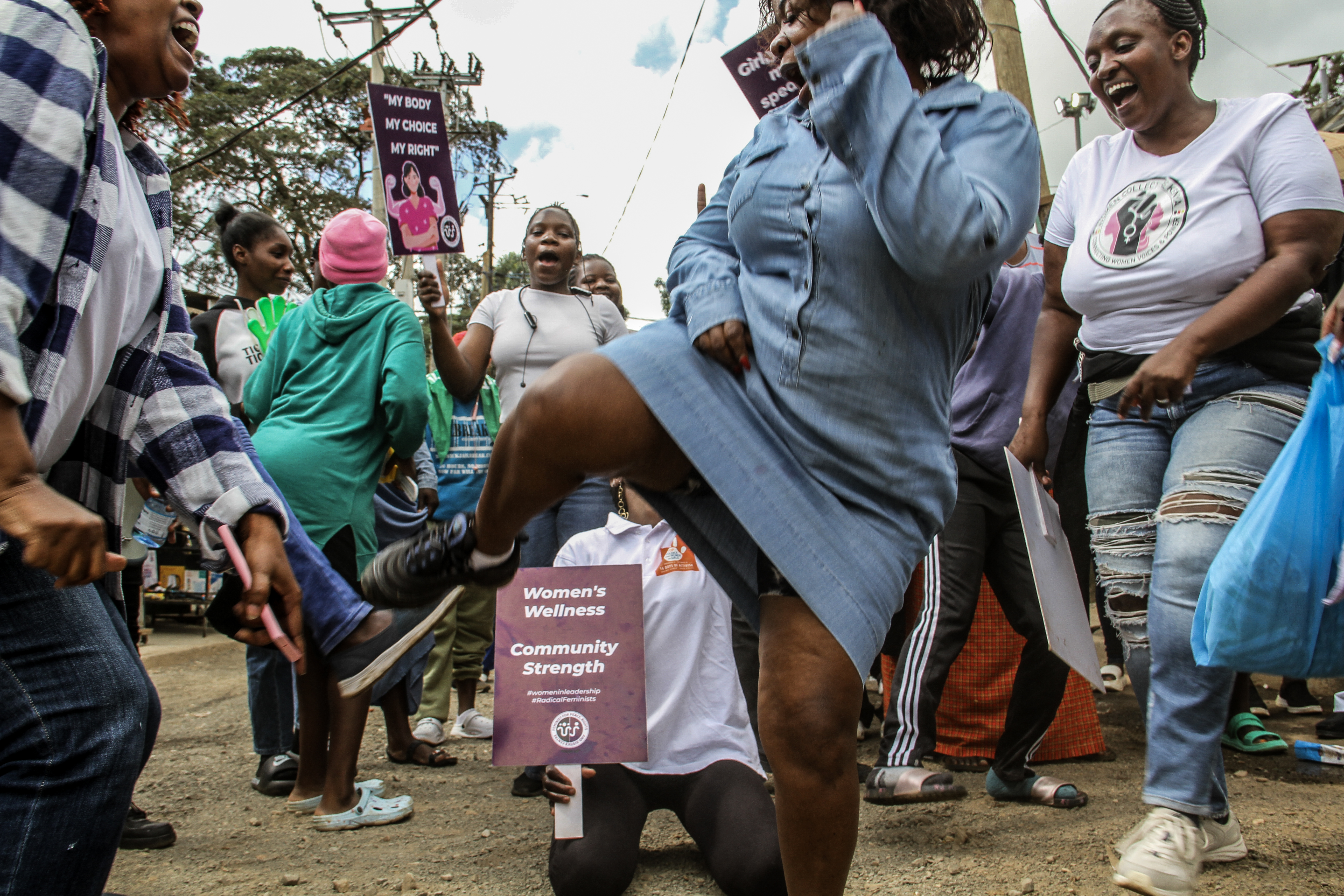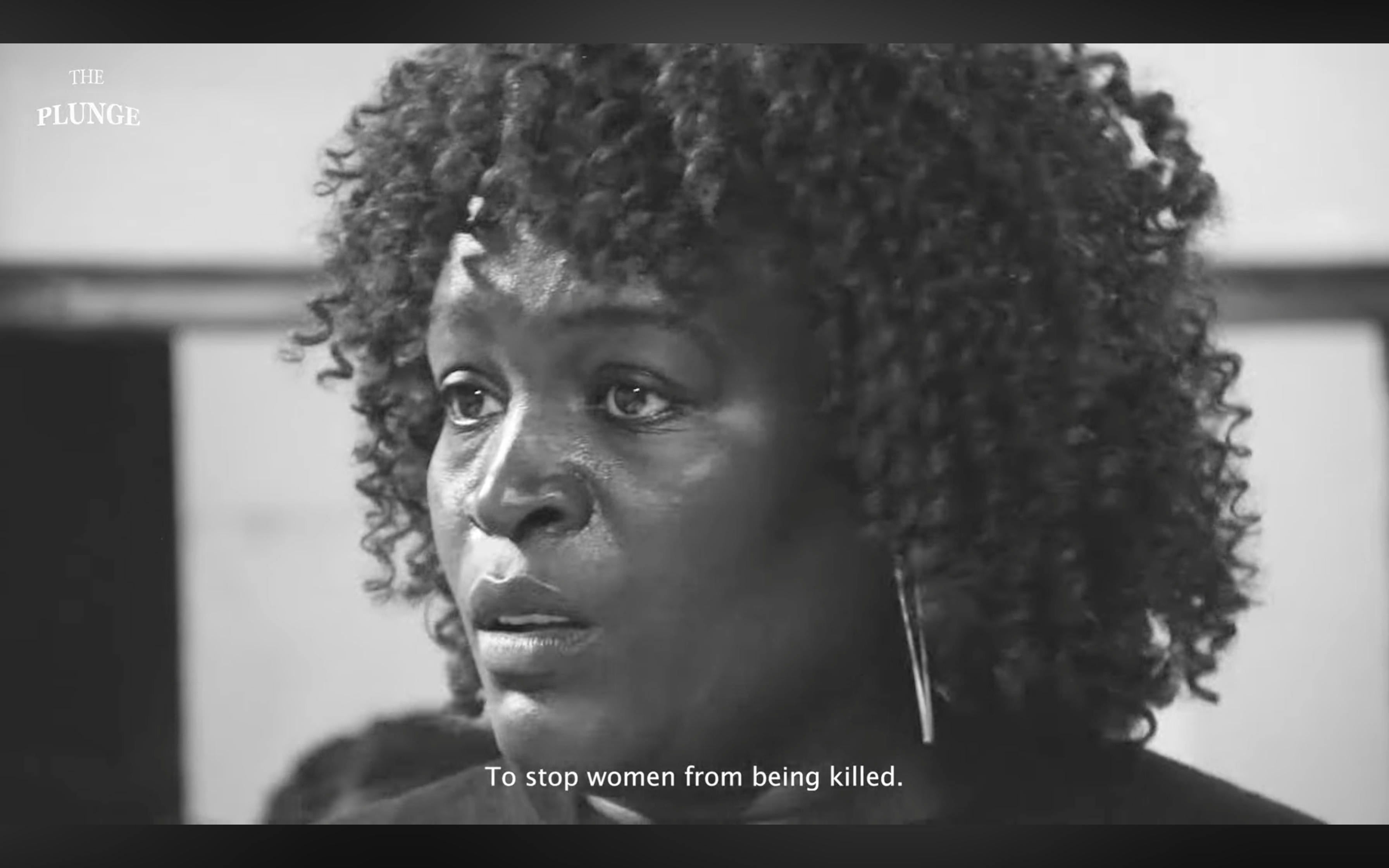
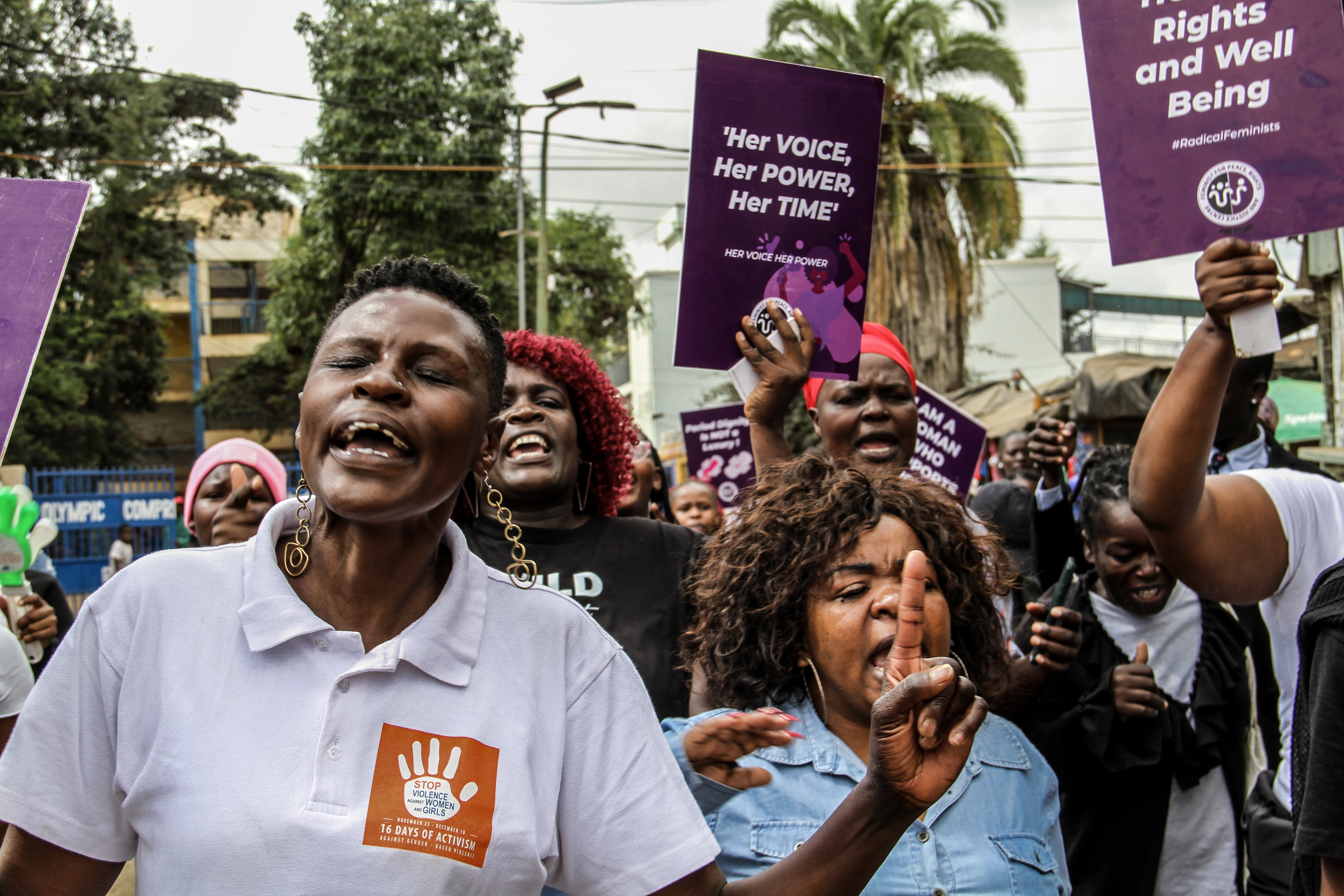
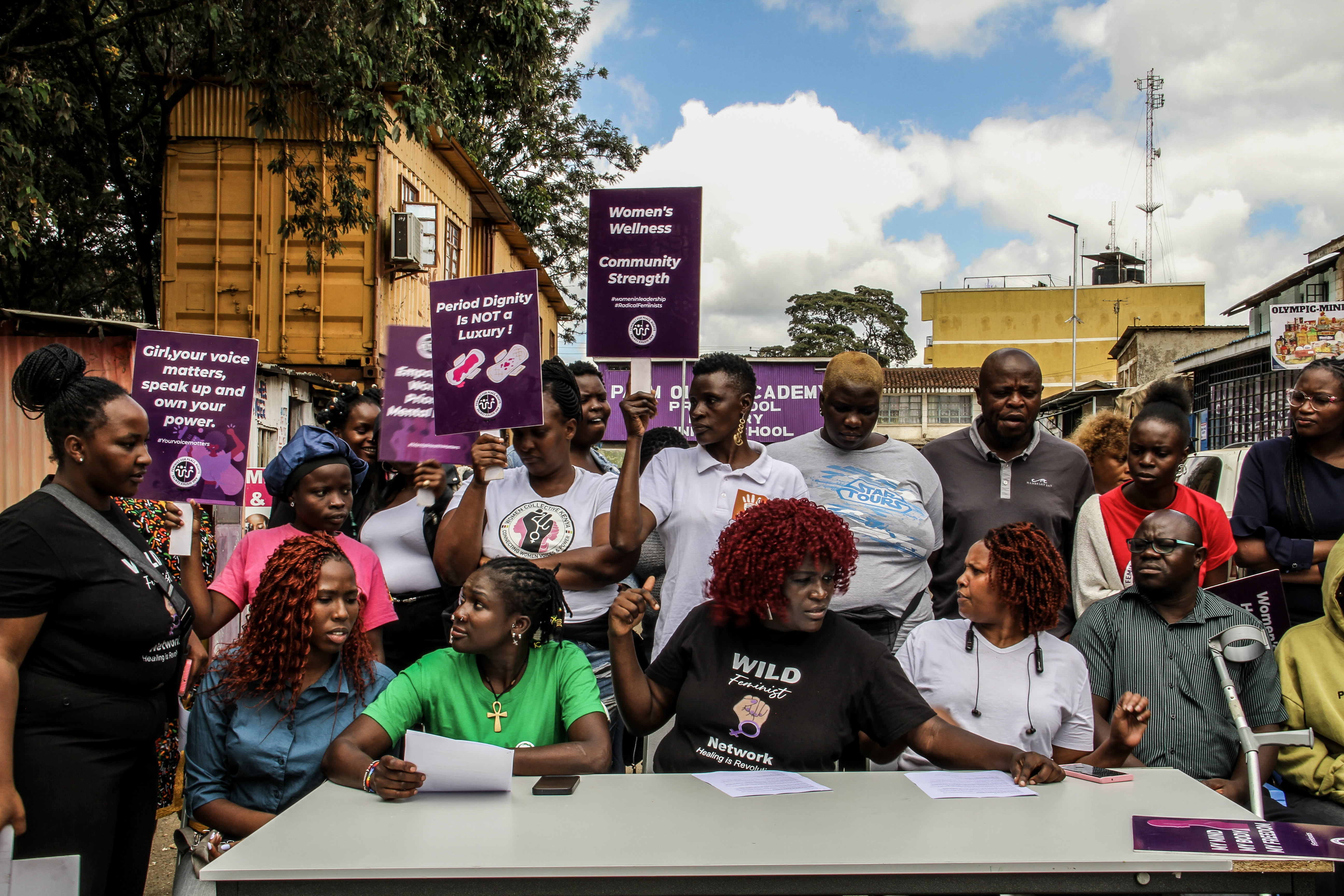
What really influenced me to write a profile on Editer was a TikTok post I came across titled African Feminism for Dummies. The key point was how society handles women who advocate for themselves. They are often perceived as mean or insecure, supporting the idea that men do not accept retaliation.
For all the years I’ve known her as a woman living in Kibera, she has always embraced a tenacity toward creating a just world, especially for women in low-income areas. Though known mostly as someone who fights for women's rights, her engagements on social media demonstrate that she cares equally about both men and women’s issues.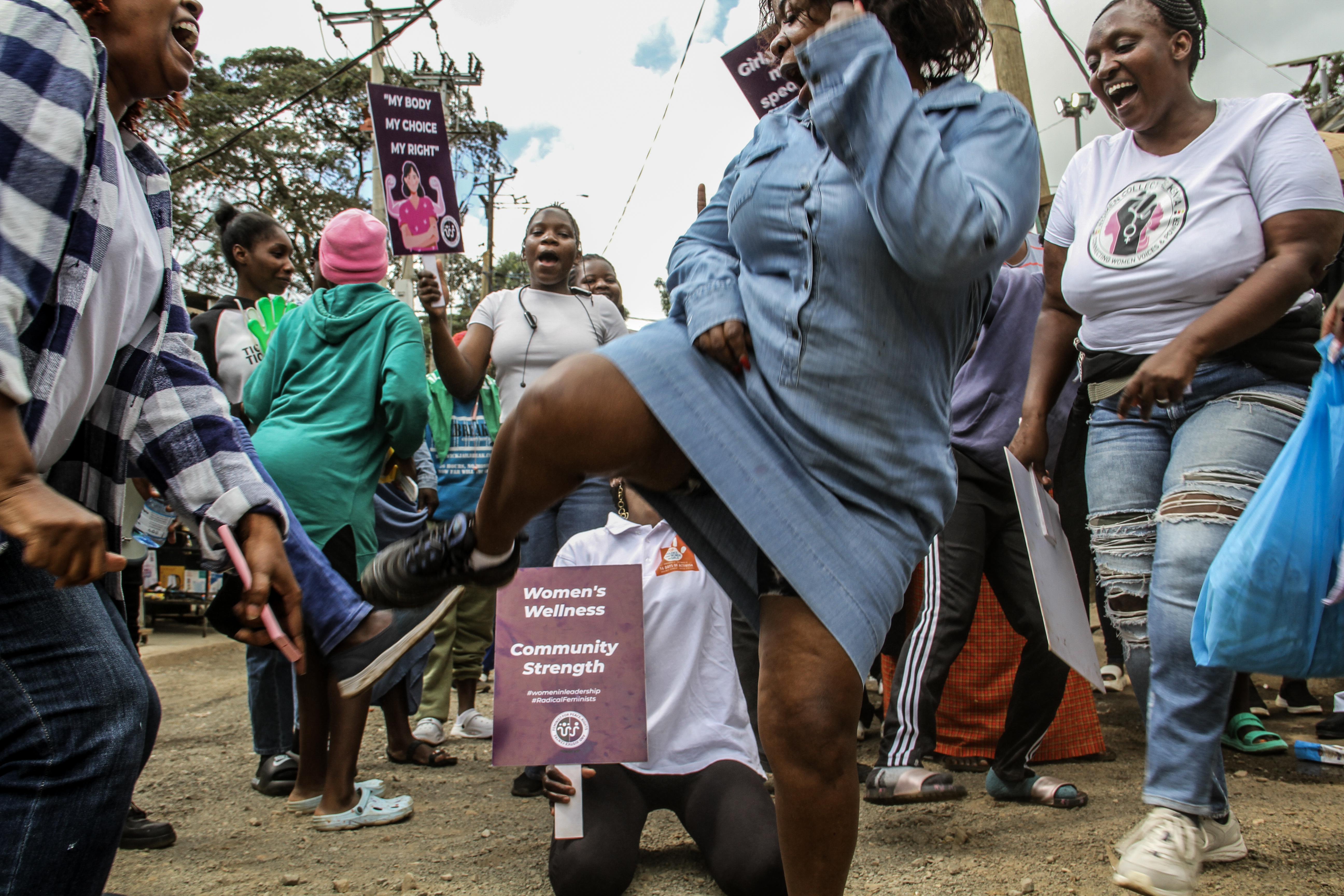
Editer is an articulate, thoroughly modern leader who knows the exact threats women face today and how to handle them. She stands firmly for everyone—from women grappling with unfair workplace standards in modern offices to young girls navigating danger from guardians in the slums.
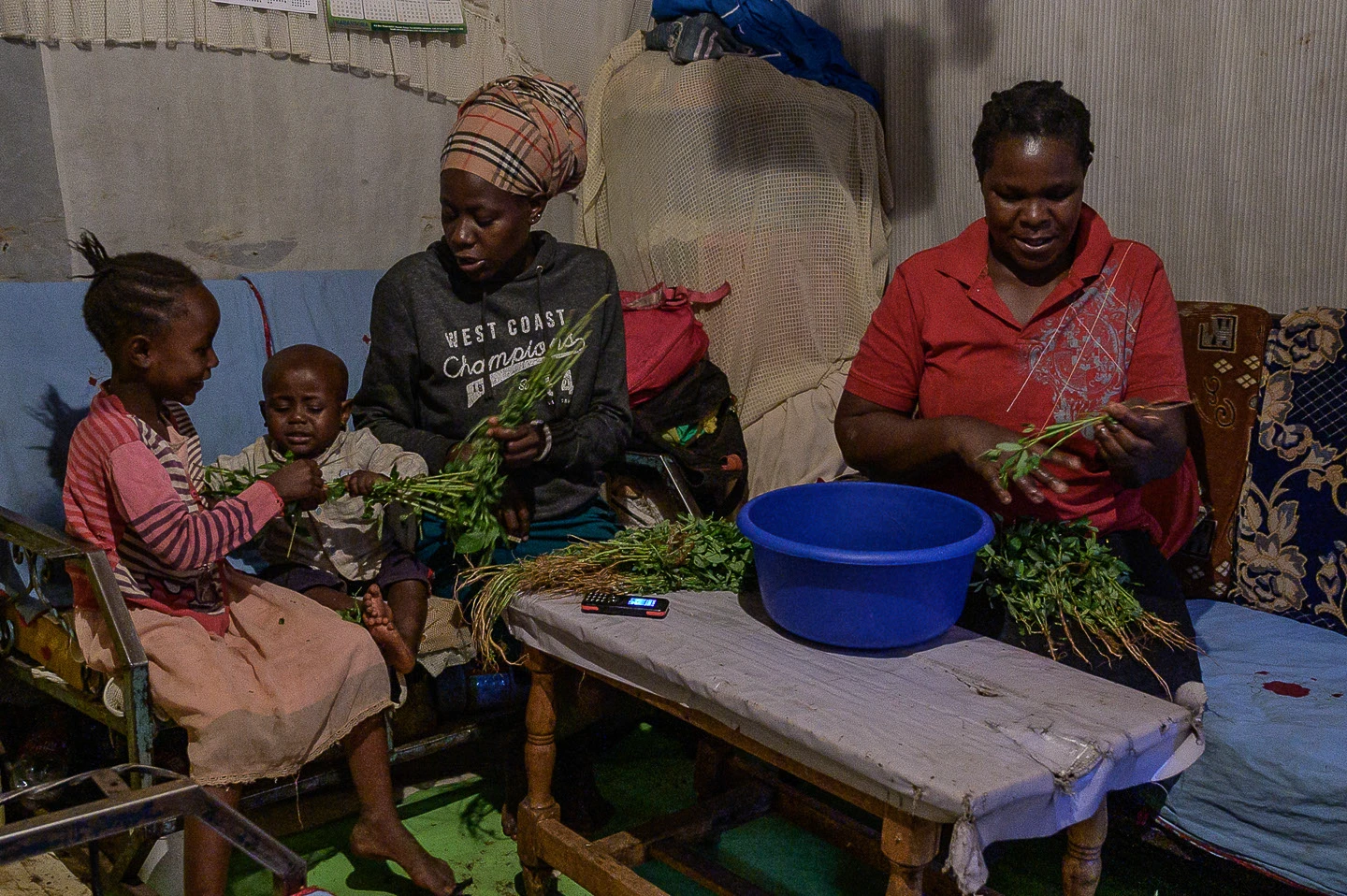
The fight for women's rights in Kibera also extends to preserving human dignity in the face of sudden crisis. When forced evictions occur—such as the railway clearances that created the vulnerable, makeshift community at the Wanakolo dumpsite, women bear the heaviest burden.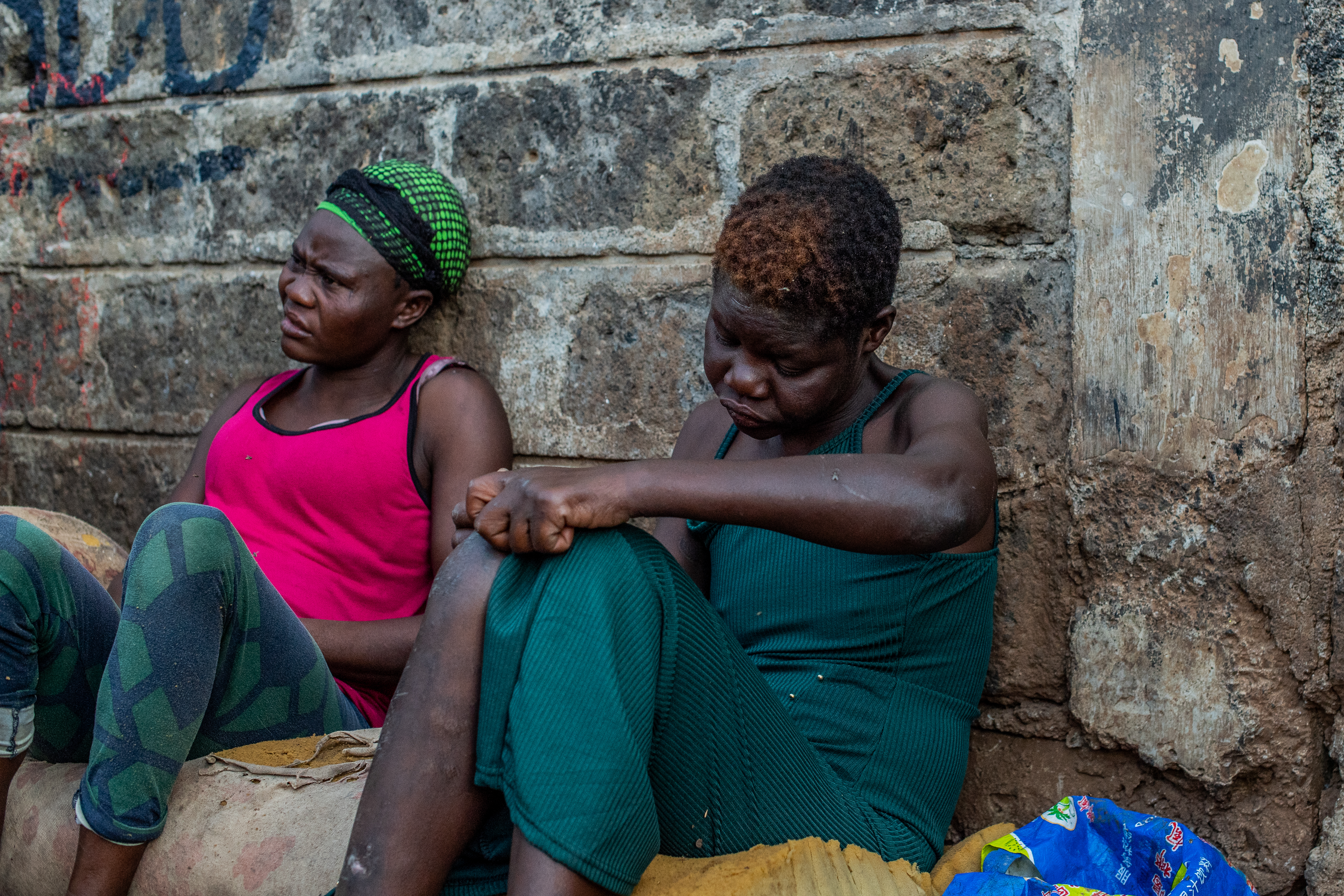
During the early years when the center was starting, not many girls were coming out openly. They had known of situations where they were already too far gone for rescue. Editar noticed this, and she and her team have been walking the streets to make more people aware. Because of this, more and more girls are coming forward. With these added activities and a widening network of contacts, Editar shares an ambition to expand the center into its own building.
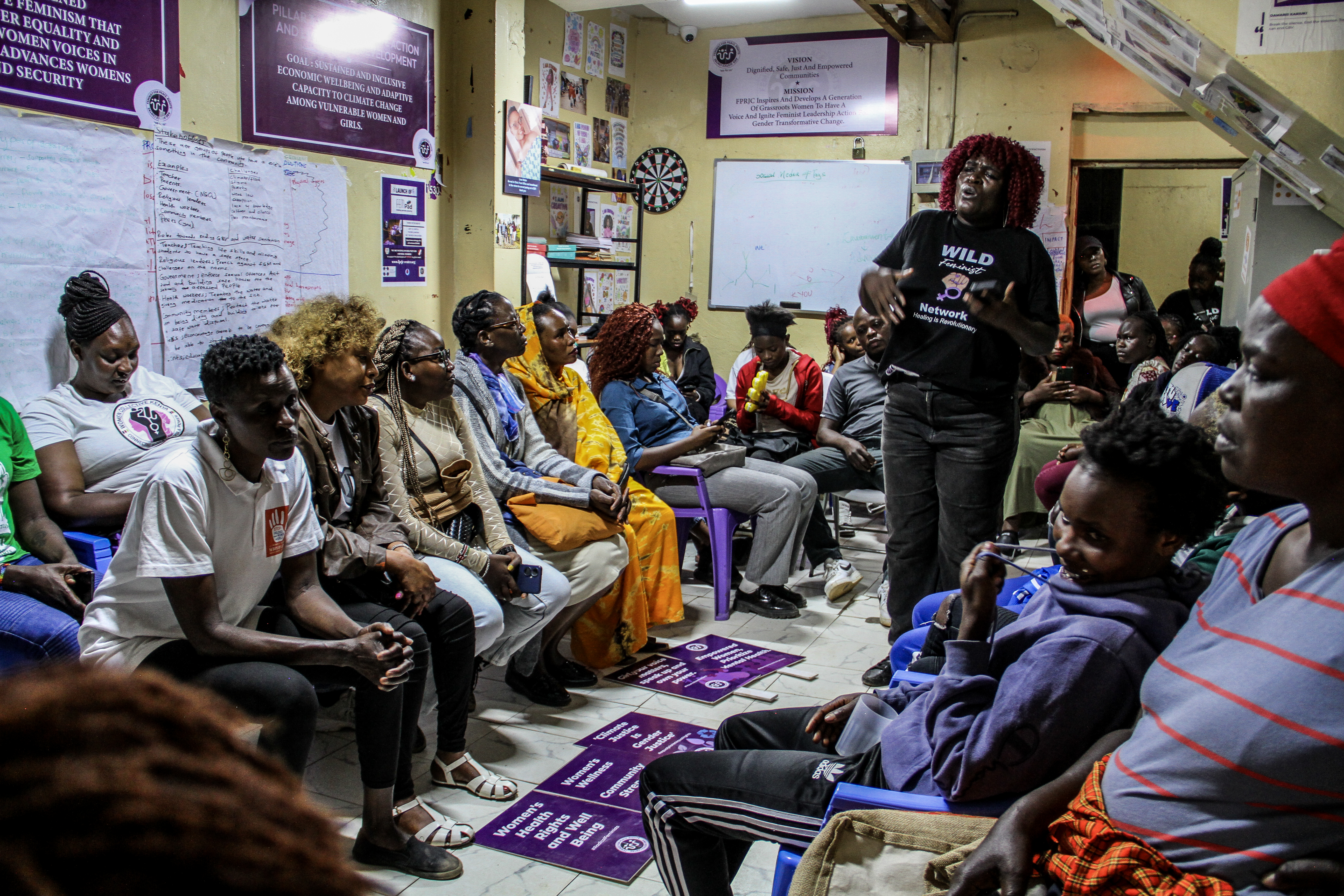
Editar stands firmly on the idea that female ambition and marital status should never be tied to a man’s presence in a woman’s life. In closed, safe spaces with the girls, she openly talks about sex, sexual positions, and pleasure. She encourages the girls, reminding them that they were never meant to navigate these struggles alone. Words like "toa kutu"—the act of satisfying sexual hunger - are always thrown around during these moments.
Editar has a family of her own, including daughters whose successes she proudly shares online. Even mid-interview, she receives a call and summarizes her advice at the end with a sharp warning: "Wacha kucheza na vijana kama hao, shughulika na kazi yako" (Stop playing around with boys like that, focus on your work). During that single call, she touches on inheritance, partner infidelity, and unlawful dismissals.
Editar surrounds herself with many women whose personal struggles and deep concerns she knows by heart. They are opinionated just like her, able to bring forth their ideas without fear. Awinja, one of the girls given the floor to speak, articulately shared her struggles with hospital visits. No one in the room wanted to miss a single second of the five minutes she spoke.
Aware that many women still depend on resources provided by their male counterparts, Editar has initiated a working economic model for girls and young women, offering everything from computer classes to business mentorship. Today, the center actively attracts girls to learn IT skills and sell merchandise.
Her role puts her in a dangerous position in society, but she refuses to heed the critical voices and outcries of certain individuals. Furthermore, Editar’s strong belief in equality extends to how she handles disputes between quarreling couples. She addresses both parties fairly, and rarely do these cases repeat.
Her real struggle and triumph are forged in the way she has assembled an independent, strong-willed, and successful group of women - leaders who confidently step into roles that are typically preserved for men.
While the loud politics of the streets often dominate the narrative, it is the quiet, unyielding grit of grassroots women leaders that holds the community together during moments of crisis. For generations, women in low-income urban spaces have operated as the first responders to systemic precarity - organizing emergency mutual aid, creating safe sanctuaries for vulnerable girls, and pioneering economic models for independence. Yet, their battles and triumphs are frequently marginalized, stripped of their true ambition by outside media that treats their lives as mere statistics.
This section is an exercise in visual and narrative reparation. Through deep, unvarnished profiles, we document the local organizers, mothers, and advocates who confidently step into roles typically preserved for men. These are the stories of women who refuse to remain silent, reclaiming their collective dignity and rewriting the future of their neighborhood from the inside out.