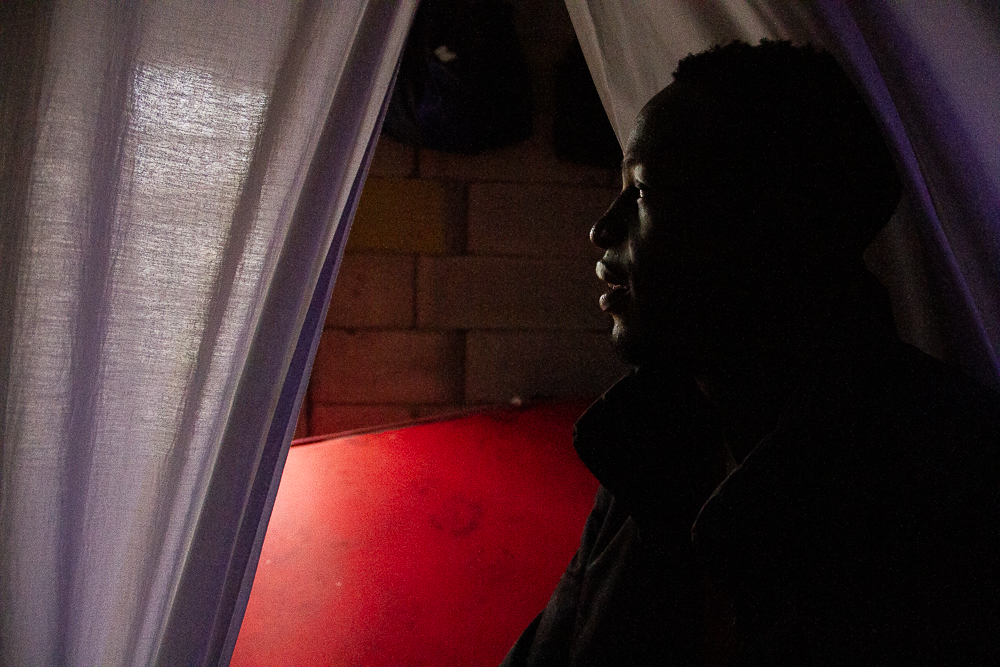
Visual storytelling in marginalized spaces like Kibera and communities such as Wanakolo is fundamentally an act of representation, where choices in framing housing, identity, and belonging either reinforce stereotypes or affirm human dignity.
In preparing this section of the sight, special interests is on how communities find new ways of upgrading informal spaces that are collaborative, productive and sustainable.
By creating an honest, respectful visual archive, we aim to build tangible evidence of systemic neglect alongside the community's persistent survival, offering a record that demands historical accountability.
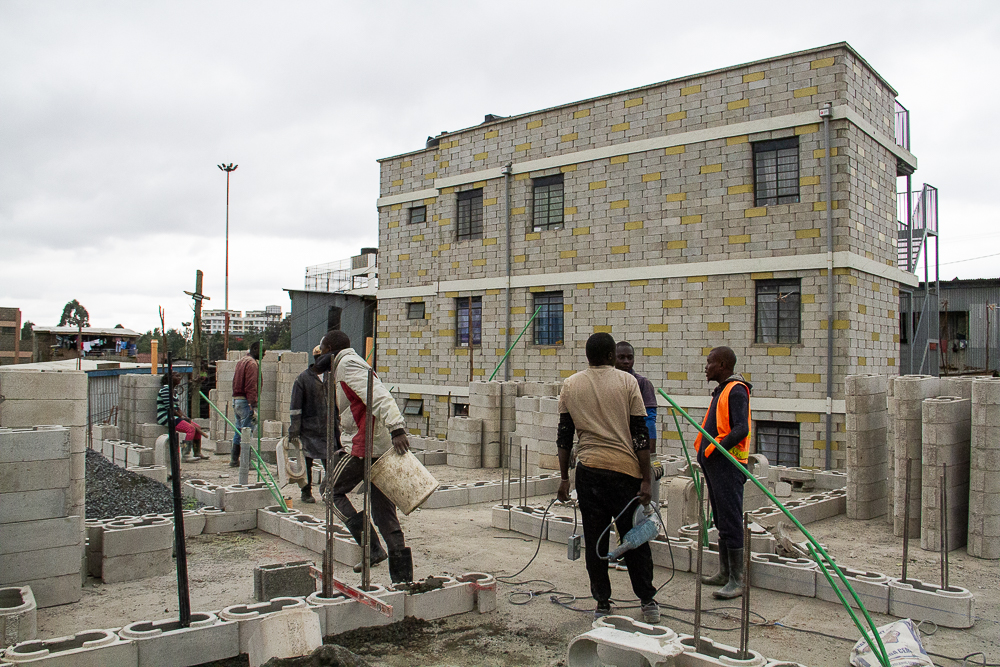
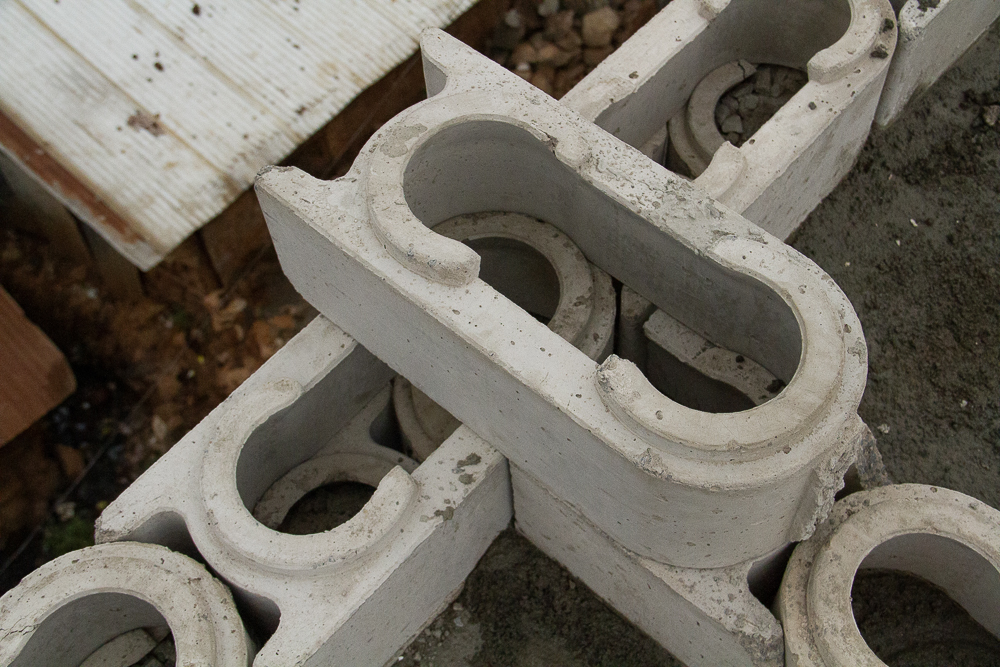
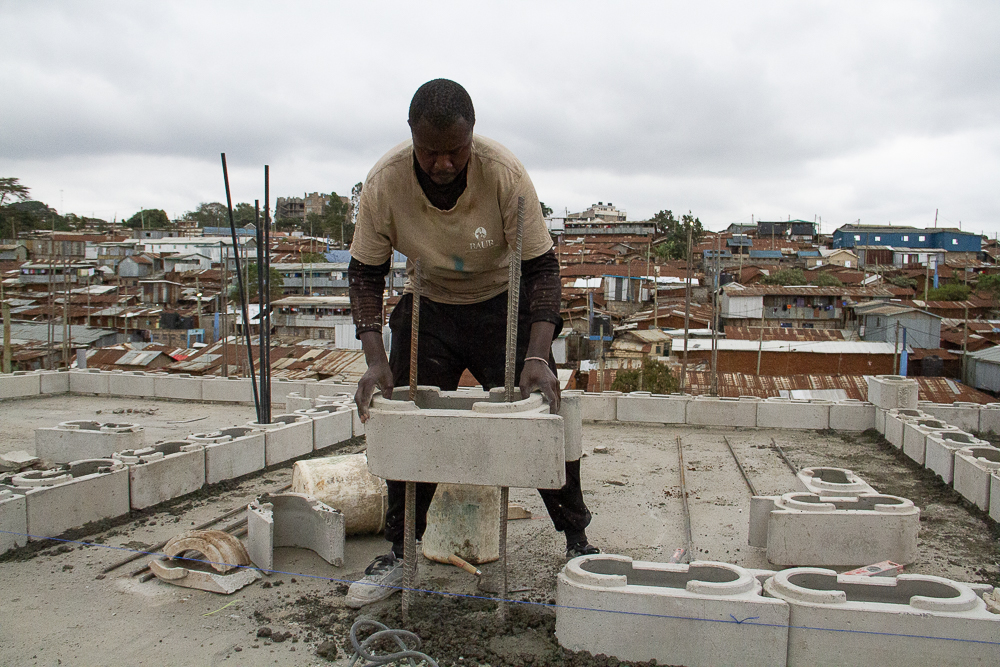
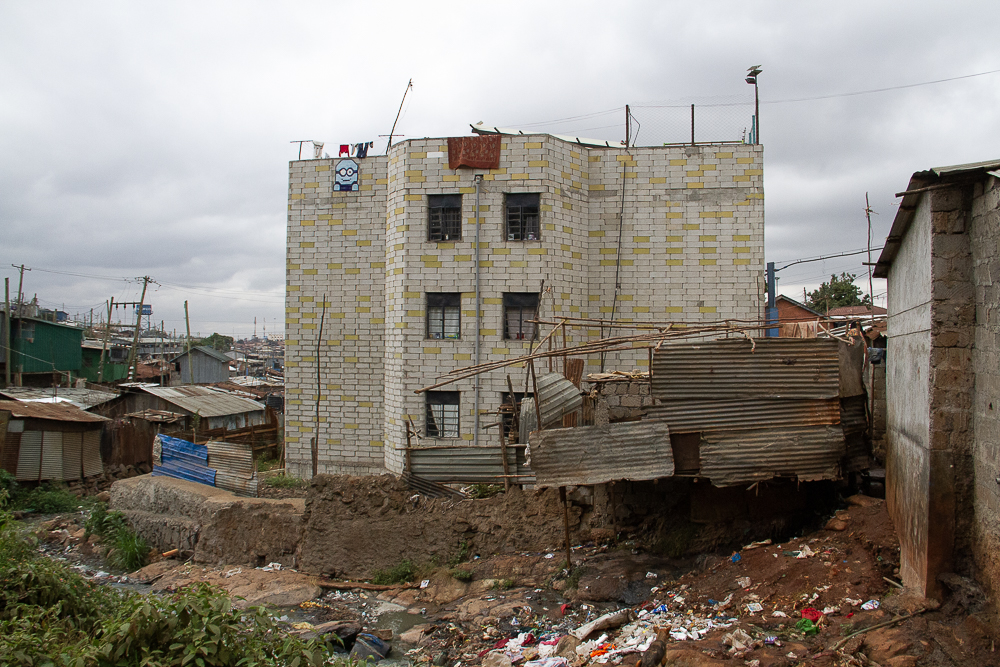
Our first core focus is mapping a profound material transformation happening around our community. By focusing our lenses on the shift from temporary mabati (corrugated iron) structures to permanent TwistBlocks, we want to analyze how this physical upgrade fundamentally shifts how people see us. It is the visual evidence of an informal settlement shedding the derogatory label of a temporary "slum" and claiming its right to be recognized as a permanent, dignified neighborhood.
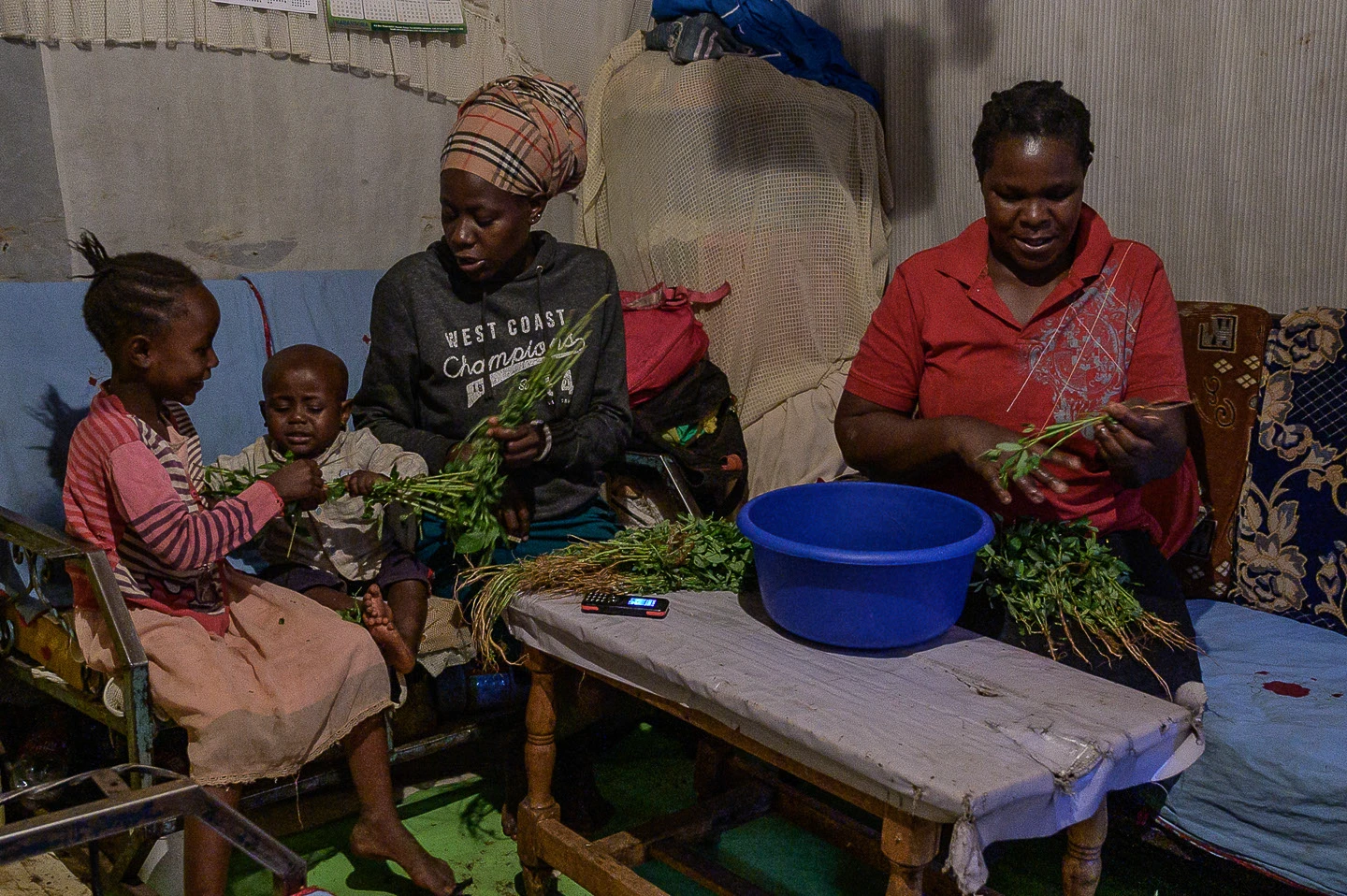
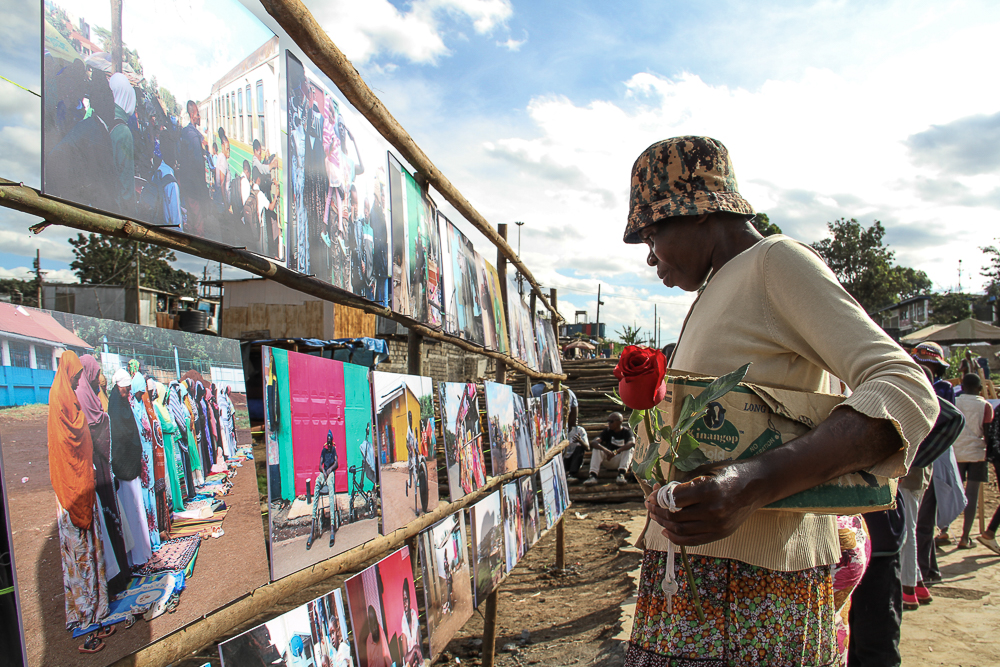
But telling this story requires a deep commitment to the people living it. We are actively drafting practical guidelines for informed consent and collaborative storytelling to ensure that everyone in Wanakolo and Kibera is treated as a true partner rather than a mere subject. Crucially, we are establishing frameworks to share these visual assets directly back with the community, handing over the photos to be used for local grassroots advocacy.