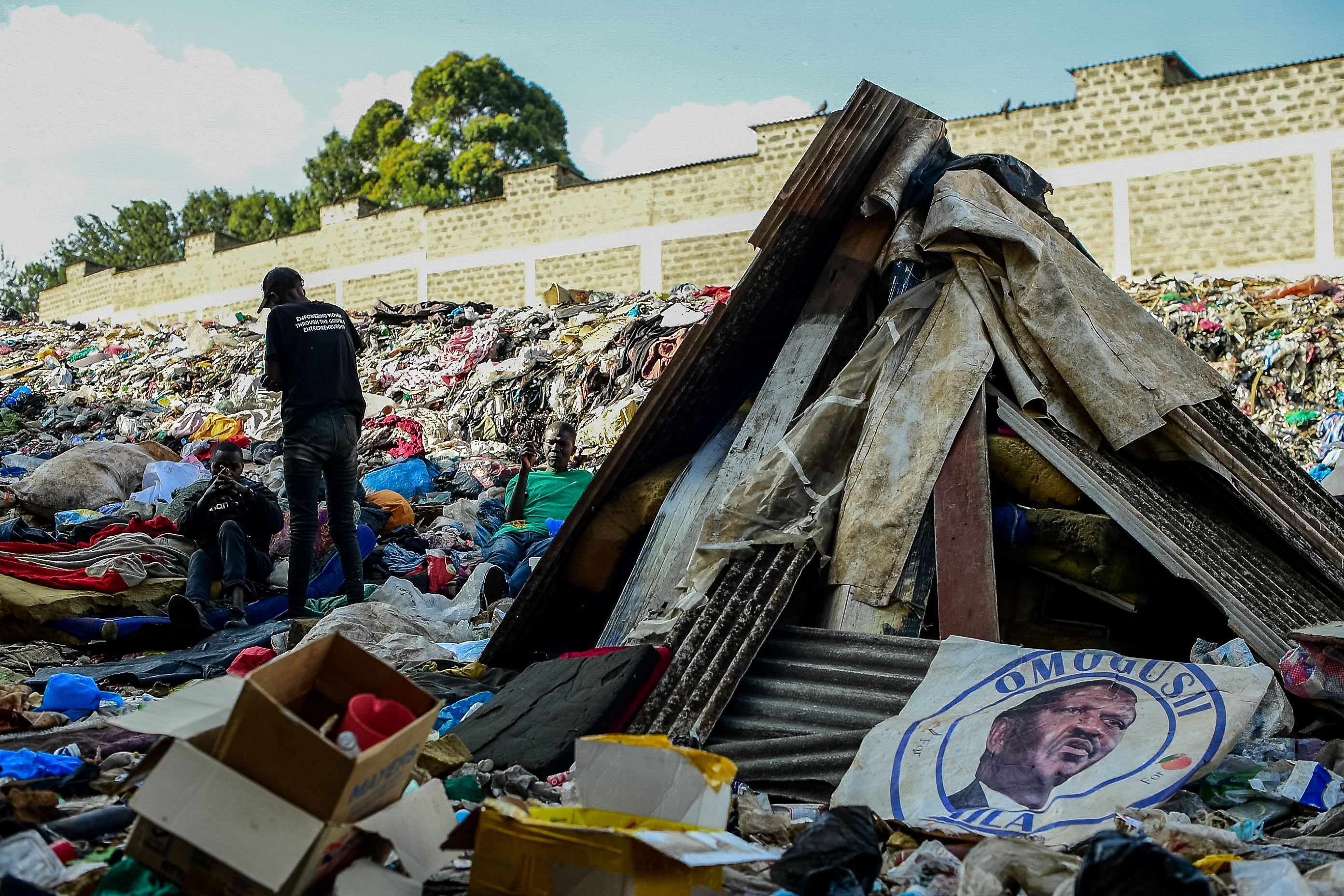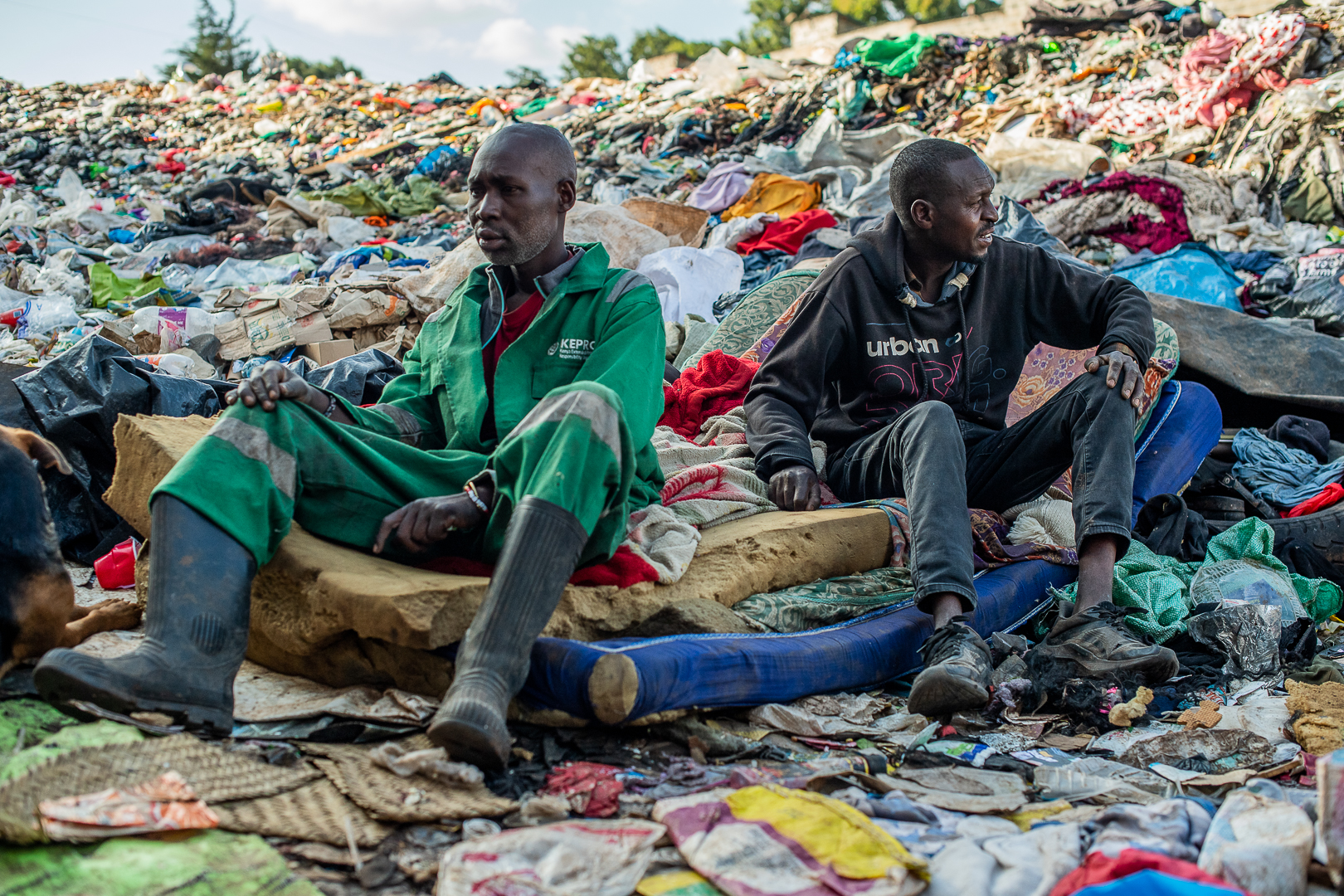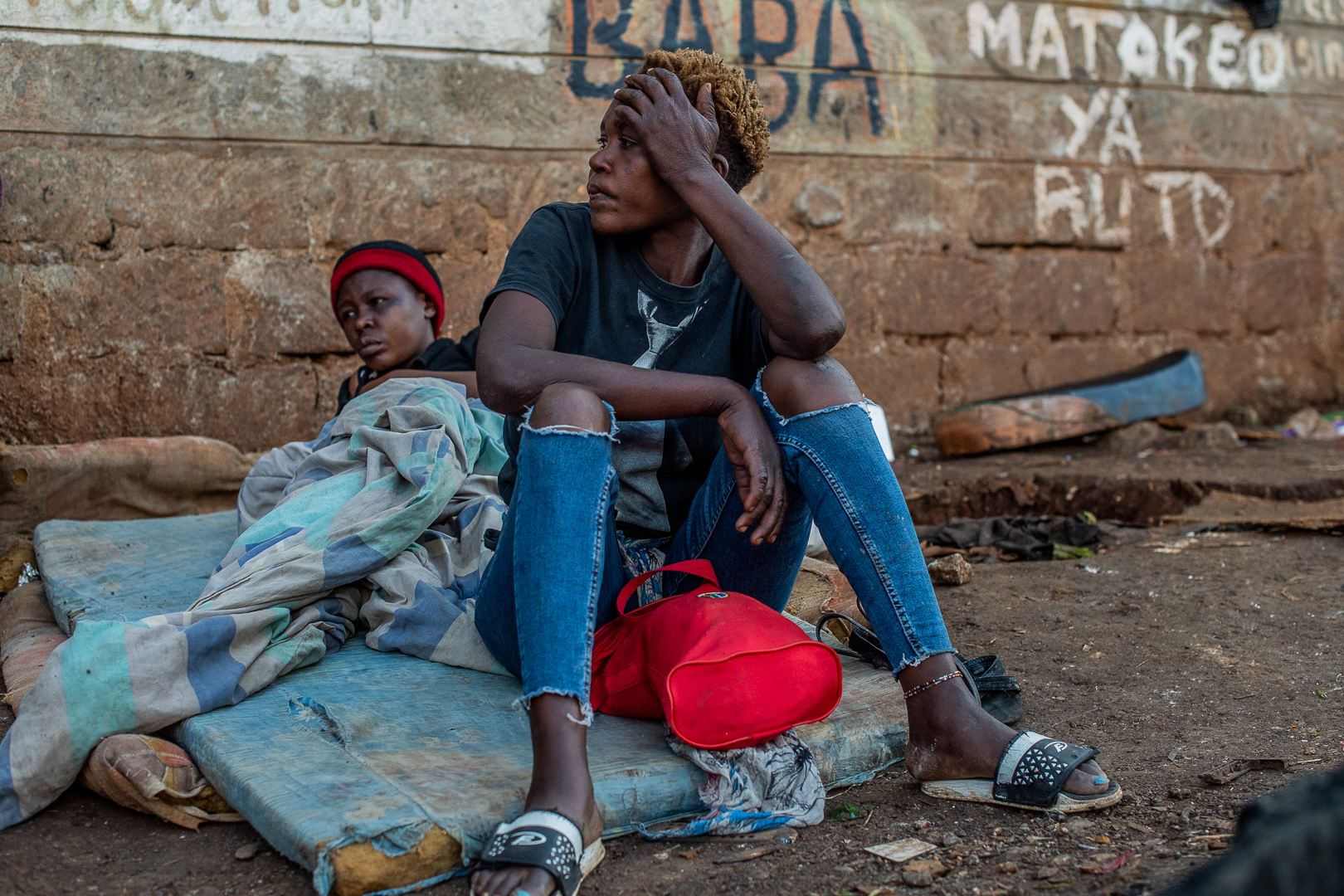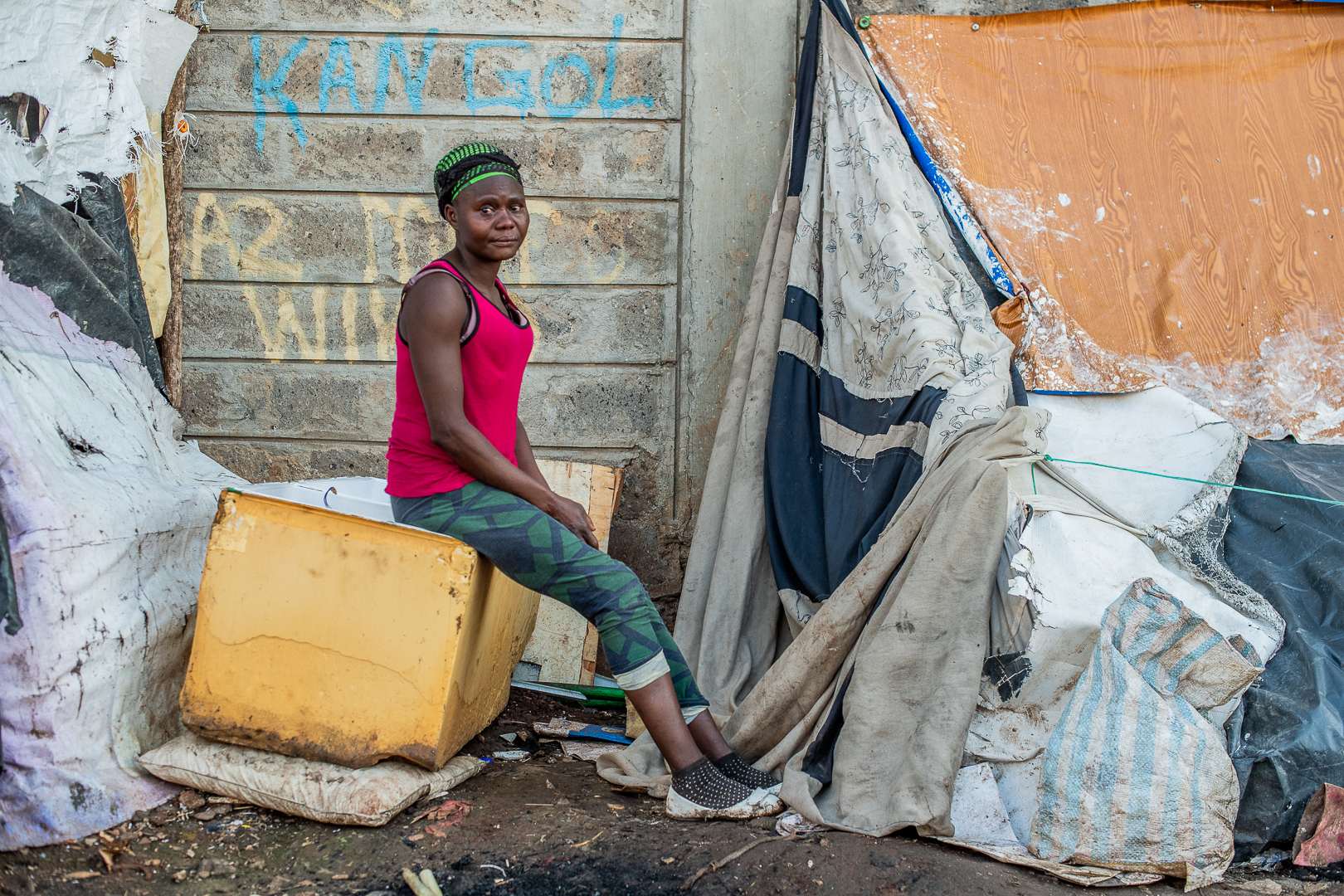
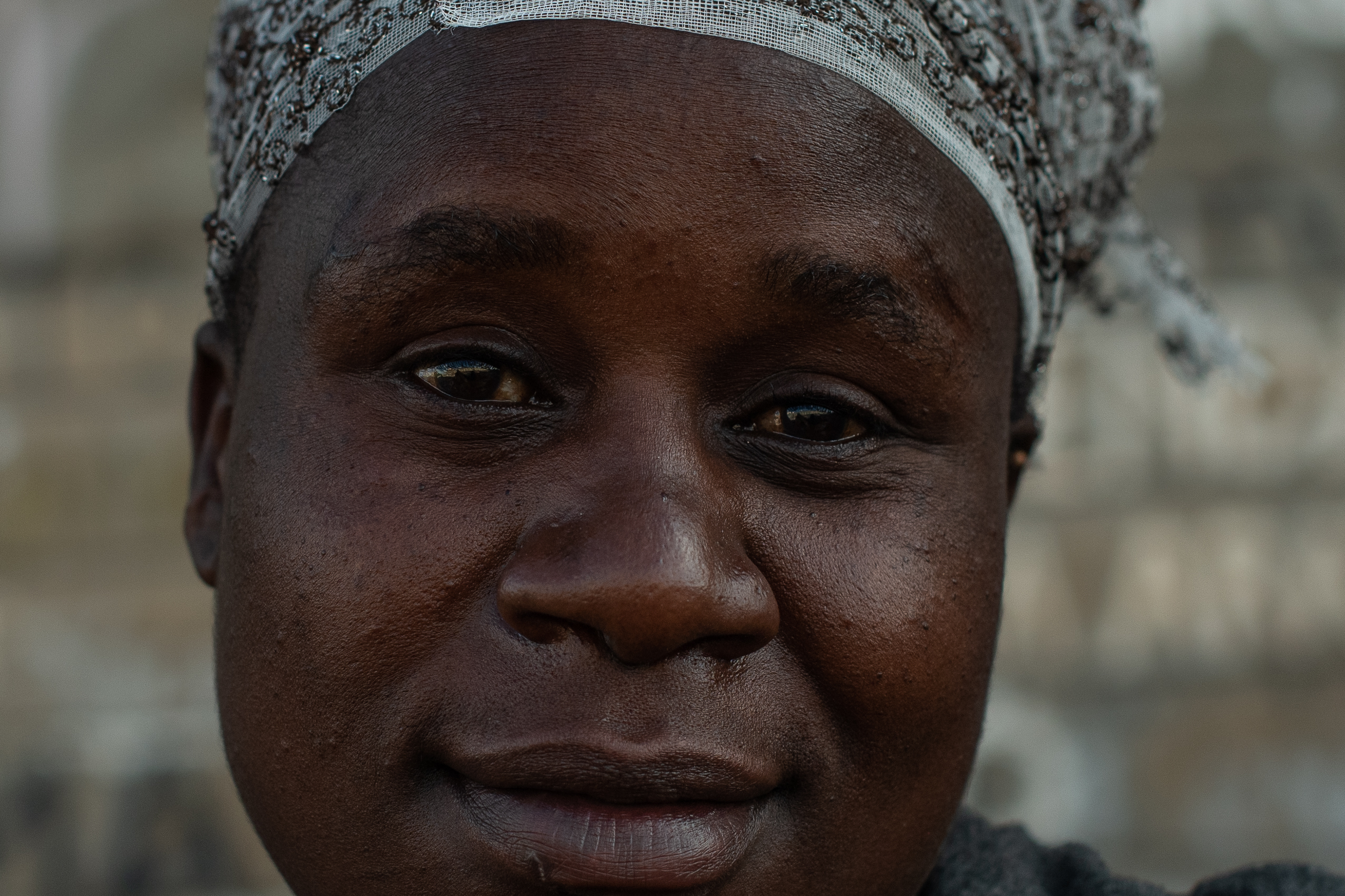
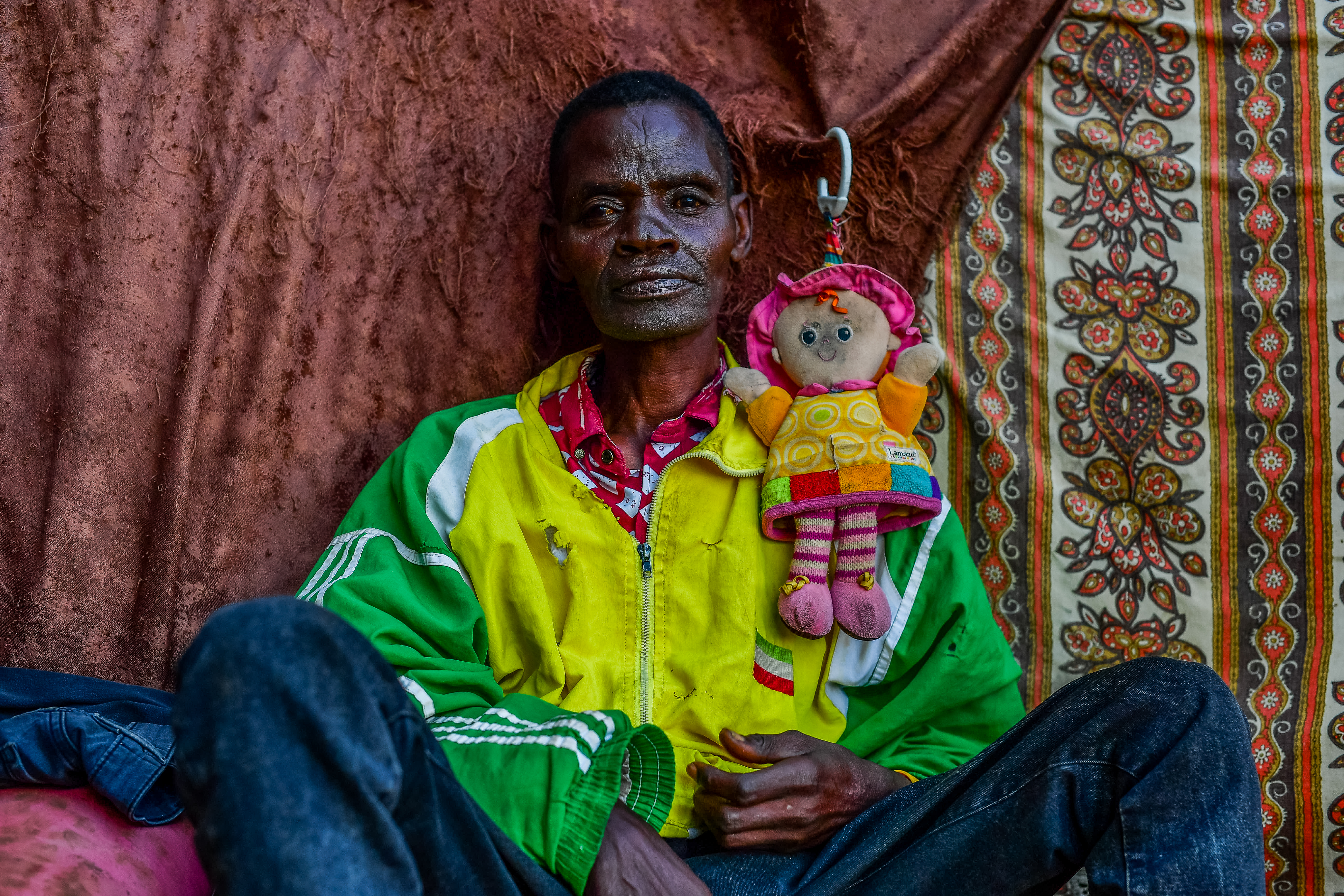
Reflecting on Zito Madu's question regarding recourse for society's marginalized, the disintegration of the Wanakolo community near the Jamhuri Railway Station illustrates the enduring human cost of uncoordinated urban development. The normalization of daily tragedies and the lack of systemic answers regarding homelessness highlight a deep societal resignation that persists without the mobilization seen in other movements. You can read more about archiving and refining personal essays through the Kiberanet Blueprint archive.
Every morning, passing over the railway lines toward the better-looking Jamhuri area feels faulty - especially if you know what lies on the far left side. As I write this, the Wanakolo community is already disintegrated and scattered into various other areas. I want to trace them and see how they navigate these new environments, and this article lays that groundwork. I am spending nearly two years on it.
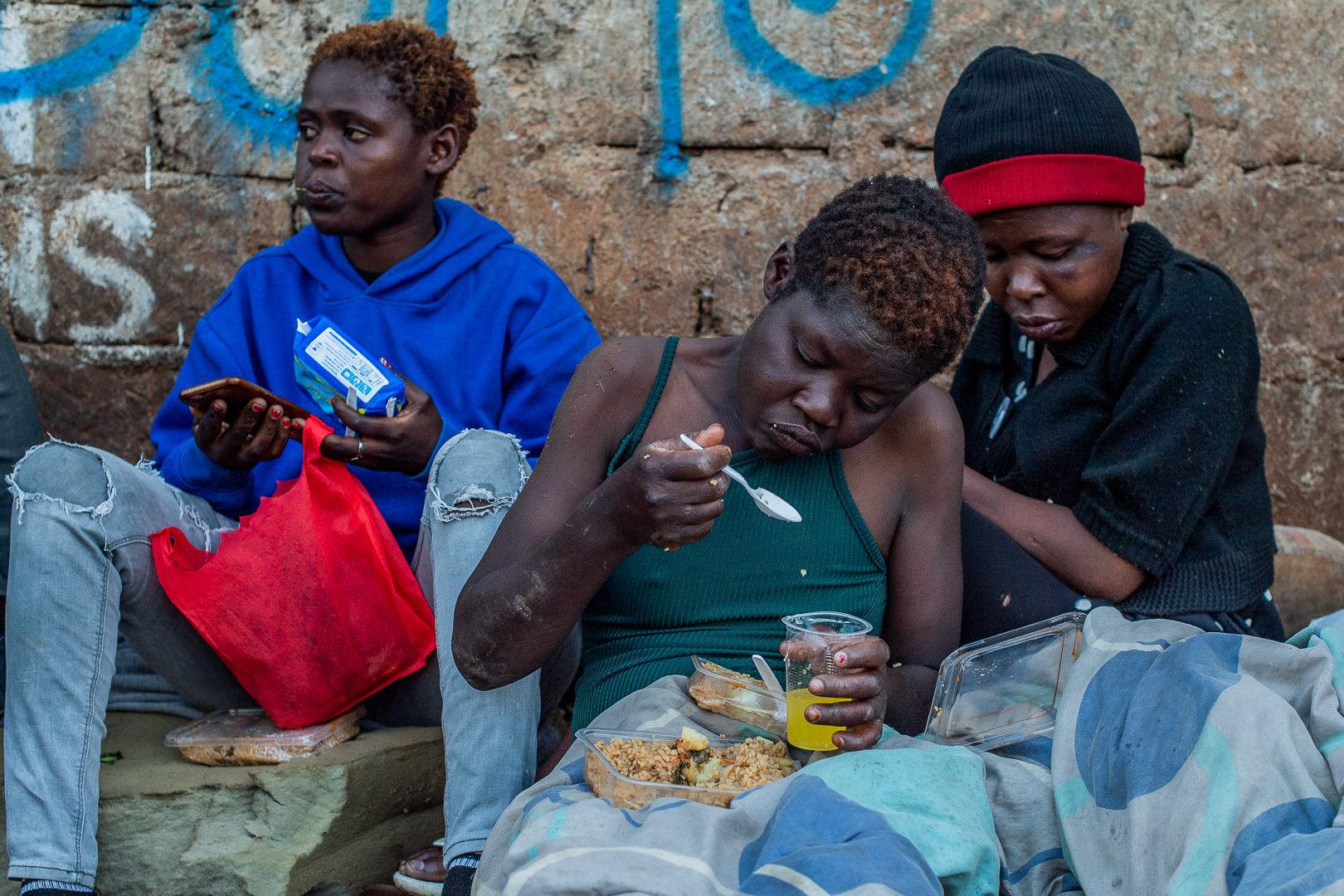
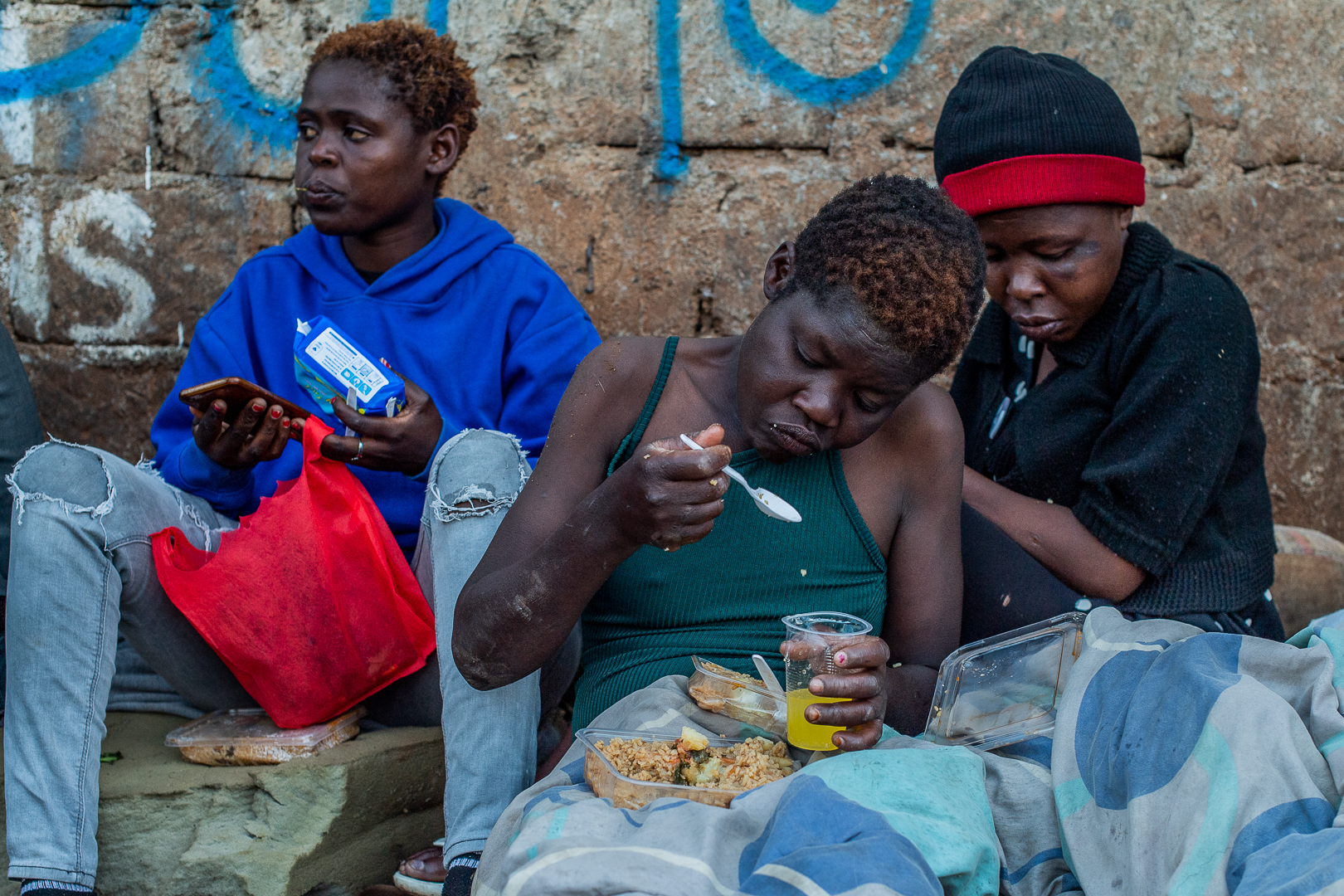
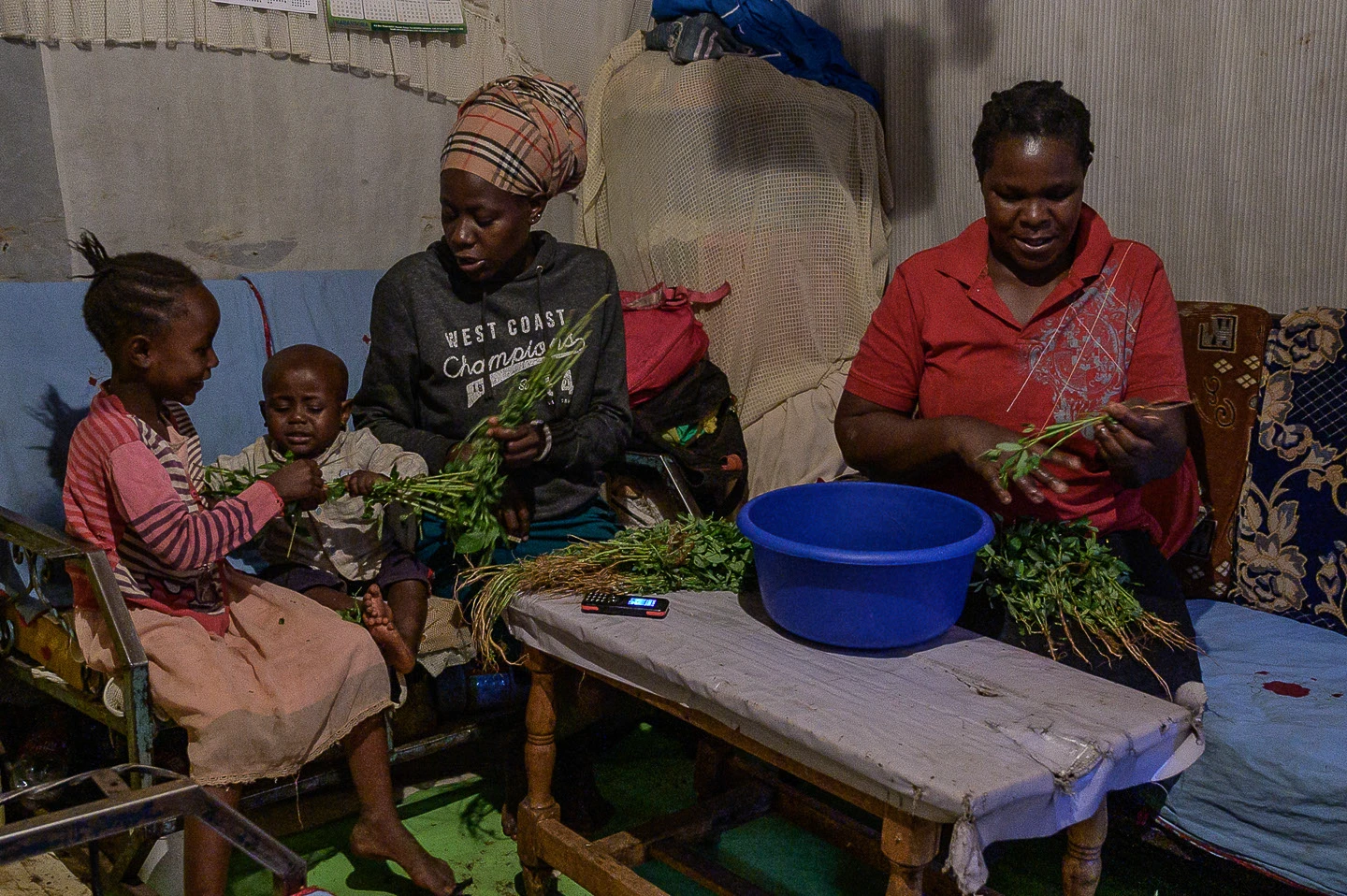
I saw people ready to languish; in the face of tragedy, their ideals had shifted, and they lived their lives completely disregarding any concern for individual or collective economic futures. There is a persistent feeling that there are no clear answers about homelessness, nor any blueprint for how those affected are supposed to behave.
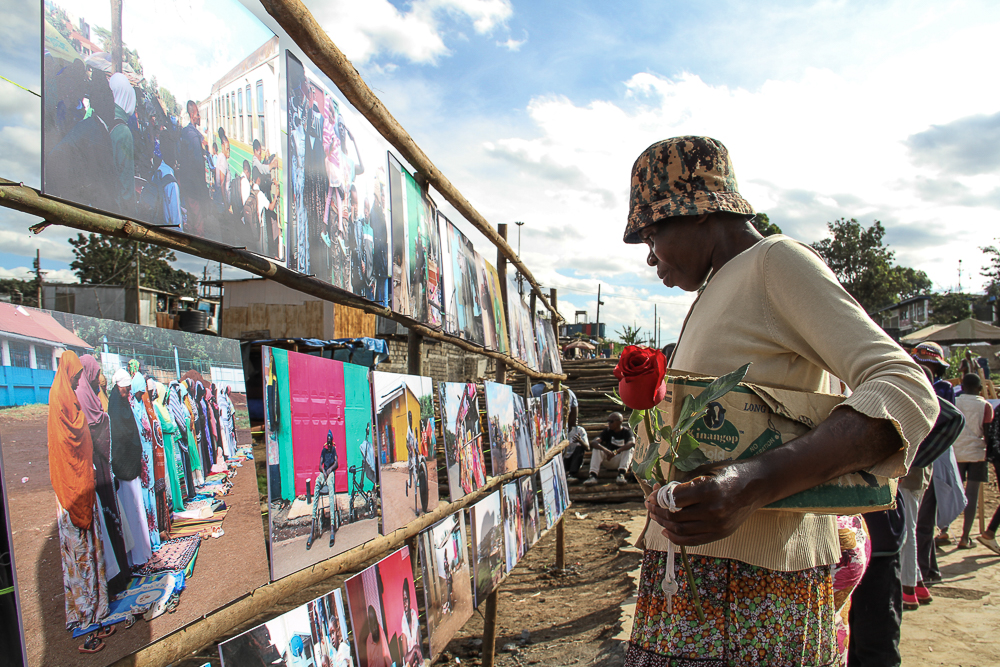
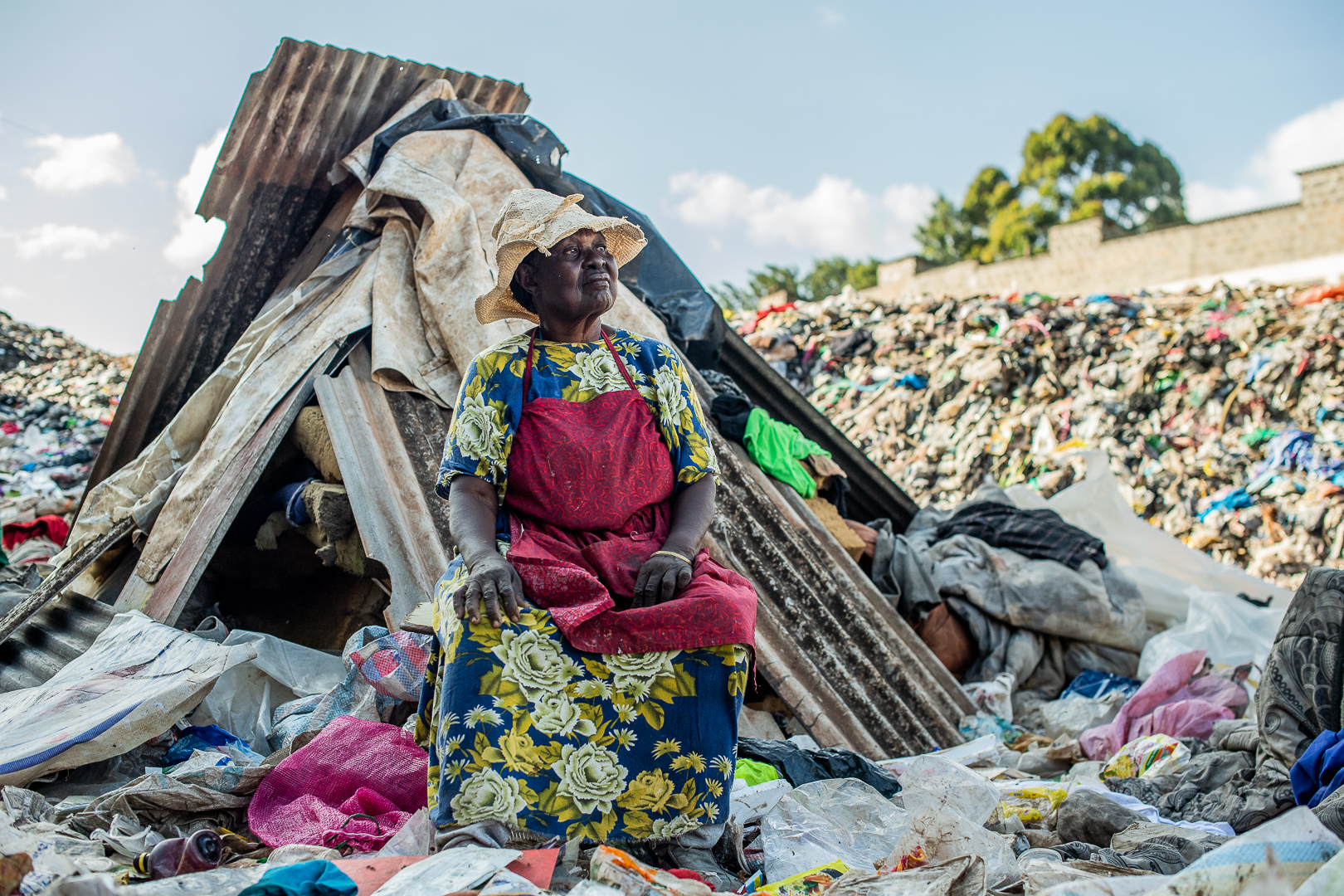
The community had formed gradually after intense demolitions tore through sections of the slum. Homes, local businesses, and community schools were leveled to clear land for urban upgrading projects. Today, located near the Jamhuri Railway Station, Wanakolo stands as a living testament to the human cost of uncoordinated urban development.
It is fraught with a total lack of concern for individual and collective economic futures. The environment no longer feels confident, leaving no clear answers about homelessness and how those affected should navigate it.