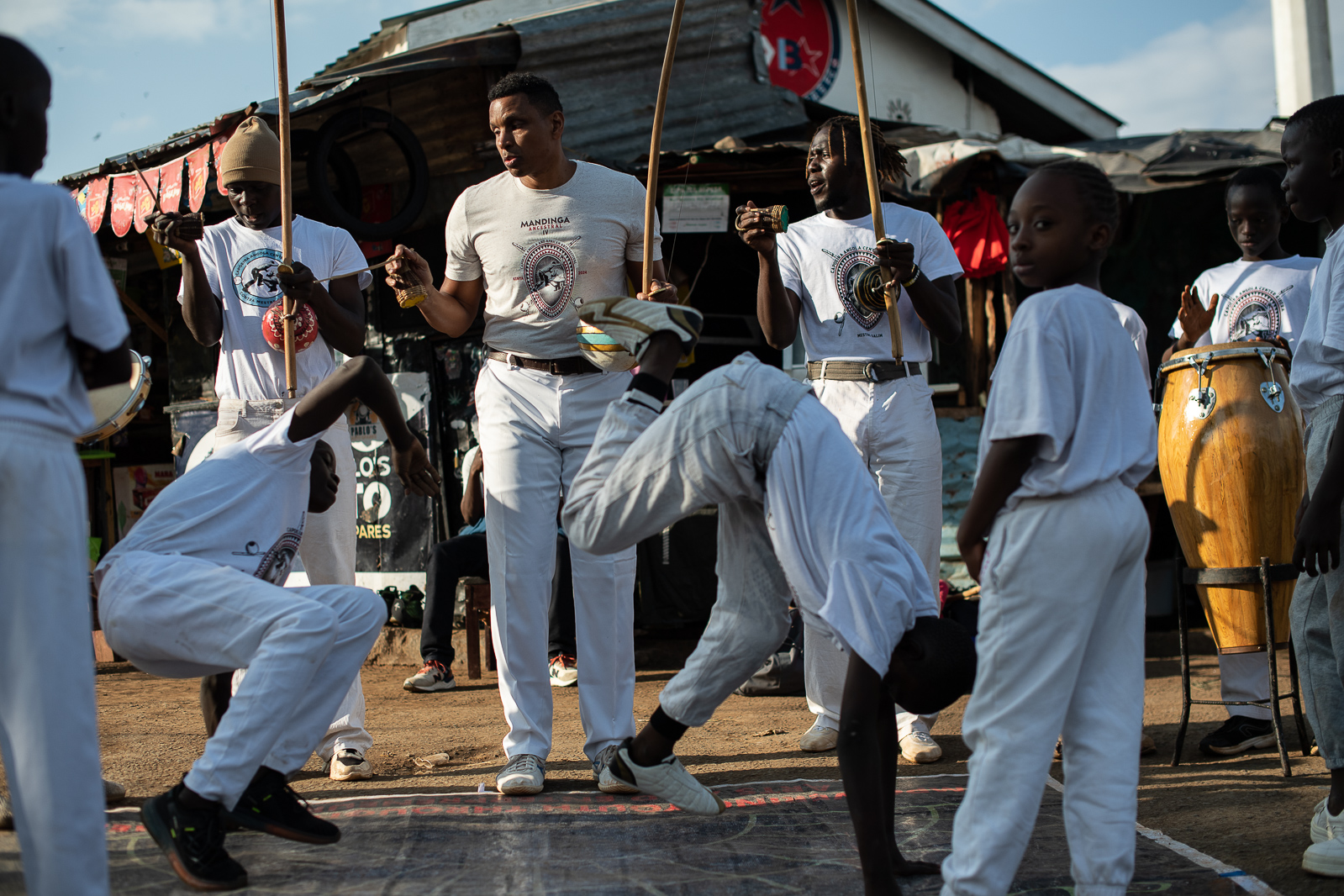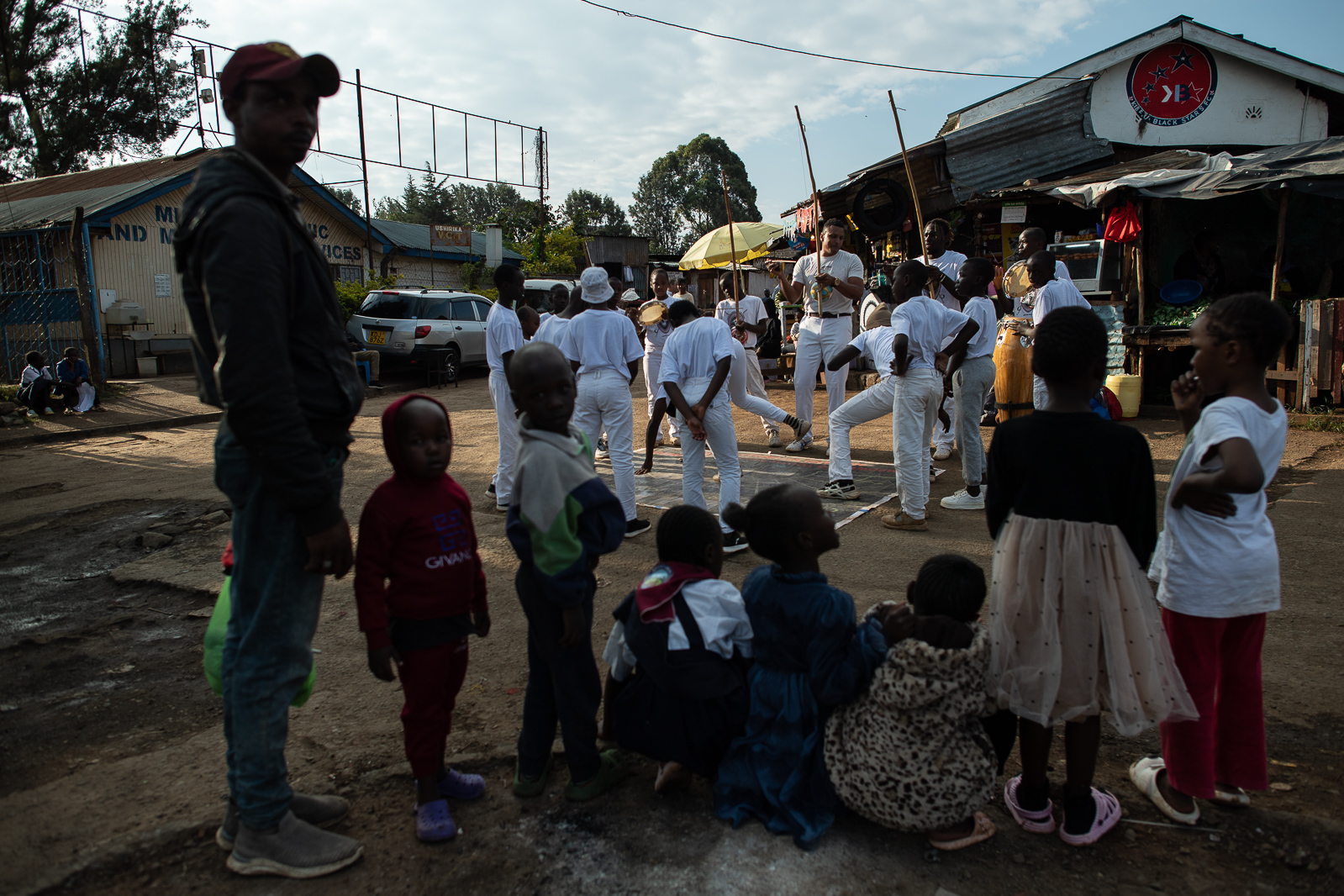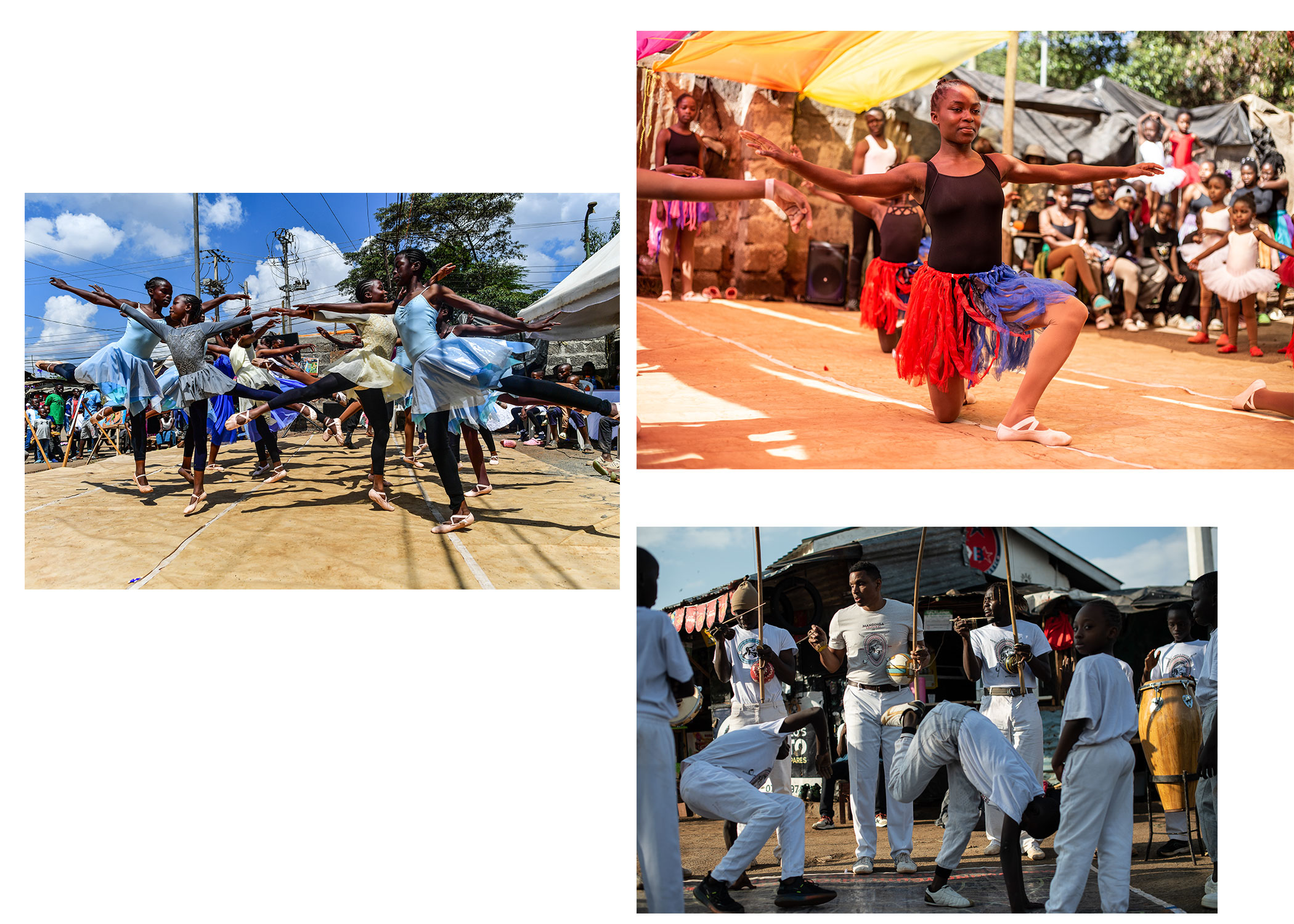
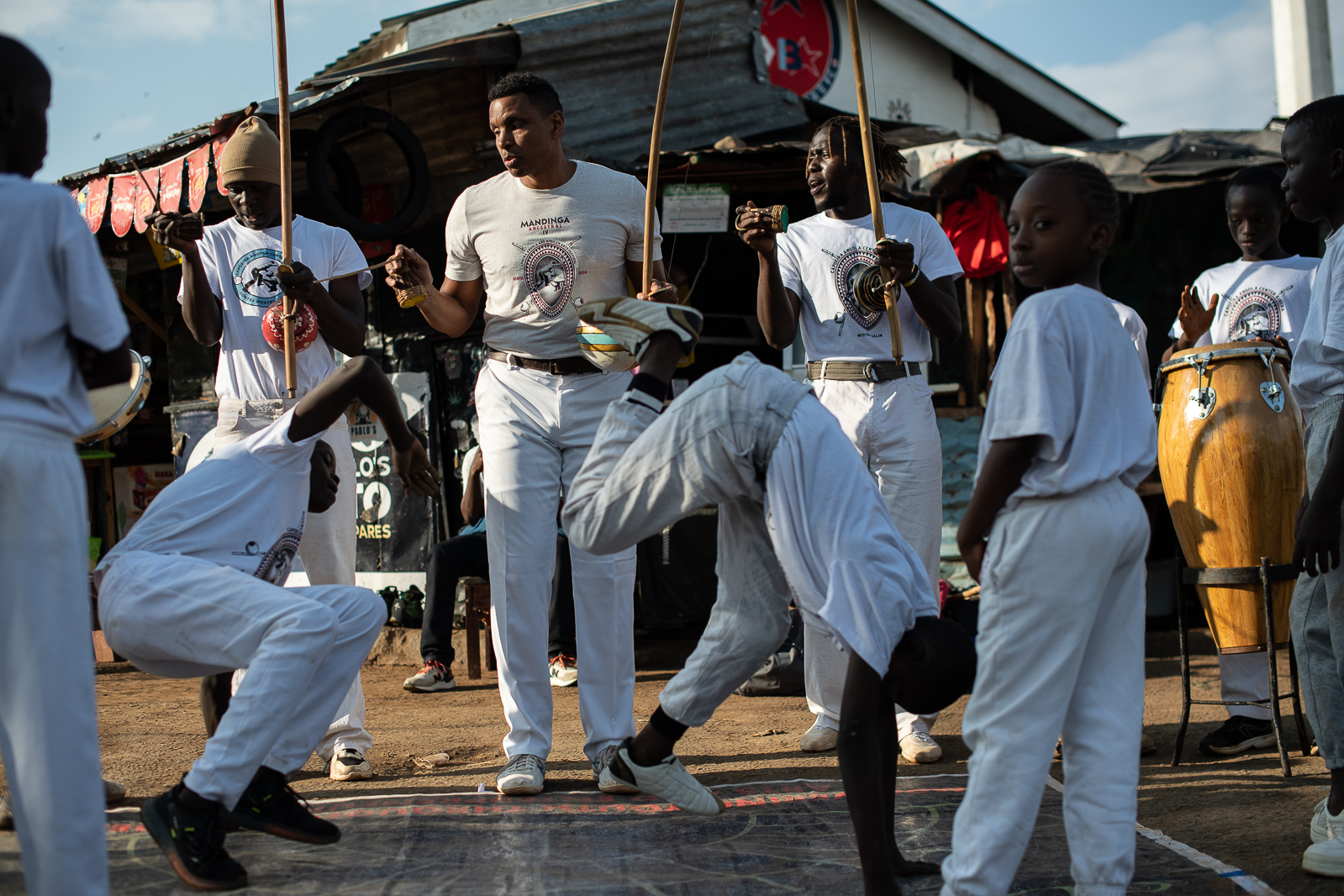
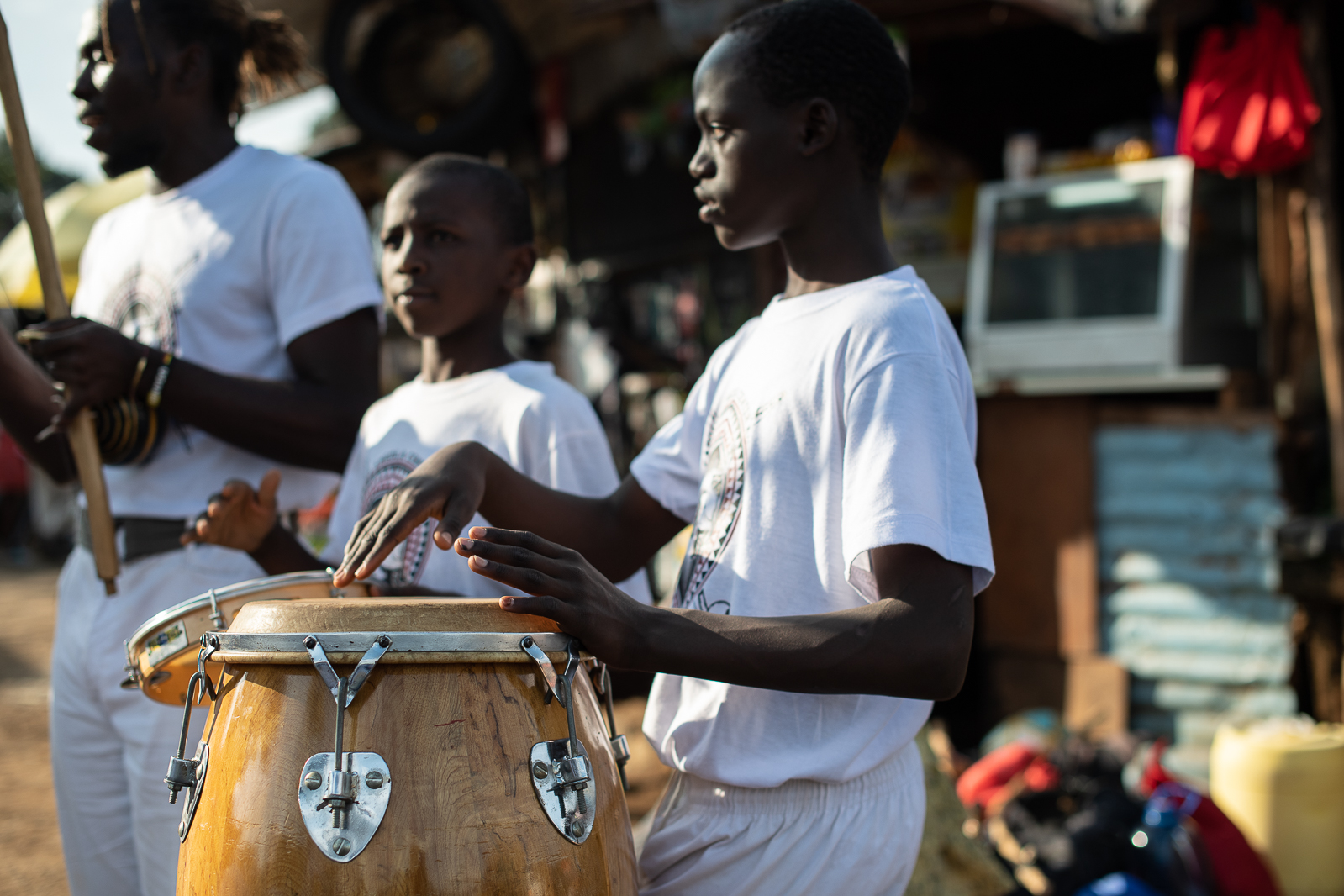
For decades, the narrow alleyways and open spaces of Kibera have pulsed with the rhythms of mostly traditional songs, dancehall, and religious rallies. These forms have long served as the community's natural heartbeat. Today, however, an unexpected shift is taking place. Across the settlement, children and young people are gathering in community halls and school courtyards to practice advanced art forms born oceans away: classical ballet and Capoeira.
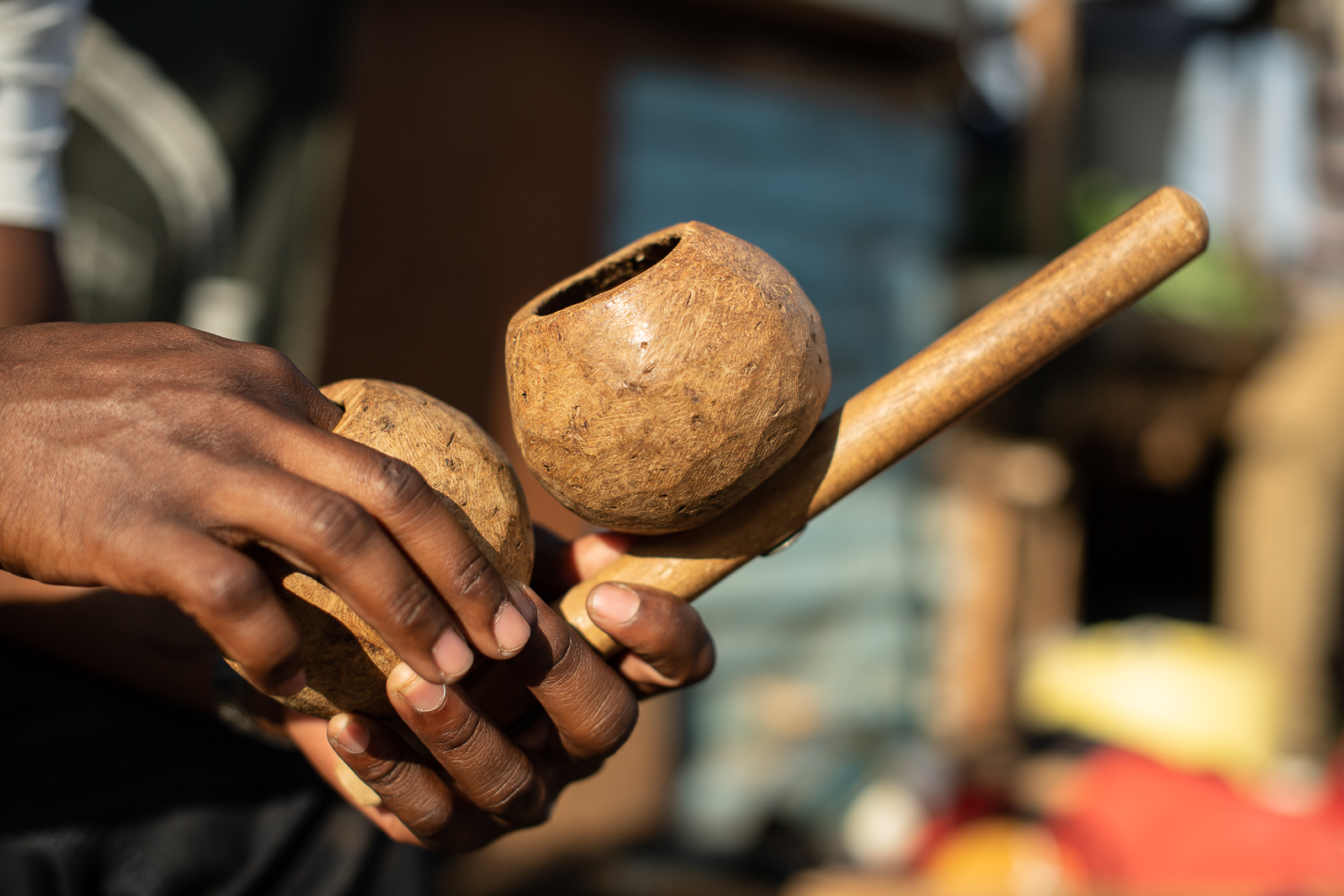
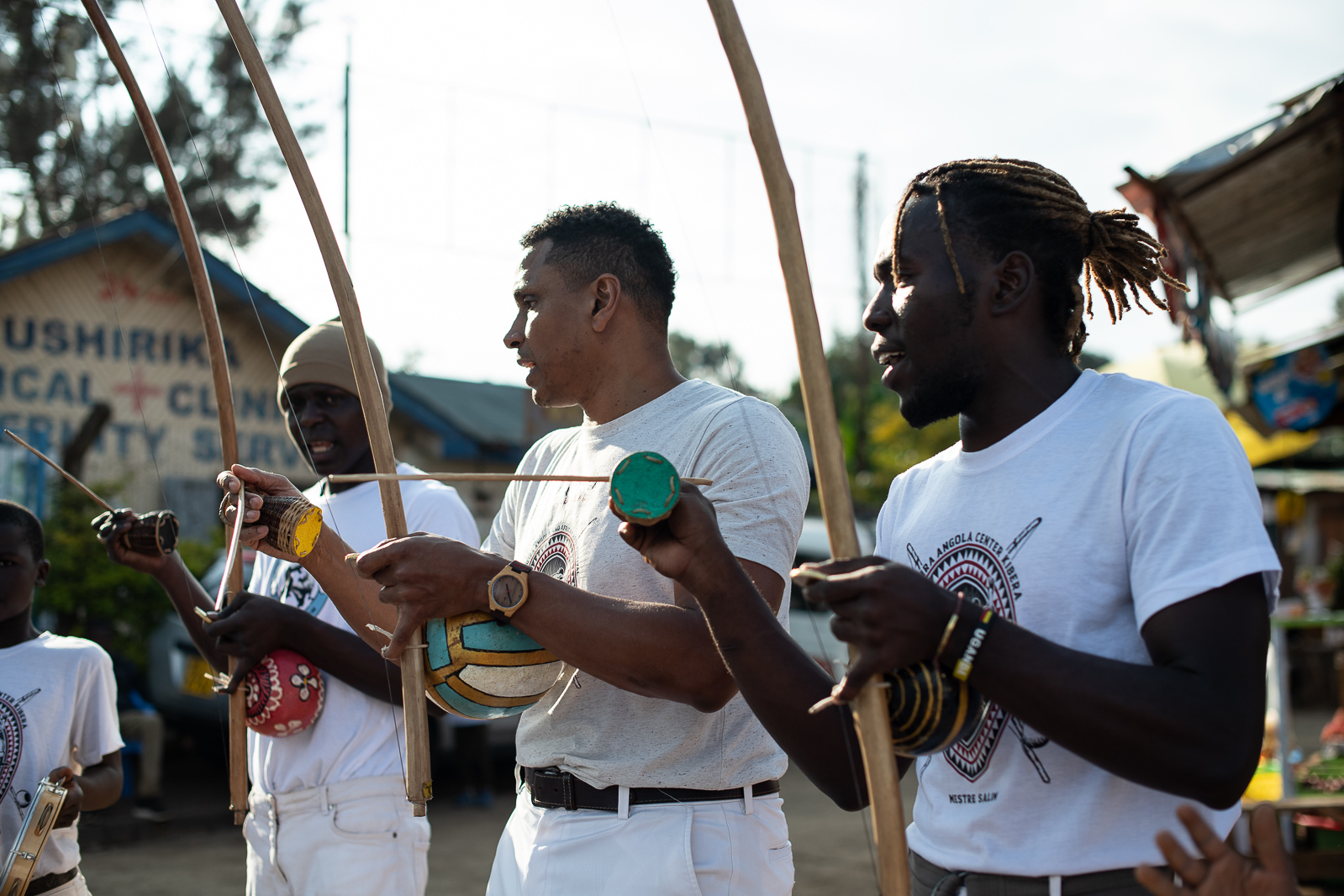
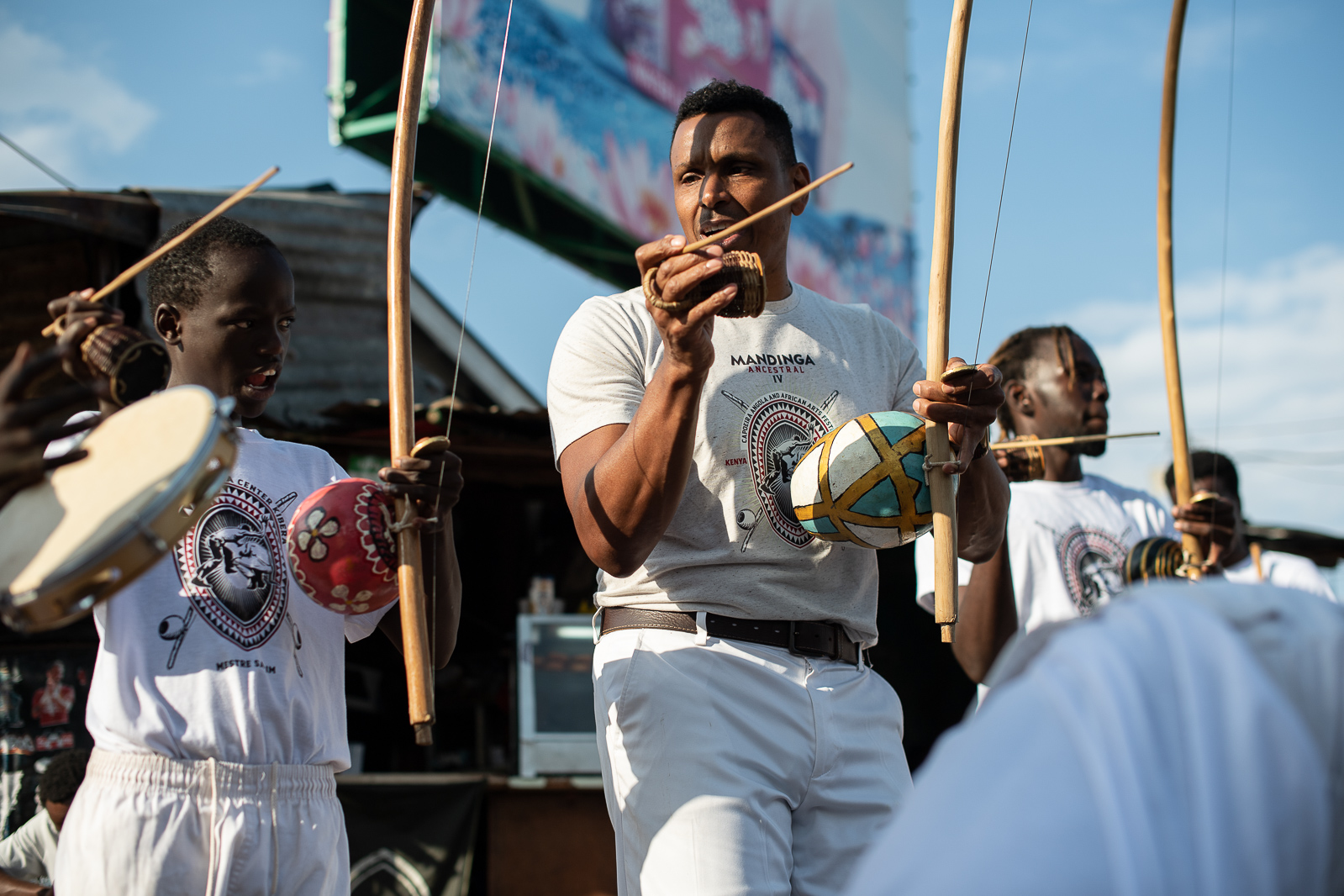
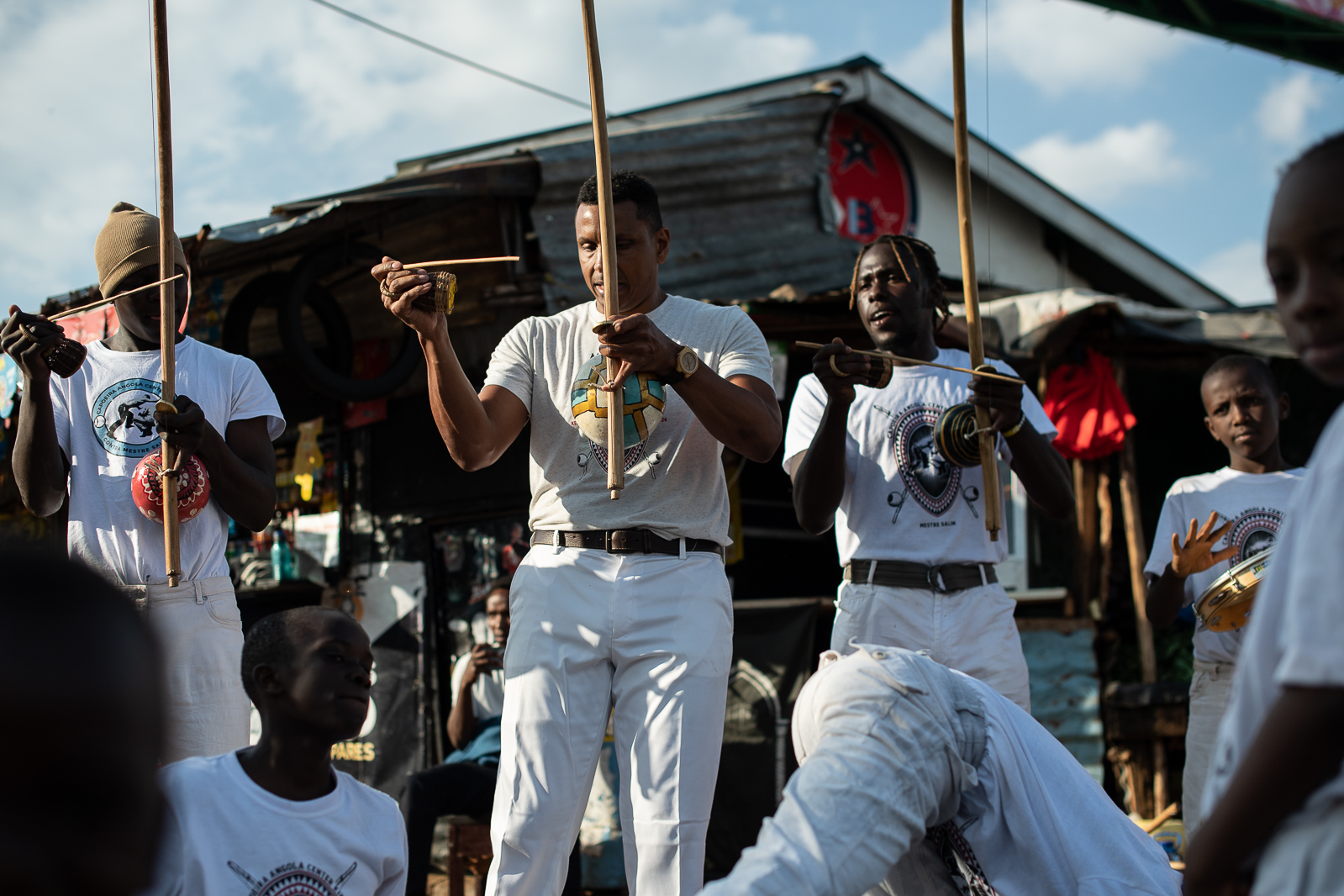
Originating in Brazil, Capoeira is an Afro-Brazilian martial art disguised as a dance. It was created by enslaved Africans as a hidden tool of resistance and liberation. When brought to Kibera, its historical roots resonate deeply with the daily struggles of young people navigating urban precarity.
The practice of Capoeira Angola within the informal settlement of Kibera offers a profound lens into systemic cultural reclamation, transatlantic memory mapping, and spatial resistance. Historically conceptualized by enslaved Central and West African populations in colonial Brazil as a weaponized dance of liberation, Capoeira operates as a closed feedback loop of cultural return when practiced in contemporary Nairobi.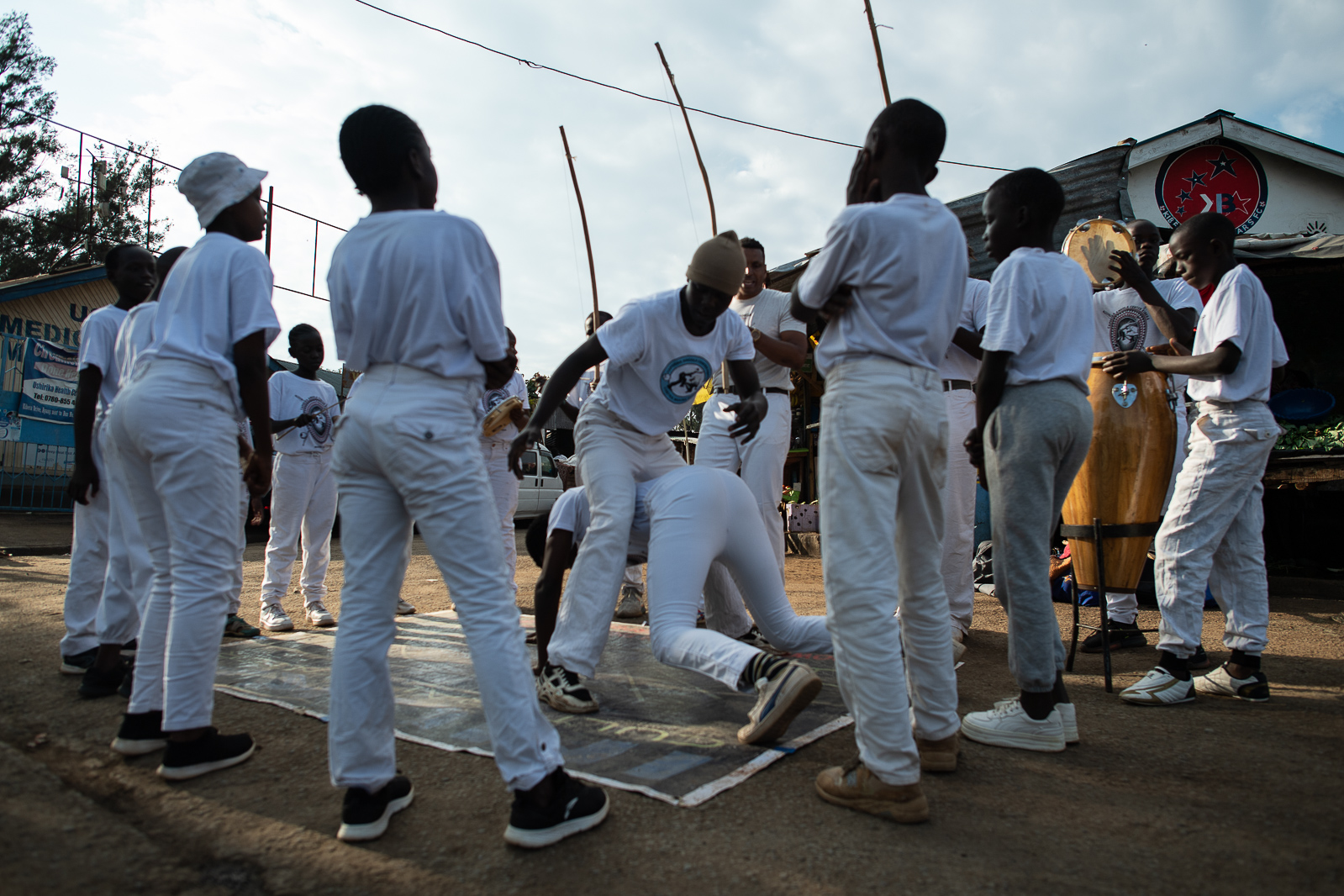
The intense focus required to master a pirouette or maintain perfect alignement instils a deep sense of psychological fortitude. Dancers learn that progress is the result of patience and repetitive, hard work - a lesson that translates directly into their schoolwork and personal goals.
Ballet breaks down rigid class barriers. It shows young Kiberans that they belong in spaces historically reserved for the privileged. For many, it has unlocked pathways out of the settlement, leading to international scholarships, performances on national stages, and opportunities to become certified instructors.
Seeing a child from Kibera perform classical ballet reframes how the outside world views the community. It shifts the narrative from one of systemic poverty to one of immense talent, elegance, and untapped potential.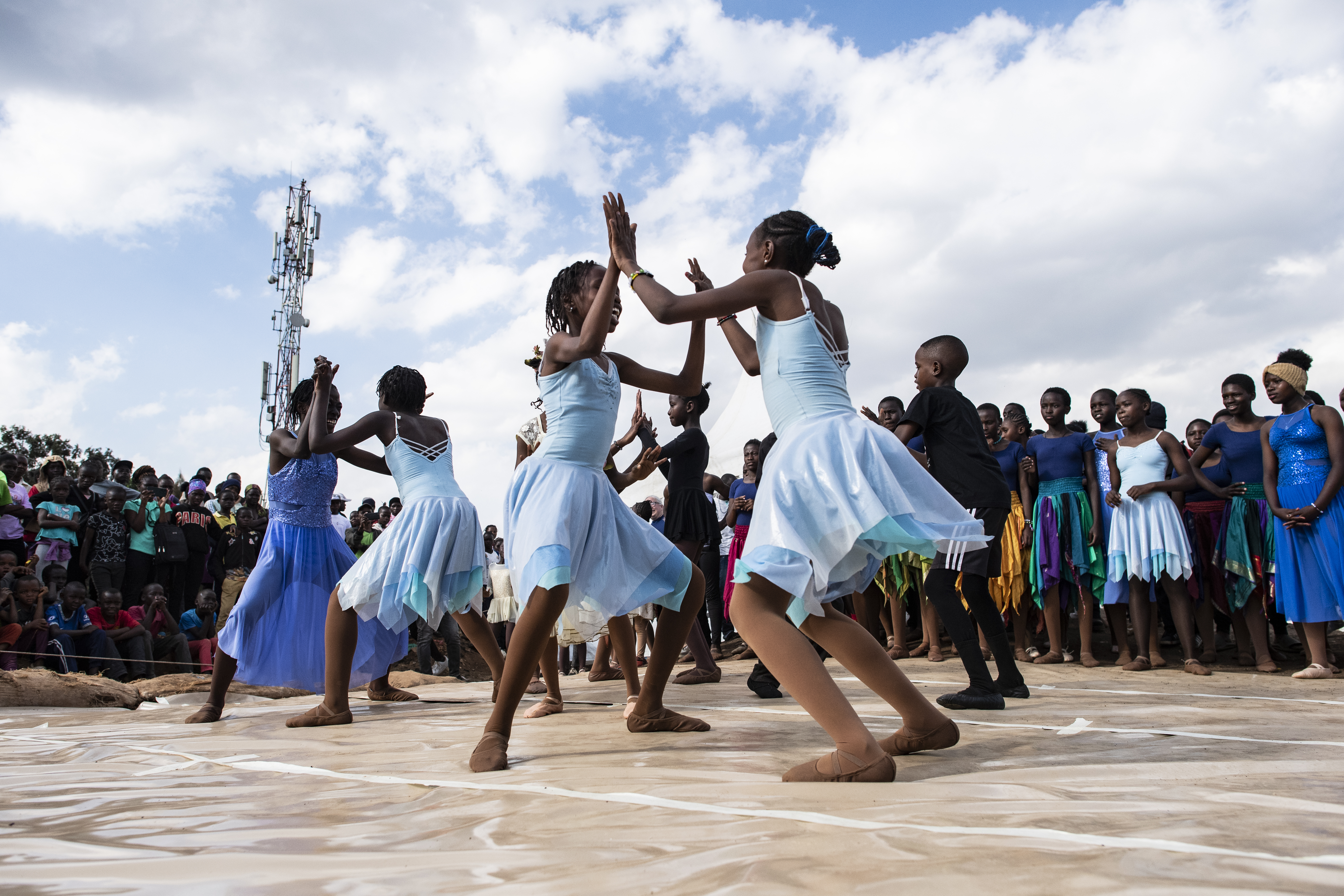
By introducing these non-traditional movements, community leaders are offering the youth a new vocabulary for their lives. These dances provide physical fitness, protect mental health, and spark essential conversations about identity and belonging. In a rapidly changing urban landscape where open spaces are disappearing, safeguarding these creative safe havens is vital. They ensure that the next generation of Kiberans can continue to grow, heal, and leap toward a brighter future.
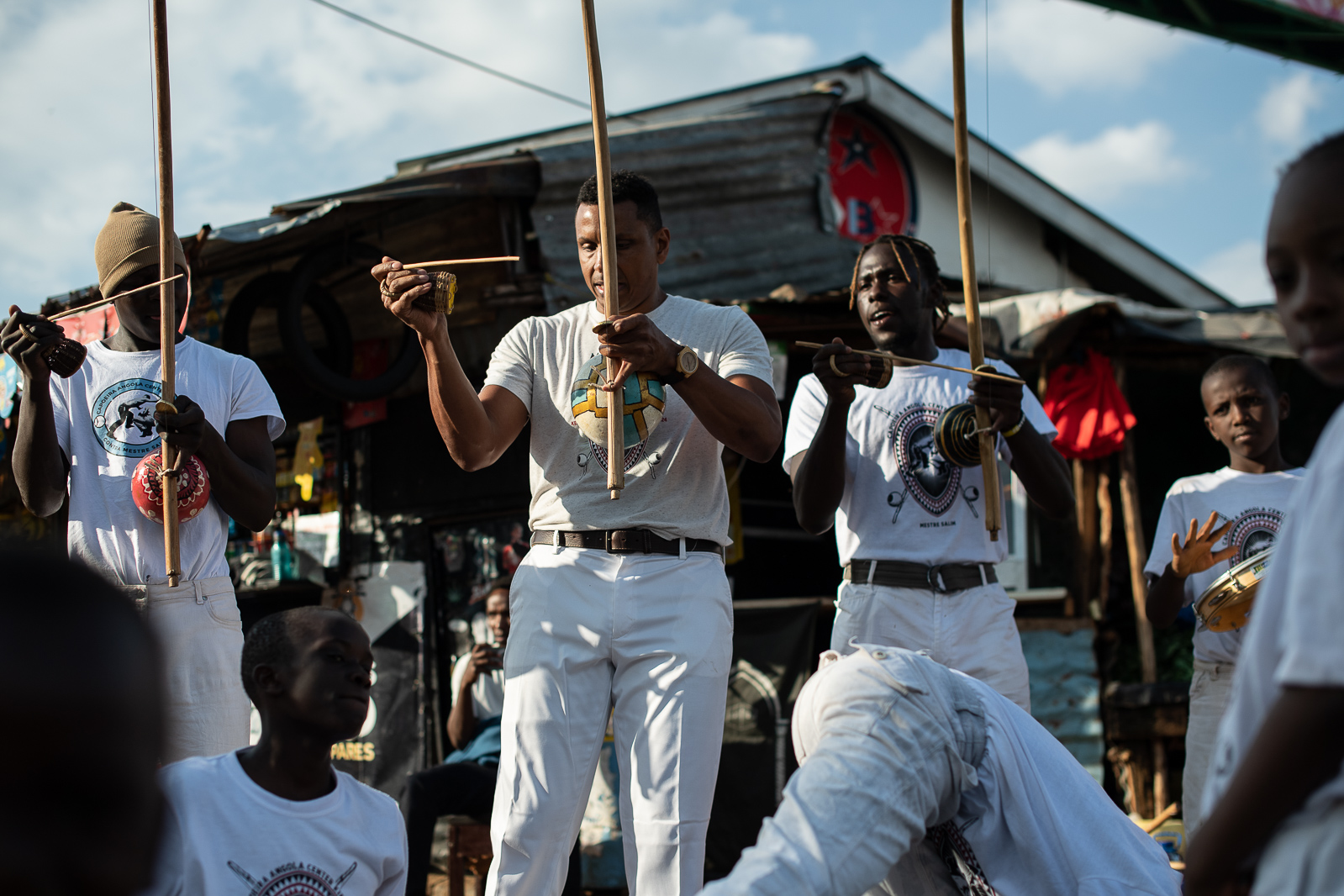
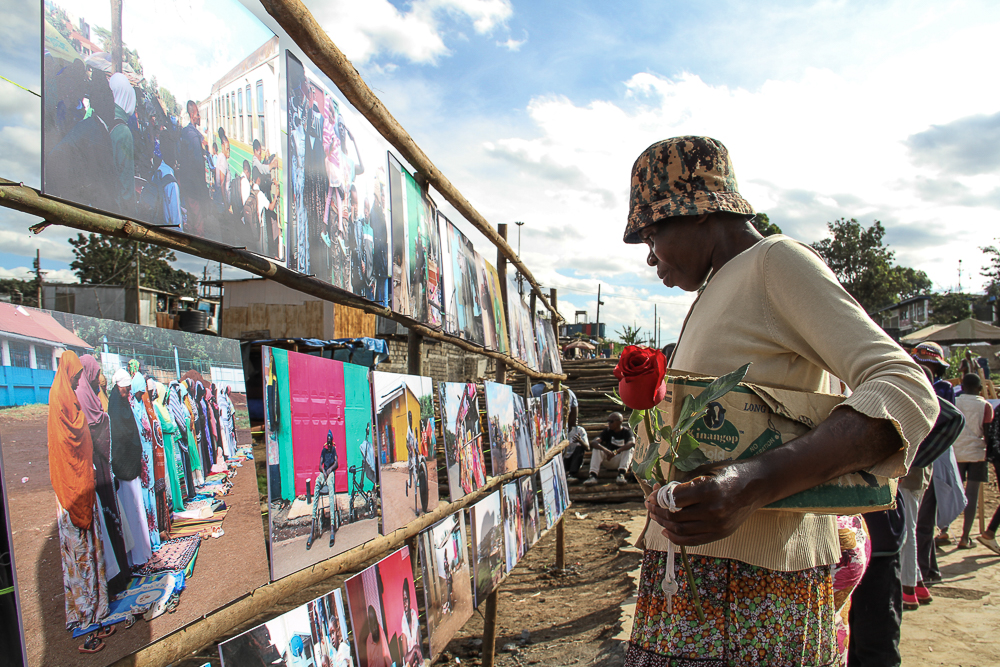
Much like local street photography movements that intentionally flip the camera lens to dismantle extractive narratives, the dancers and capoeiristas of Kibera use their art to redefine how their neighborhood is understood. By establishing their own spaces of expression outside affluent commercial districts, they remove traditional gatekeepers and permanently alter the cultural memory of the city, proving that the body remains one of the most powerful tools for political and social self-determination.